Purchasing a home is not only a place to live but also an investment. Home buyers often consider the potential resale value as part of their decision-making process, ensuring that their investment can yield profitable returns in the future. Here are some key factors to assess when evaluating a home's resale potential.
Location, Location, Location
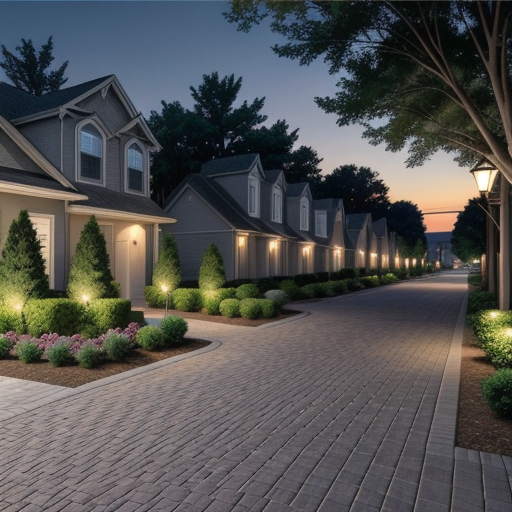
The age-old adage in real estate holds true: location is paramount. Homes situated in desirable neighborhoods tend to appreciate more significantly. Consider the home's proximity to essential amenities such as schools, shopping centers, public transportation, and parks. Additionally, assess the neighborhood's safety and overall reputation. A home in a rapidly developing area may also offer excellent resale prospects as infrastructure and amenities improve over time.
Market Trends
Examine the current real estate market trends in the area. Is it a buyer's or seller's market? Understanding the market dynamics can provide insights into the potential appreciation of the property. Analyzing recent sales data in the neighborhood can offer a glimpse into how quickly homes are appreciating and their price volatility.
Home Condition and Age
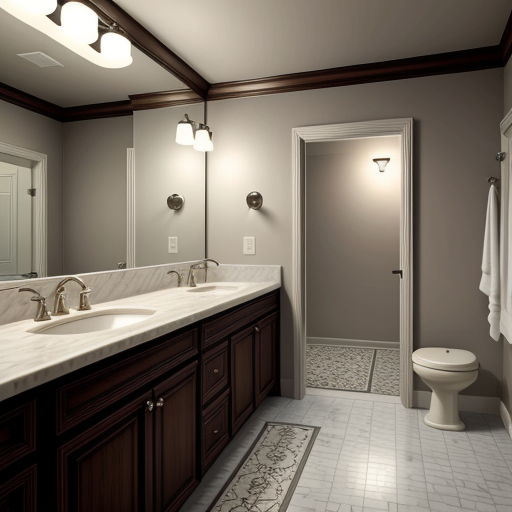
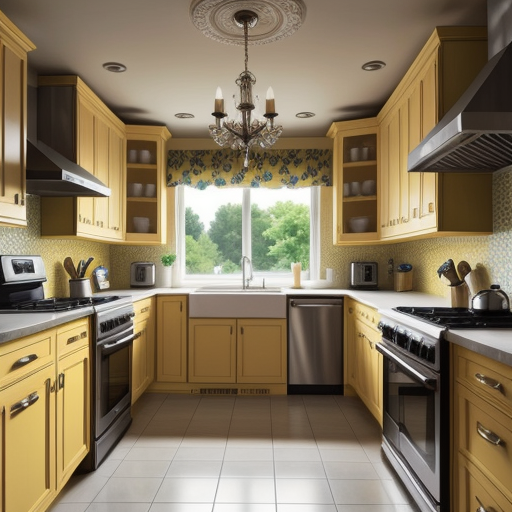
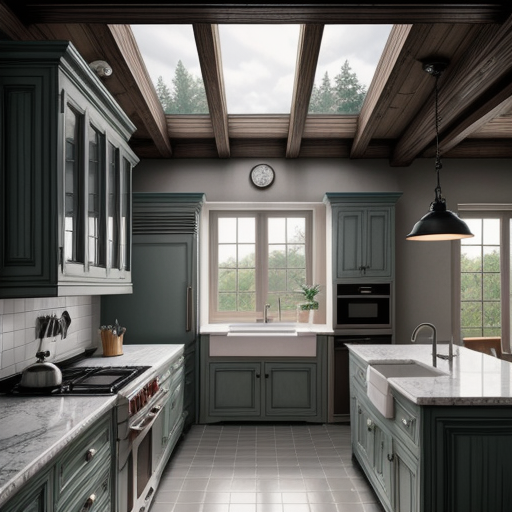
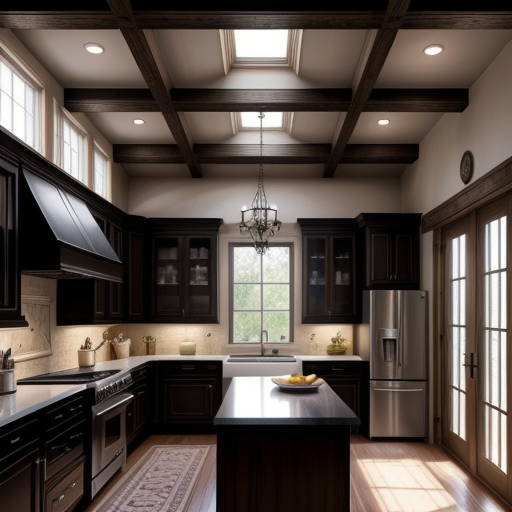
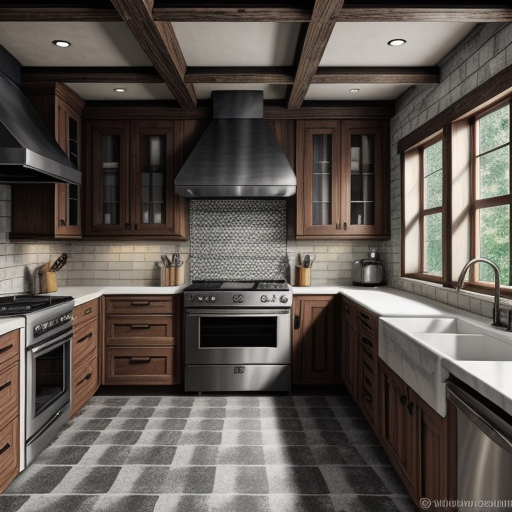
The condition and age of the home significantly impact its resale value. Buyers generally prefer homes that require minimal repairs and are move-in ready. Updates to key areas like the kitchen and bathrooms can increase a home's appeal. Also, consider any structural elements that might need attending and the home's major systems such as HVAC, plumbing, and electrical.
Curb Appeal
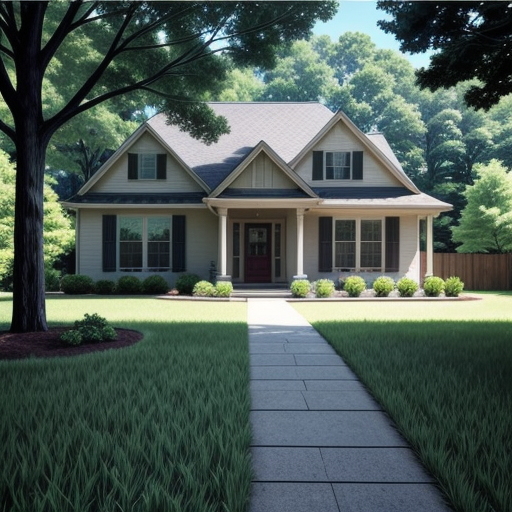
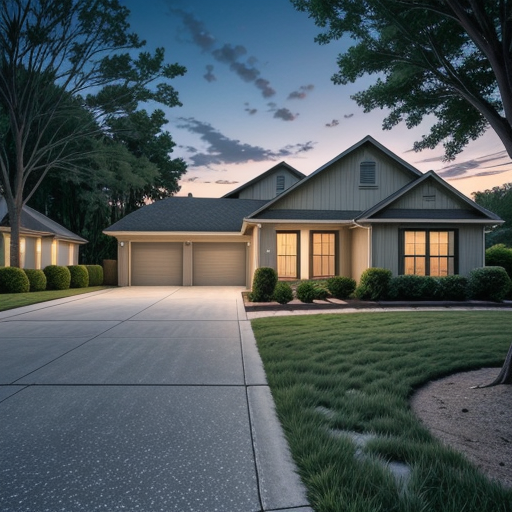
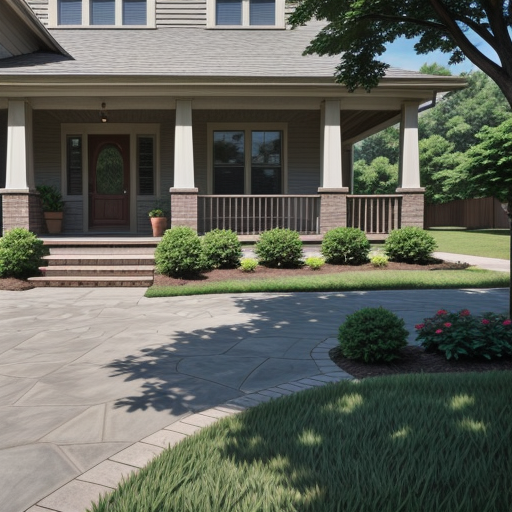
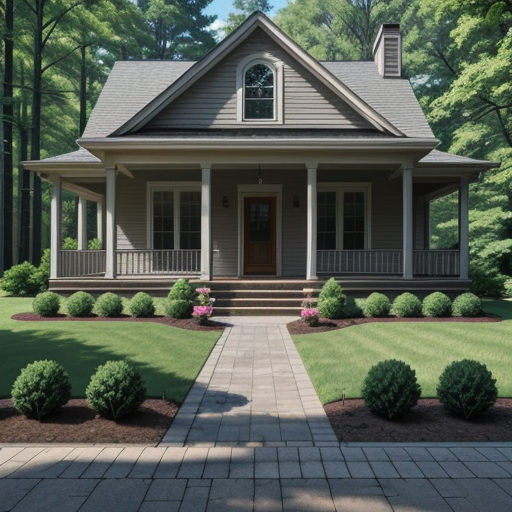
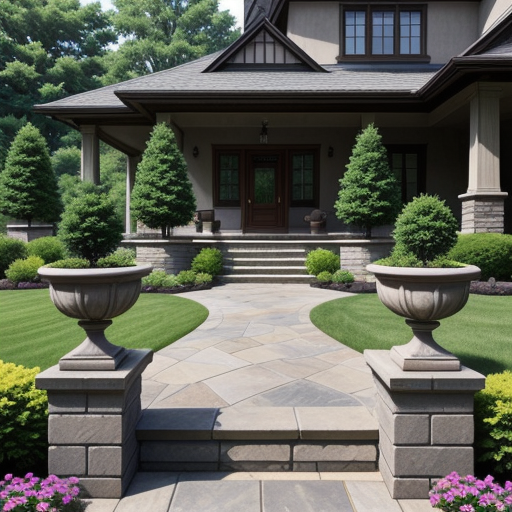
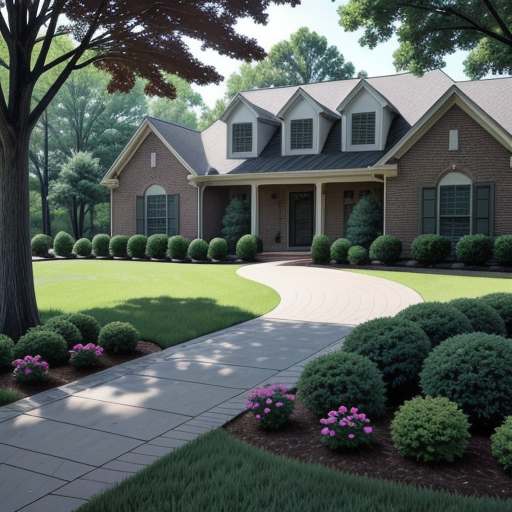
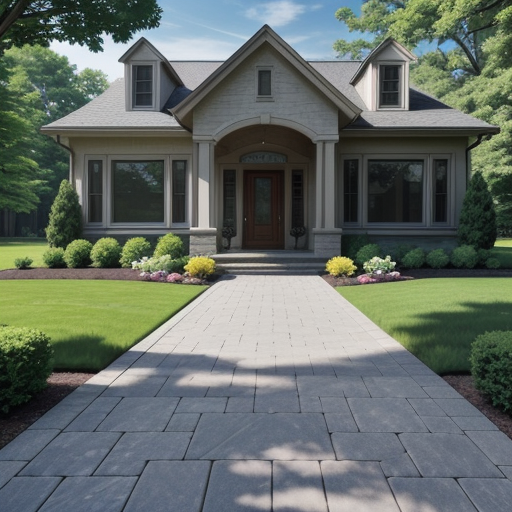
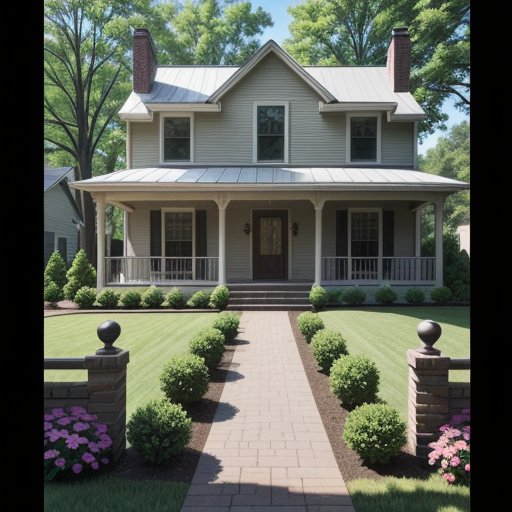
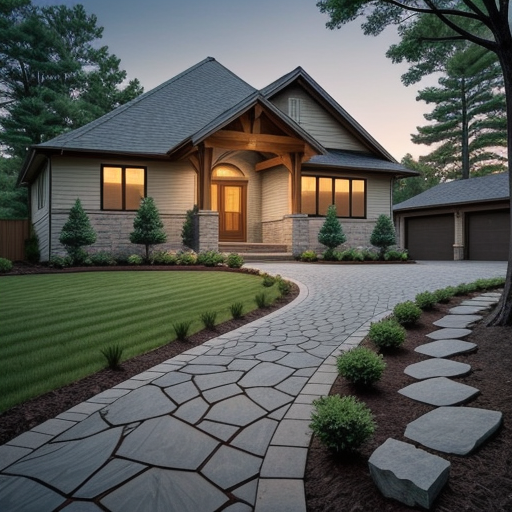
A home's exterior can greatly influence its resale value. First impressions matter. Homes with well-maintained exteriors, attractive landscaping, and welcoming entryways typically garner higher interest from prospective buyers. Enhancing curb appeal can be a cost-effective way to boost a home’s value.
Potential for Growth and Development
Research if there are any planned developments in the area that could increase property value, such as new schools, shopping centers, or transportation links. Likewise, be wary of developments that might detract from home value, such as industrial projects or increased traffic congestion.
Home Size and Layout
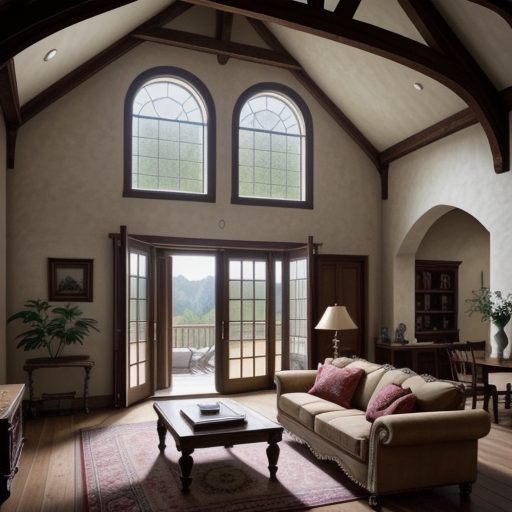
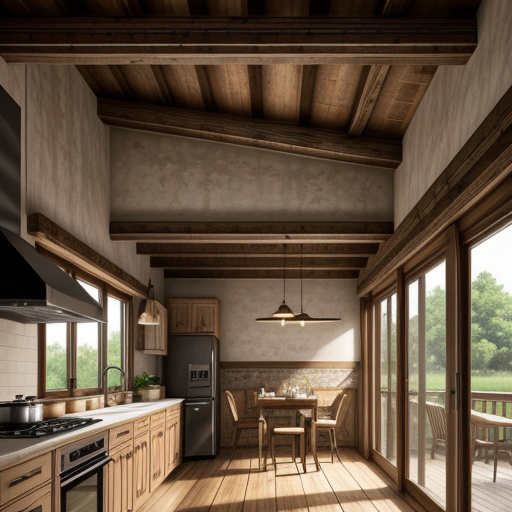
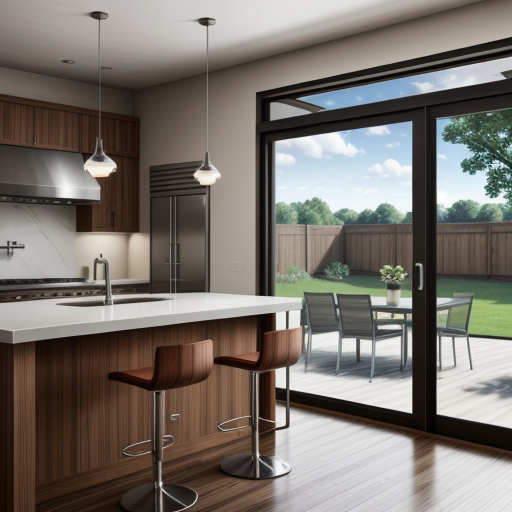
The size, layout, and functionality of a home are also critical in evaluating resale value. Homes with flexible spaces that can be personalized to suit varied needs are highly sought after. Consider if the home offers enough living space, bedrooms, and bathrooms for a wide range of potential buyers.
In summary, when evaluating a home's resale value, it's essential to consider various factors, including location, market trends, home condition, appeal, and potential neighborhood growth. By carefully analyzing these elements, buyers can make informed decisions ensuring that their investment proves beneficial in the long term.