When purchasing a home, it's essential to consider not only your immediate needs but also the long-term investment potential. Evaluating a home's resale value can save you future headaches and increase financial gains. Here are key factors to consider.
-
Location, Location, Location: The location of your home is perhaps the most significant determinant of its resale value. Properties in desirable areas - such as those with access to good schools, proximity to public transport, and local amenities - tend to retain and even increase their value over time. Research neighborhood trends and future development plans to ensure the location will remain attractive.
-
Market Trends: Real estate is influenced by market trends at both macro and micro levels. Understanding the current local market conditions, like supply and demand dynamics, can offer insights into future price appreciation. Analyzing historical data and forecasts can help gauge potential future increases in value.
-
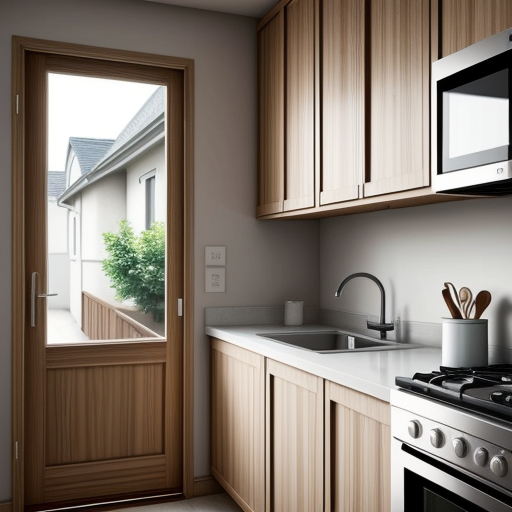
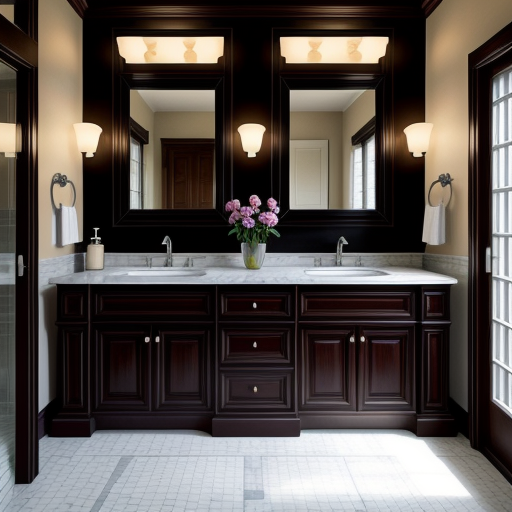
Property Condition and Upgrades: A well-maintained home with modern upgrades can appeal greatly to potential buyers and improve its resale value. Updating kitchens and bathrooms, maintaining the roof, and ensuring systems like HVAC and plumbing are in good condition can all contribute positively.
-
Size and Layout: The size and functional layout of a home remain critical factors. Generally, homes with a larger square footage, multiple bedrooms, and adaptable spaces have better resale potential. Flexibility in floor plans to accommodate different needs can also be attractive to a broader audience.
-
Local Economy and Employment: The vibrancy of the local economy and employment rates can significantly affect property values. Areas experiencing economic growth, job creation, and infrastructure development are more likely to enjoy property appreciation.
-
Curb Appeal: First impressions matter, and a home with good curb appeal can attract more buyers. Investing in landscaping, exterior painting, and entrance upgrades can add value by making a property visually appealing from the outset.
-
Comparative Market Analysis: Conducting a comparative market analysis (CMA) can provide a realistic picture of a home’s value. Comparing the property with similar ones recently sold in the area allows for a better understanding of market positioning.
By considering these factors and working with a knowledgeable real estate agent, homeowners can evaluate a home's potential resale value effectively, ensuring a smart investment decision that aligns with long-term financial goals.