When purchasing a home, understanding its potential resale value is crucial for making a sound investment. Whether you're a first-time buyer or a seasoned investor, considering future marketability can greatly impact your financial gains. This guide delineates essential factors to assess a home's resale value effectively.
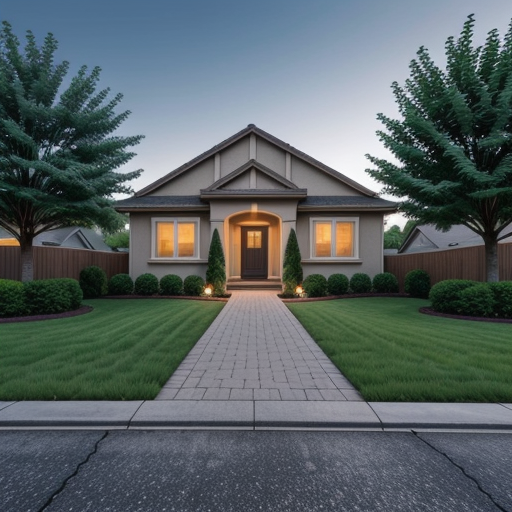
Location is paramount when evaluating resale value. Homes situated in desirable neighborhoods with convenient access to amenities such as schools, shopping centers, and public transport typically have better resale prospects. Furthermore, the quality of local schools is a significant factor for many buyers, which in turn boosts property demand and potential resale prices.
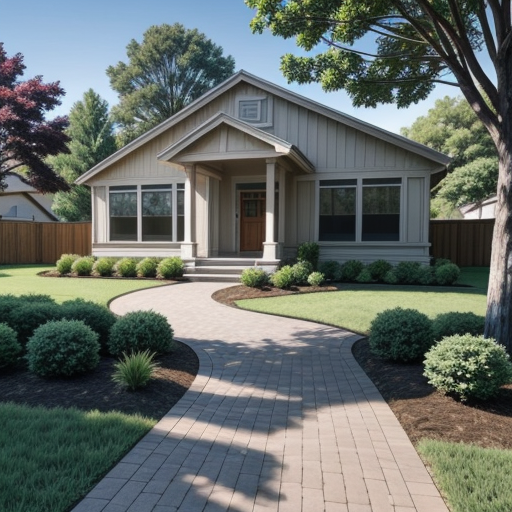
Another key aspect is the home's condition and age. Updated properties with modern features tend to attract buyers more readily than those needing extensive renovations. However, historical homes in good condition can also fetch high resale prices due to their unique charm and often lack of availability.
Market trends play a substantial role in determining future resale value. Analyzing recent sales data within the neighborhood helps in predicting whether home prices are likely to appreciate. Keep an eye on economic indicators such as employment rates and interest rates, as they can influence housing market dynamics.
The size and layout of the home also contribute to its resale potential. Properties that offer flexibility, such as adaptable spaces and sufficient room for future expansion, often hold their value. Additionally, homes with efficient layouts that enhance natural light and offer functional living spaces often appeal to a broader audience.
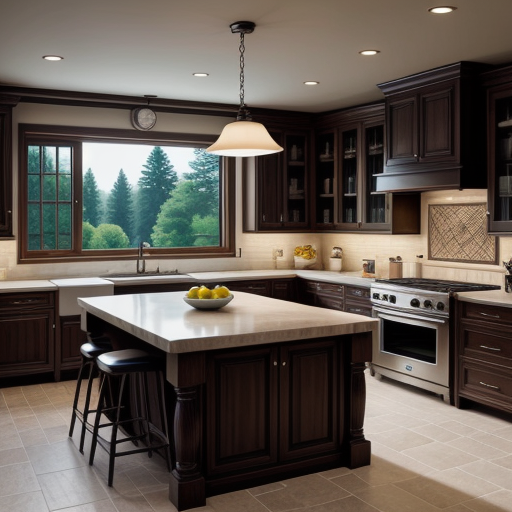
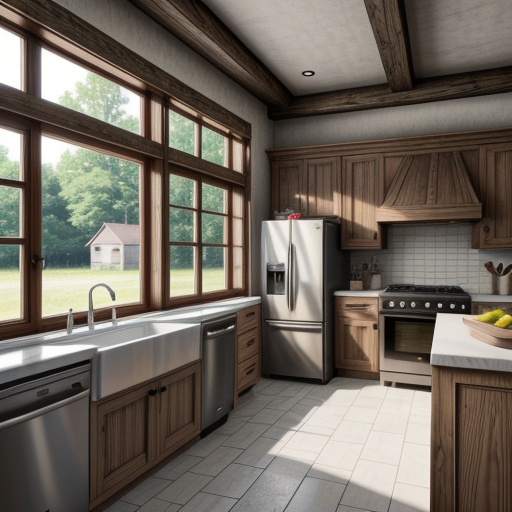
Invest in quality home features that are currently in demand. Energy-efficient windows, modern appliances, and updated kitchens and bathrooms are attractive features that can increase a property's appeal and thus its resale value. Implementing sustainable and eco-friendly upgrades may also add long-term value as more buyers prioritize environmental responsibility.
Lastly, assess the local supply and demand dynamics. Areas with high housing demand and limited inventory can bolster property prices. Conversely, an over-saturated market might hinder potential appreciation.
In conclusion, evaluating a home's resale value involves a blend of location analysis, property condition, market trends, and buyer preferences. By strategically considering these elements, you can make informed purchasing decisions that will maximize your future returns.