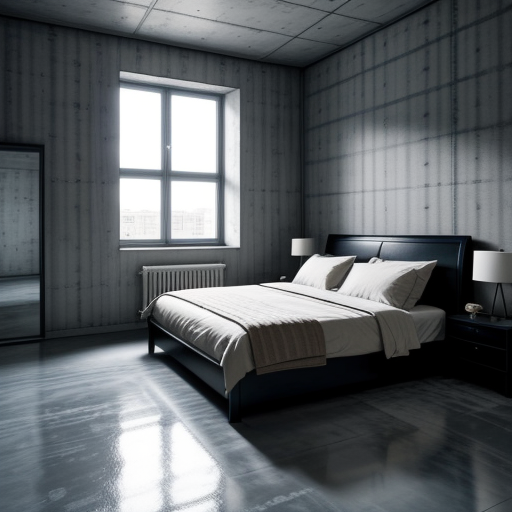
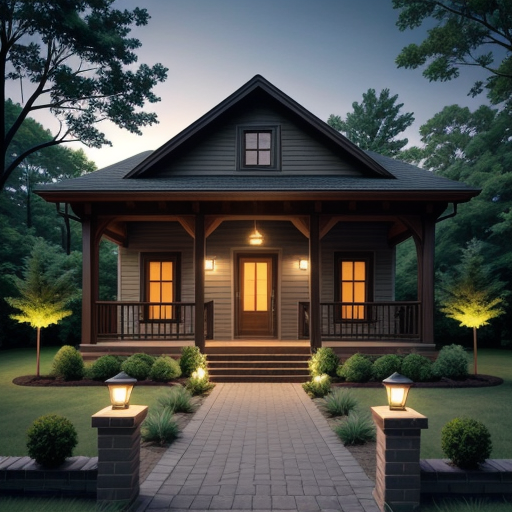
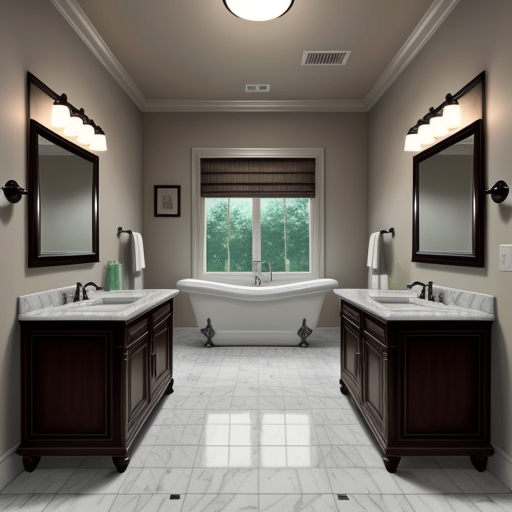
In the ever-evolving world of home design, staying abreast of the latest trends can greatly influence potential buyers’ decisions. As we forge ahead through 2023, several key patterns have emerged in residential architecture and interior aesthetics. These trends, influenced by lifestyle changes and technological advancements, reflect a shift towards sustainability, functionality, and comfort.
One prominent trend gaining traction is the emphasis on sustainable living. Homebuyers are increasingly seeking properties equipped with energy-efficient appliances, solar panels, and sustainable building materials. Green design not only reduces the carbon footprint of a home but also tends to lower utility bills, making these properties highly desirable. Builders are responding to this demand by incorporating eco-friendly aspects into new developments, and many homeowners are opting for renovations that prioritize sustainability.
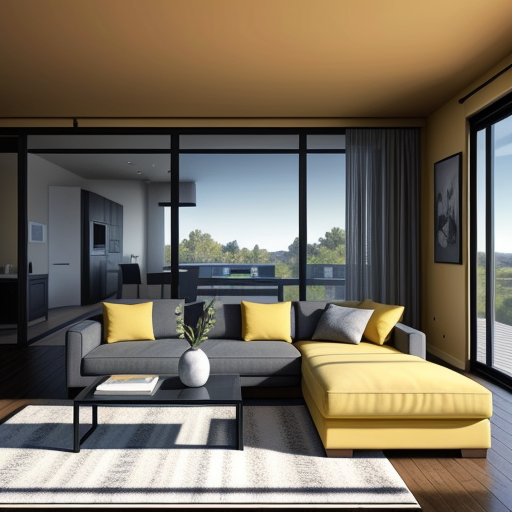
Another significant shift in home design is the integration of multifunctional spaces. With the rise of remote work, there’s a growing need for areas that seamlessly transform from workspaces to relaxation zones. Open floor plans remain popular, but buyers are now looking for designated areas that can serve multiple purposes—like home offices that can also function as guest rooms. This trend underscores the importance of adaptability in modern living environments.
Home technology is also a major player in current design trends. Smart homes equipped with advanced technology not only enhance convenience but also improve security and energy management. Features such as smart thermostats, lighting systems, and home assistants are now expected as standard in new constructions. As tech-savvy generations enter the housing market, the demand for homes with integrated smart technology continues to grow steadily.
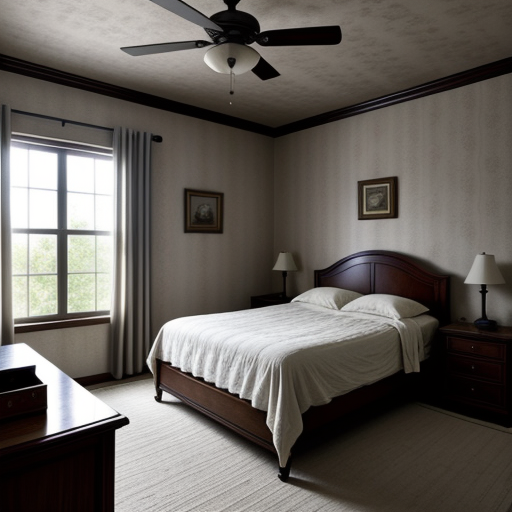
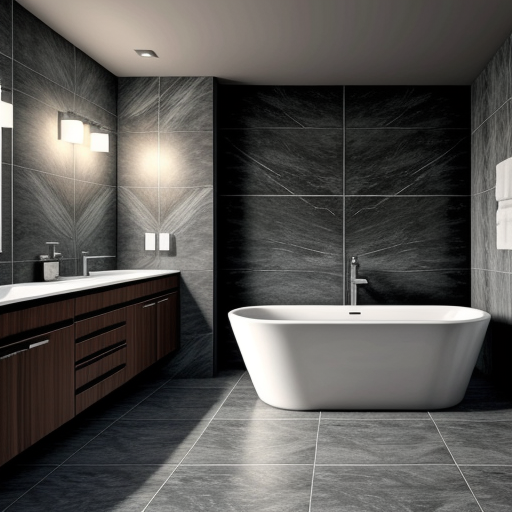
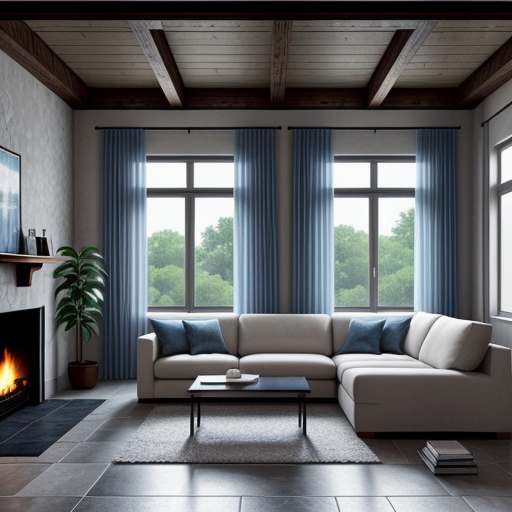
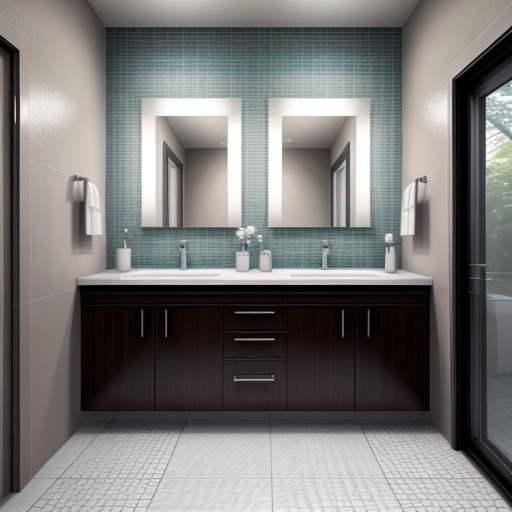
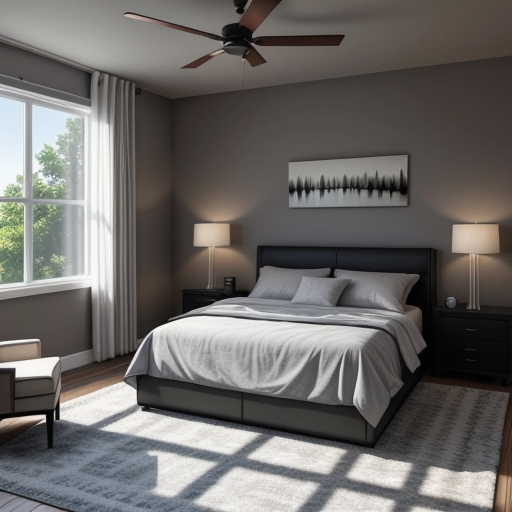
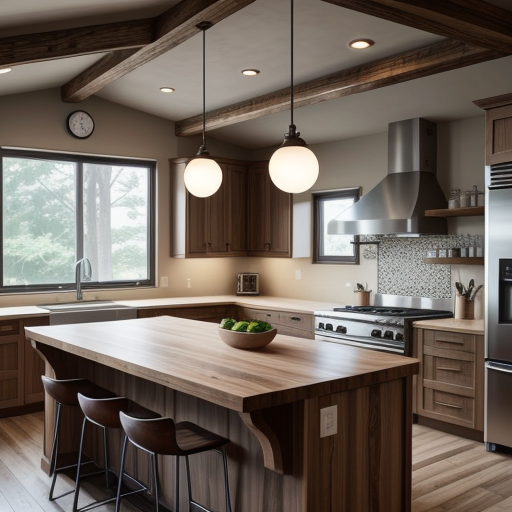
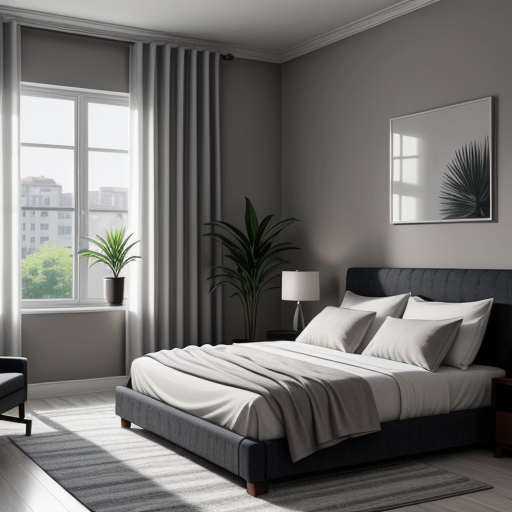
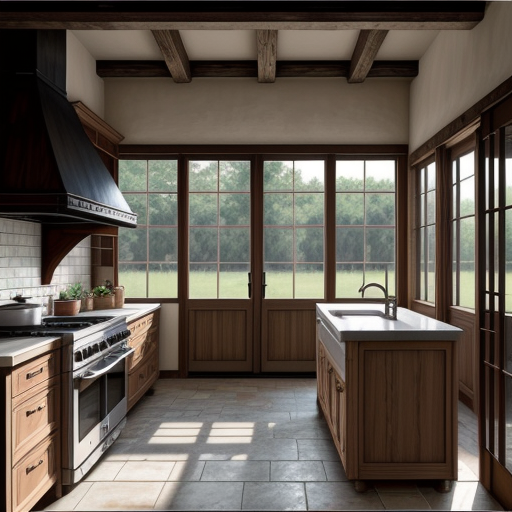
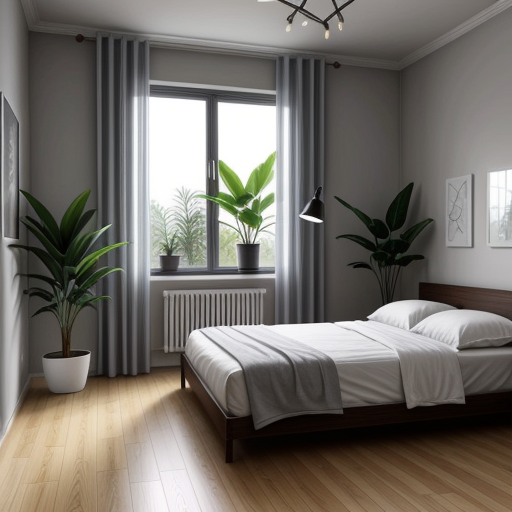
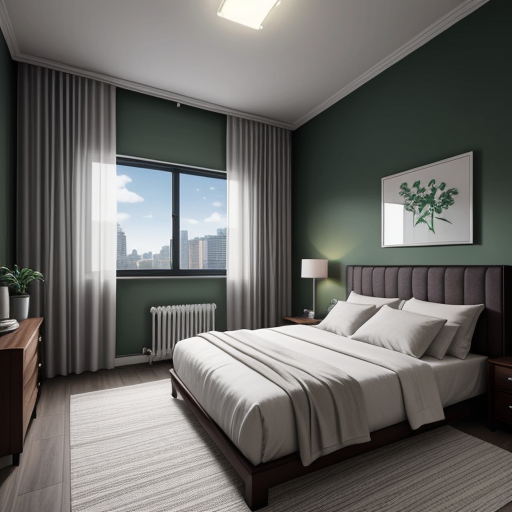
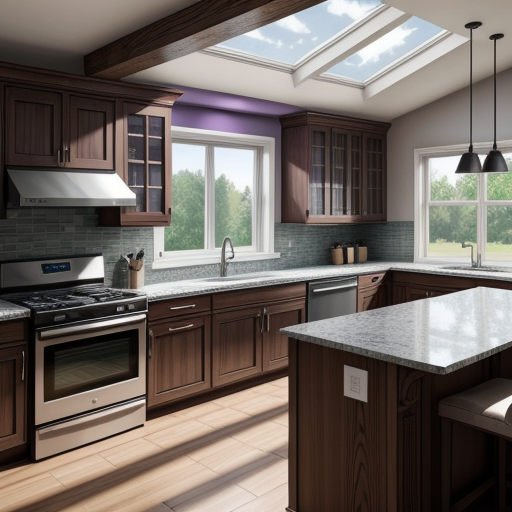
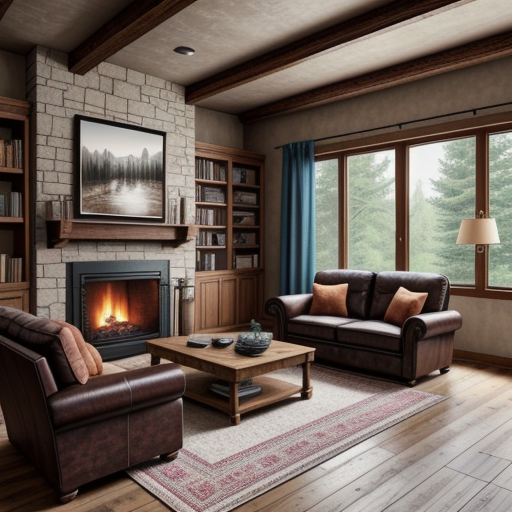
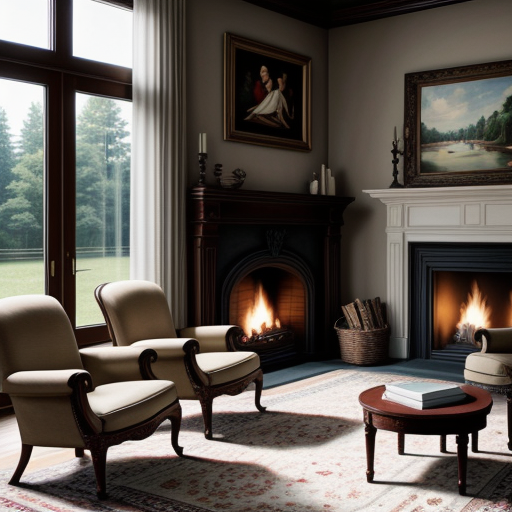
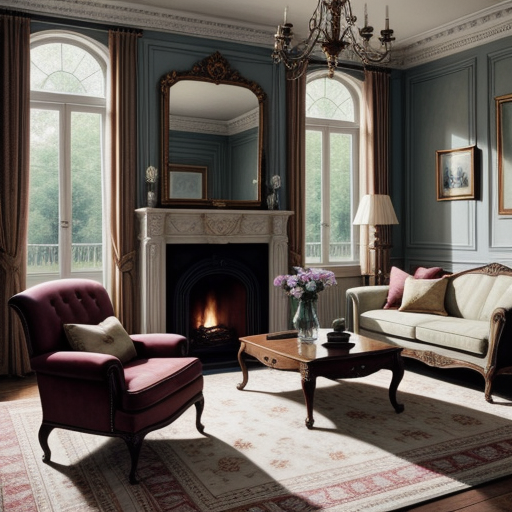
Furthermore, color palettes have taken on softer tones in 2023. Earthy hues, muted greens, and warm neutrals are becoming favored choices, creating calming environments that promote well-being. These colors are often paired with natural materials like wood and stone to establish a connection to the outdoors, enhancing the tranquil ambiance homeowners desire.
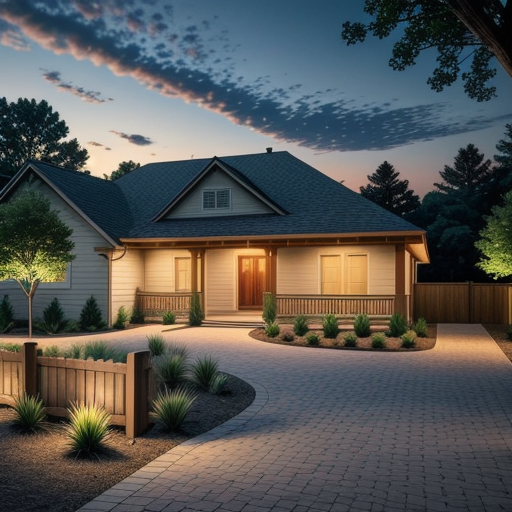
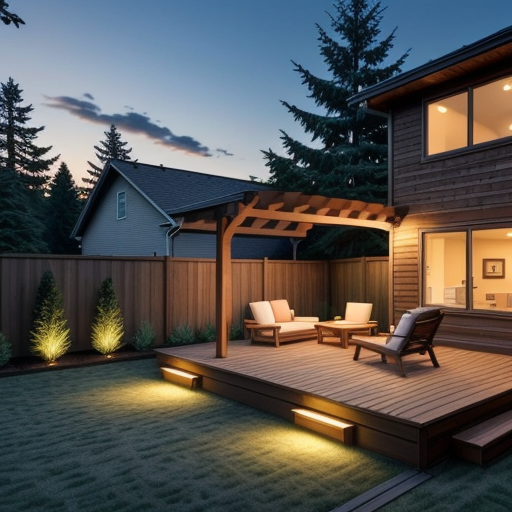
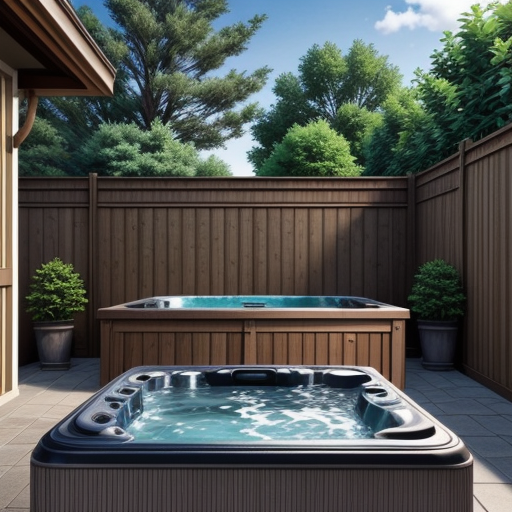
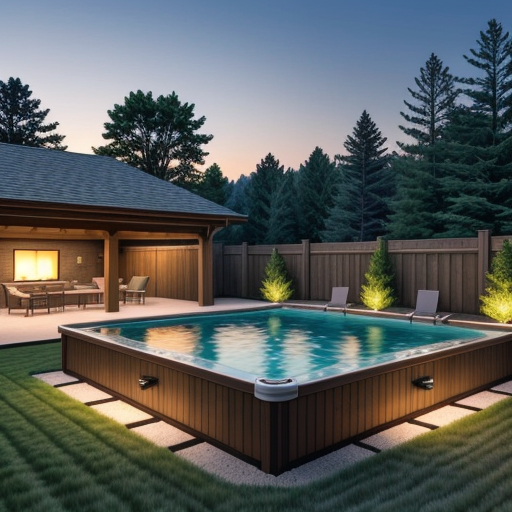
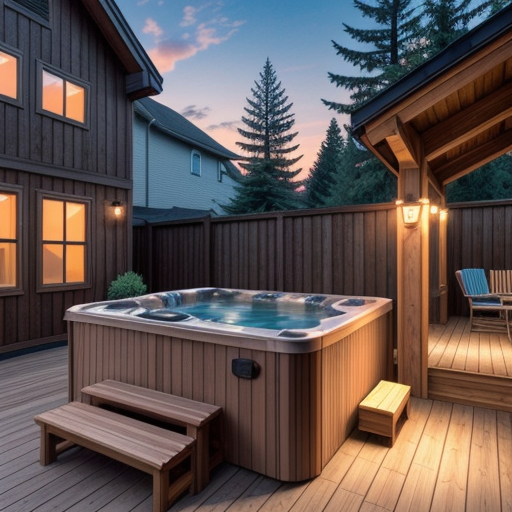
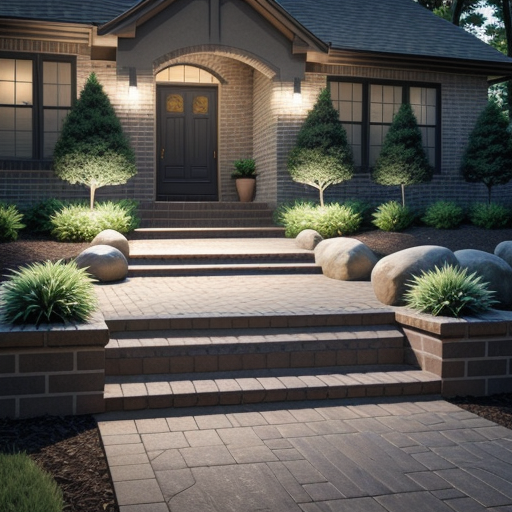
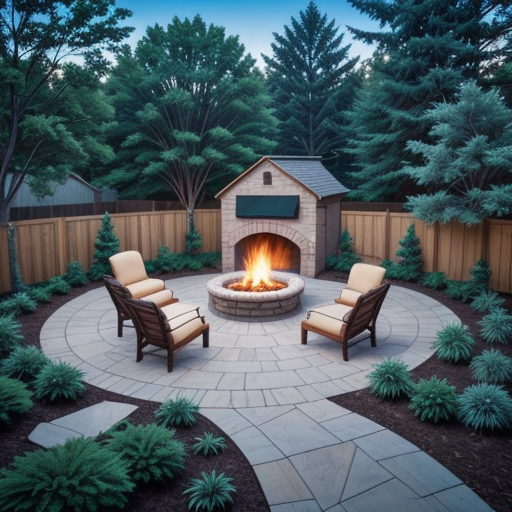
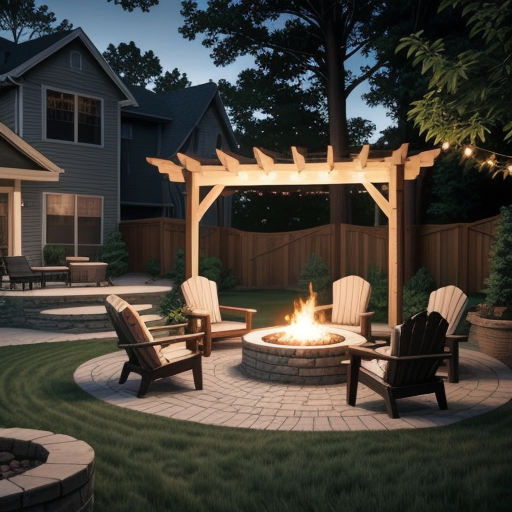
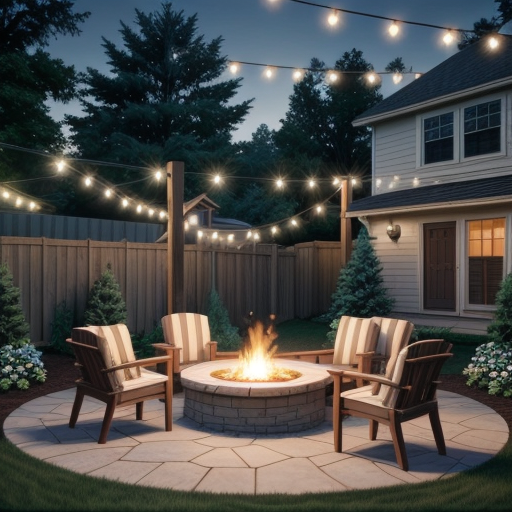
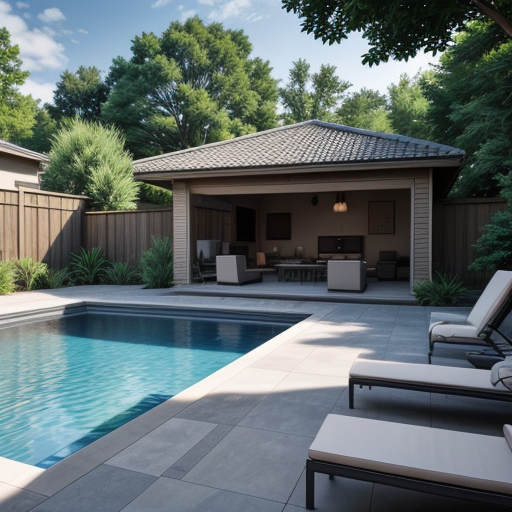
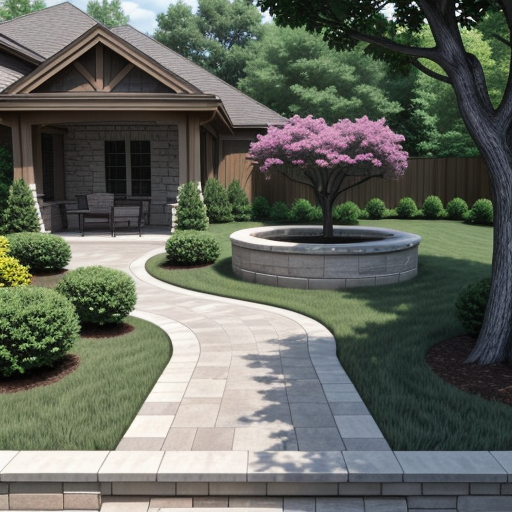
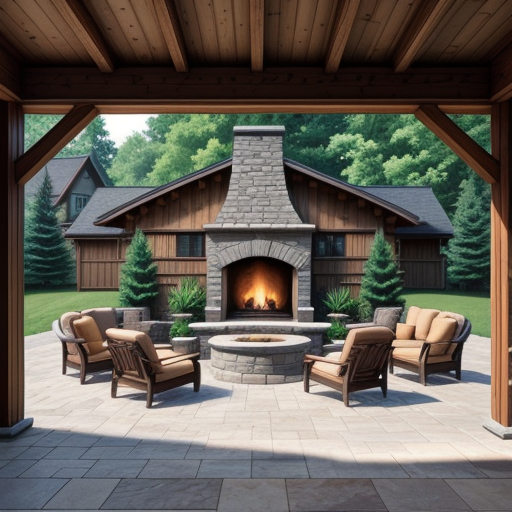
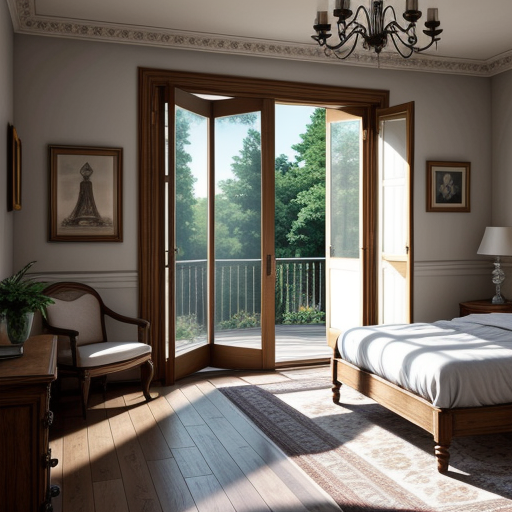
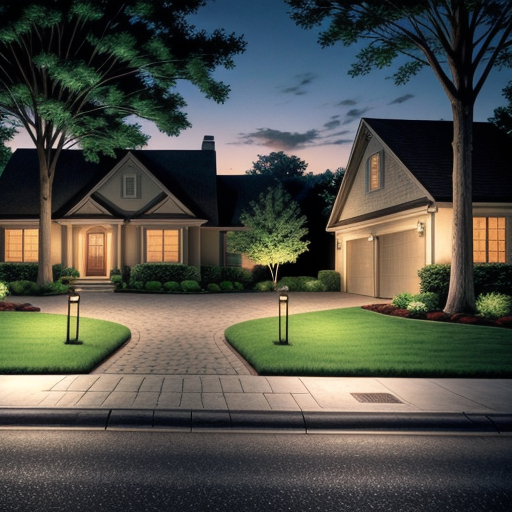
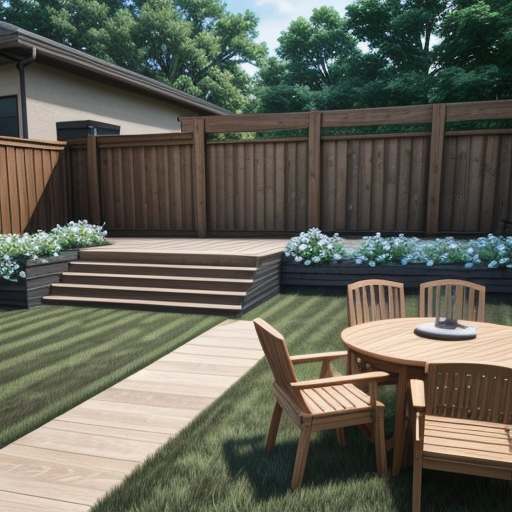
Lastly, outdoor living spaces have evolved into integral parts of home design. With an increased emphasis on wellness and relaxation, buyers are investing in expansive decks, comfortable patios, and beautifully landscaped gardens. These areas serve as extensions of the home, allowing for social gatherings and personal retreats immersed in nature.
In conclusion, the latest trends in home design highlight a focus on sustainability, multifunctionality, technology integration, soothing color schemes, and outdoor living. For real estate agents, being knowledgeable about these trends can significantly enhance client engagement and aid in aligning buyer preferences with suitable properties. As buyers navigate a competitive market, understanding and adapting to these evolving design notions will be crucial in meeting their needs and aspirations.