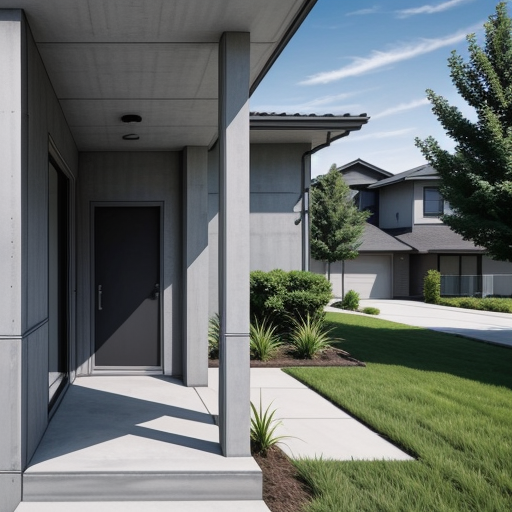
Moving to a new home is an exciting yet challenging experience, and ensuring a smooth transition requires careful planning, especially when it comes to transferring utilities. Managing this process efficiently can help prevent inconvenience and undue stress as you settle into your new residence.
1. List and Prioritize Your Utilities
Begin by compiling a comprehensive checklist of all the utilities you currently have. This typically includes electricity, water, gas, internet, cable, and waste management services. Once you have a list, prioritize them based on necessity, so you can manage those most critical to comfort and daily function first.
2. Research Providers in Your New Area
Before moving, research utility providers in your new location. You may have different options depending on the region. For example, while electricity may have several providers, your water service may be monopoly-controlled. Compare prices, packages, and promotions to choose the best one that fits your needs and budget.
3. Schedule Disconnections and Reconnections Early
Contact your current utility companies to schedule disconnection dates on or close to your moving day. At the same time, arrange for reconnection at your new address. Aim to set up activation a day before your arrival to avoid service interruptions during the move.
4. Handle Upfront Fees and Deposits
When setting up utilities in a new home, you may encounter upfront fees or deposits, particularly if you're moving to a new service area. Inquire about these costs in advance to budget accordingly. Some companies may waive deposits if you have a good credit history or offer promotions for new customers.
5. Finalize and Confirm Details
About a week before your move, confirm each utility transfer to ensure everything is on schedule. Double-check the dates and times to avoid any miscommunications. Additionally, keep all related documentation and confirmation numbers easy to access in case issues arise.
6. Keep Old Bills Accessible
After you move, keep the most recent utility bills from your previous residence on hand. This will assist in resolving any pending issues or confirming final meter readings if needed.
7. Understand Tenant Responsibilities for Rentals
If you're moving into or out of a rented property, understand the utility responsibilities required in your lease agreement. Discuss any necessary utility adjustments with your landlord beforehand to ensure compliance with lease terms.
By following these structured steps, transferring utilities for your move can be a hassle-free component of the moving process, allowing you to focus on enjoying your new home.