When purchasing a home, considering its potential resale value is crucial in ensuring a sound investment. A property that appreciates over time not only offers you financial security but also provides flexibility if your circumstances change. Here, we explore several factors that can help you evaluate a home's resale value.
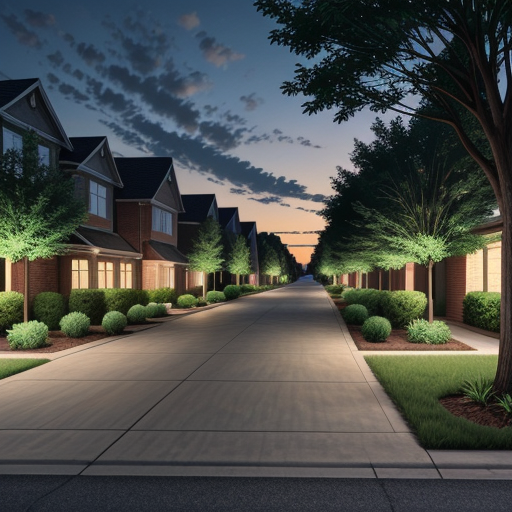
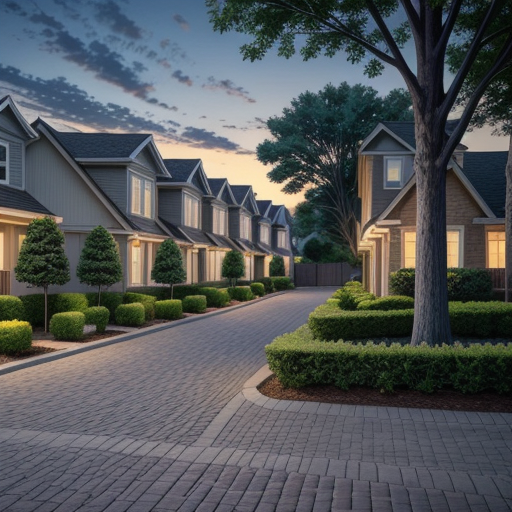
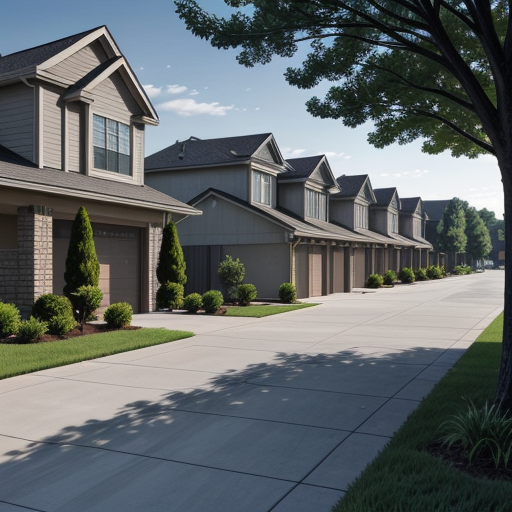
1. Location and Neighborhood: The location of a home is arguably the most significant factor in determining its resale value. Properties in areas with good schools, low crime rates, and convenient access to amenities like shopping, dining, and public transportation generally see higher appreciation rates. It's also beneficial to investigate future development plans in the area, as new parks, schools, or commercial projects might enhance the neighborhood's desirability.
2. Comparable Sales Analysis: A comparative market analysis (CMA) is essential when evaluating a home's potential resale value. Reviewing recent sales of similar properties in the neighborhood will provide insight into the local market trends and price ranges. Look for homes that are similar in size, age, condition, and features to get a more accurate picture.
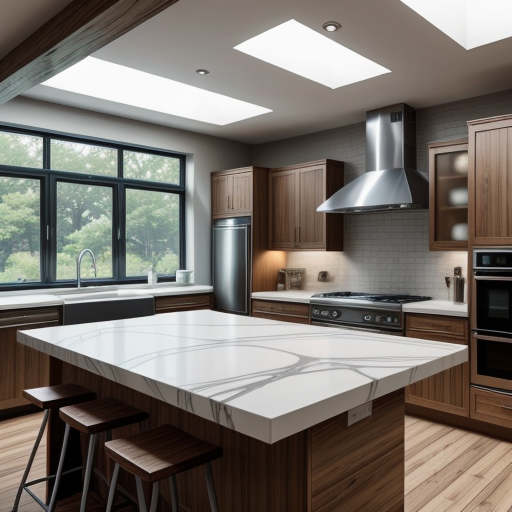
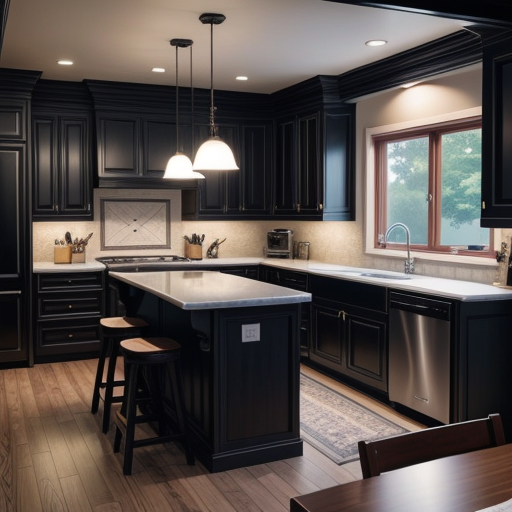
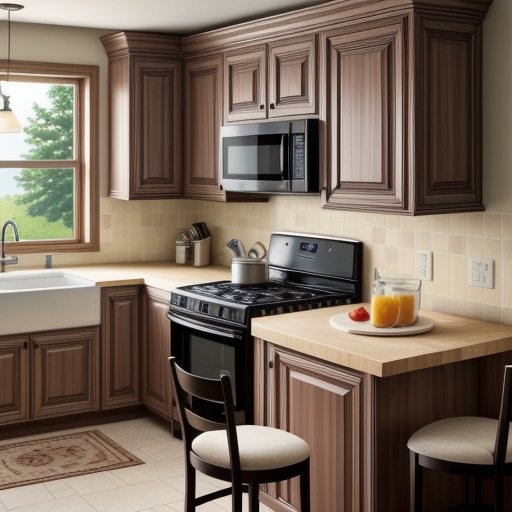
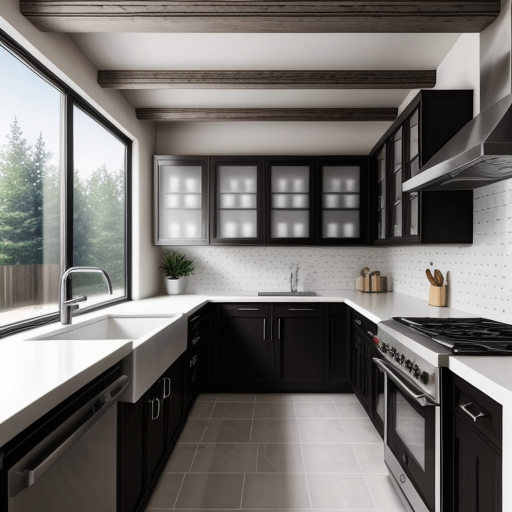
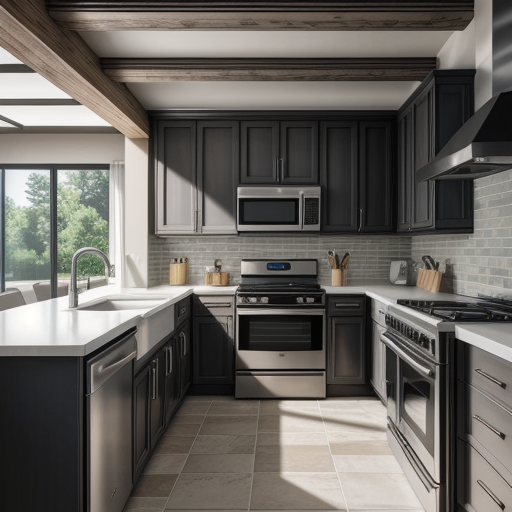
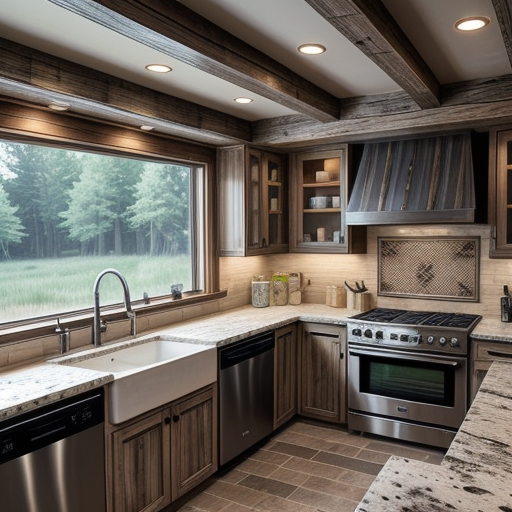
3. Home Condition and Age: The age and condition of a home can significantly impact its resale value. Newer homes or those well-maintained often require less immediate investment, offering more appeal to future buyers. Renovations and updates, especially in kitchens and bathrooms, can enhance a home's attractiveness and value. However, it's important to weigh the cost of improvements against the potential increase in resale value.
4. Market Trends and Economic Factors: Stay informed about current and forecasted real estate market trends. A strong economy and rising employment rates usually drive up home prices. Conversely, economic downturns can lead to longer time on the market and lower sale prices. Keep track of interest rates as they directly affect buyers' purchasing power, which in turn impacts resale values.
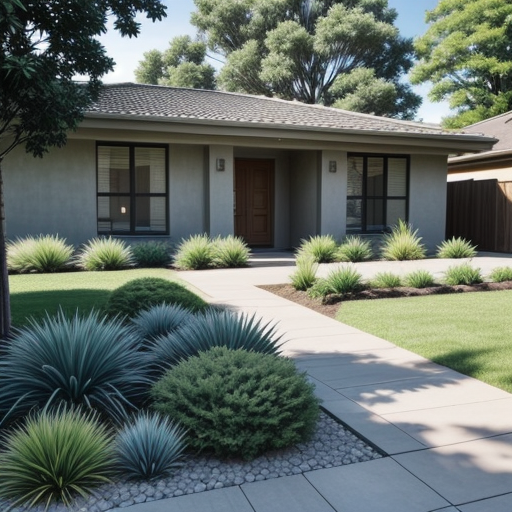
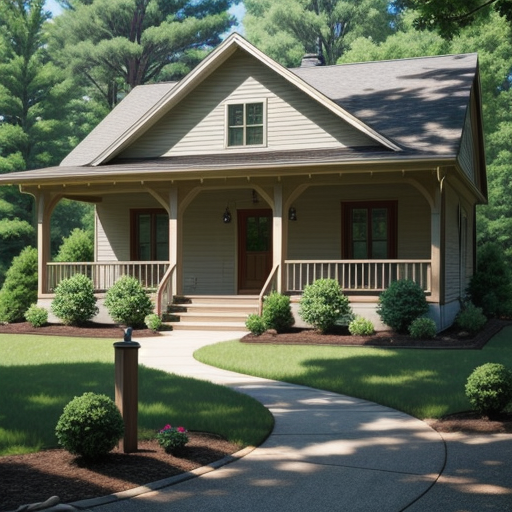
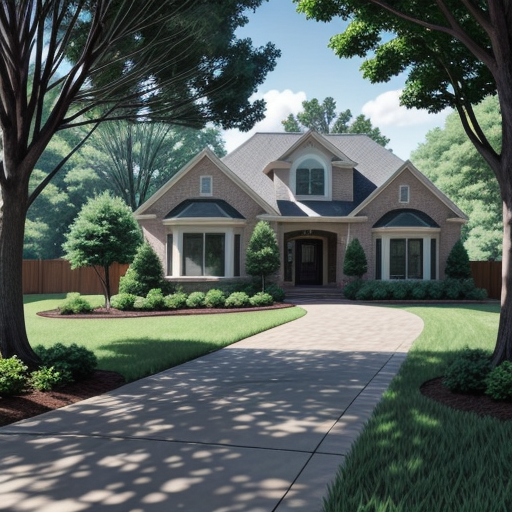
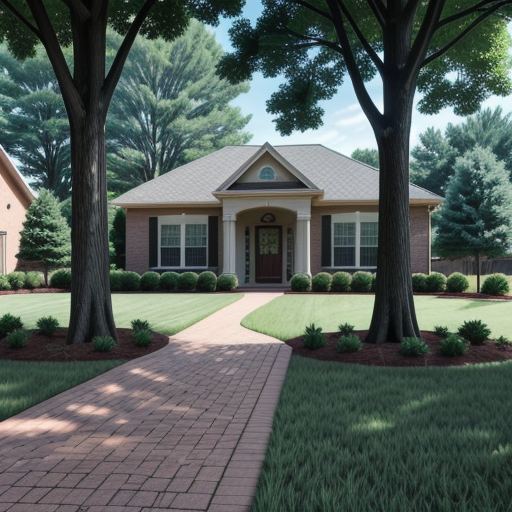
5. Property Features and Curb Appeal: Unique property features, such as a desirable floor plan, energy-efficient upgrades, or additional spaces like a home office or a spacious backyard, can boost resale value. Additionally, the home's curb appeal plays a vital role in attracting potential buyers. Simple landscaping improvements or a fresh coat of paint can make a significant difference.
In conclusion, evaluating a home's resale potential requires a thorough understanding of the factors that influence property values. By considering location, market trends, and property specifics, you can make a more informed decision that secures your investment's future profitability.