Selling your home can be an exciting yet nerve-wracking journey, especially if your property lingers on the market longer than expected. A stagnant listing can lead to frustration and stress, but understanding the reasons why a home isn't selling and taking strategic next steps can make a world of difference.
Evaluate Your Pricing Strategy
One of the most common reasons a home doesn't sell is an unrealistic pricing strategy. It's crucial to set a price that reflects the current market conditions and comparable sales in your area. If your home has been on the market for some time without significant interest or offers, it might be time to revisit your pricing. Consult with your real estate agent who can provide a comparative market analysis (CMA) to help you determine an appropriate adjustment.
Enhance Your Home’s Appeal
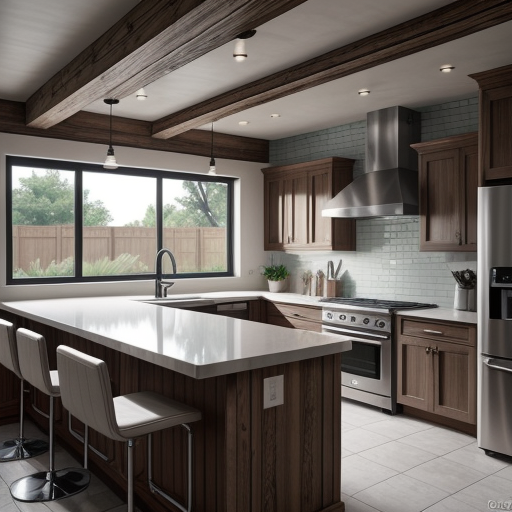
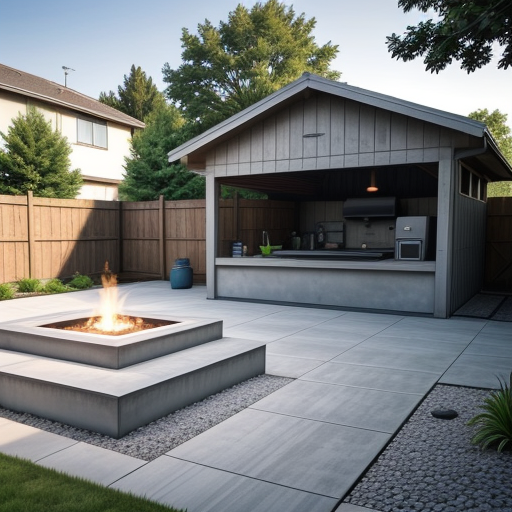
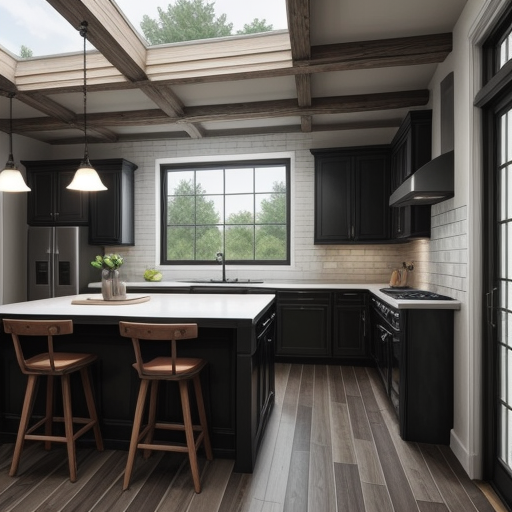
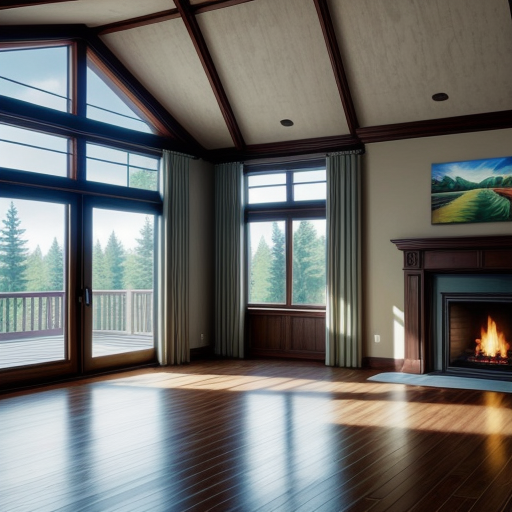
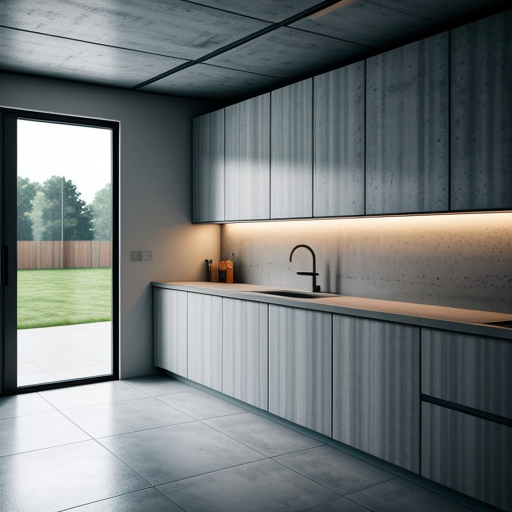
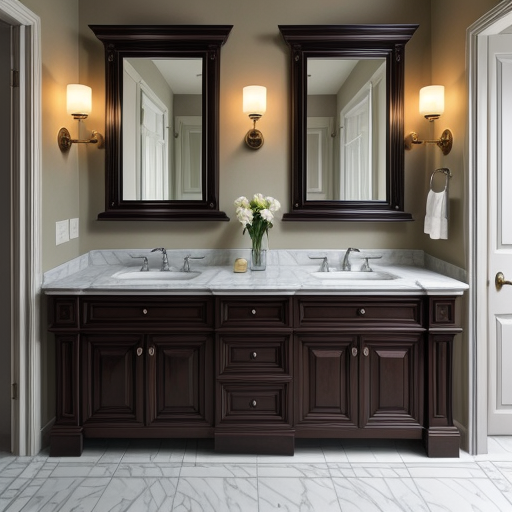
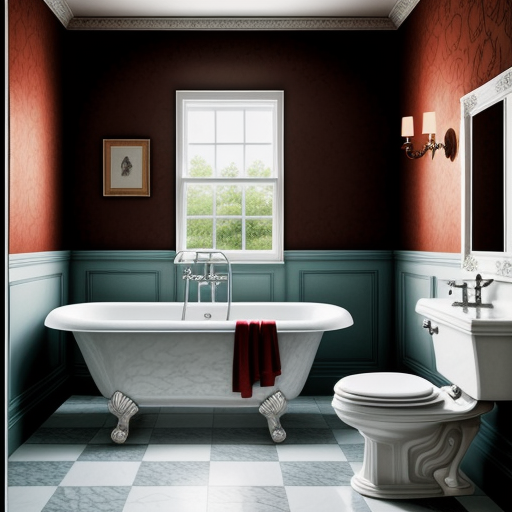
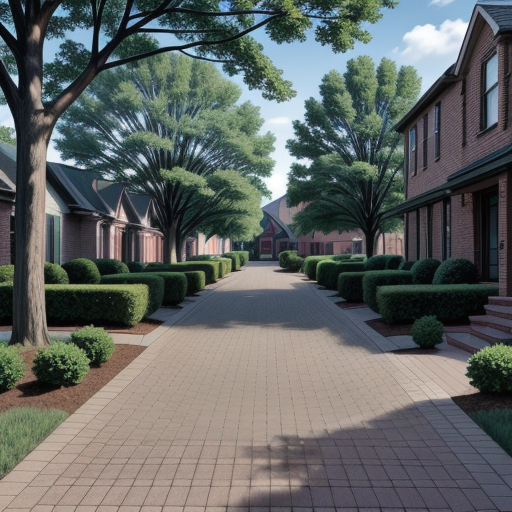
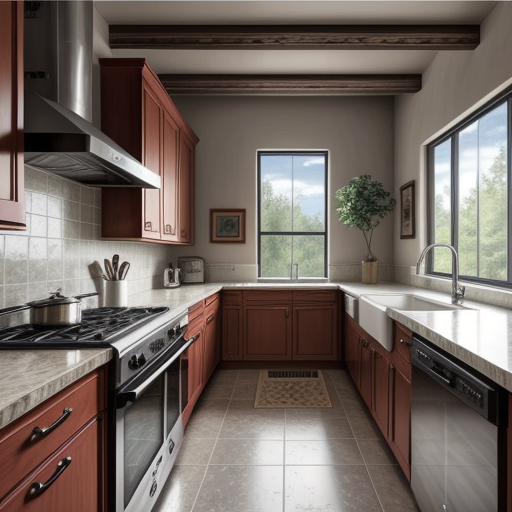
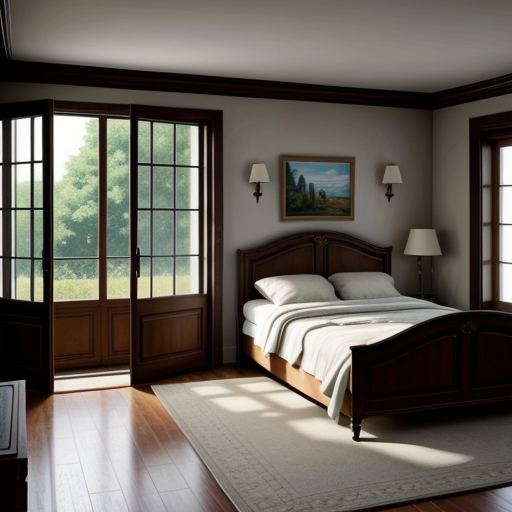
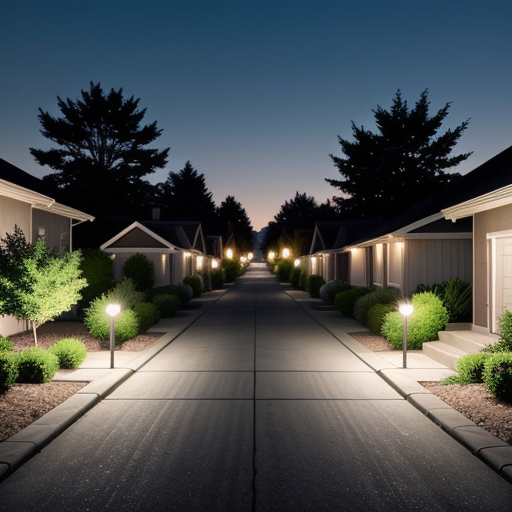
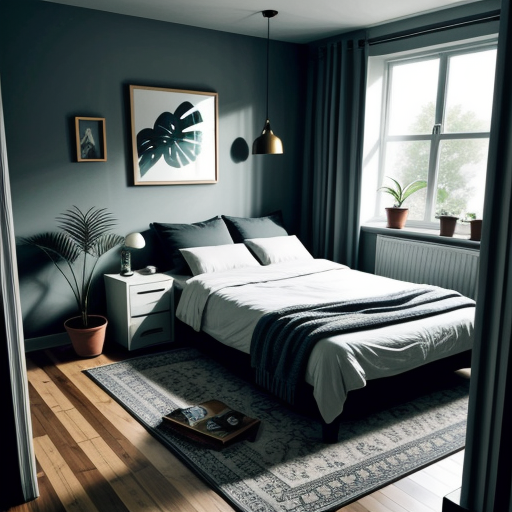
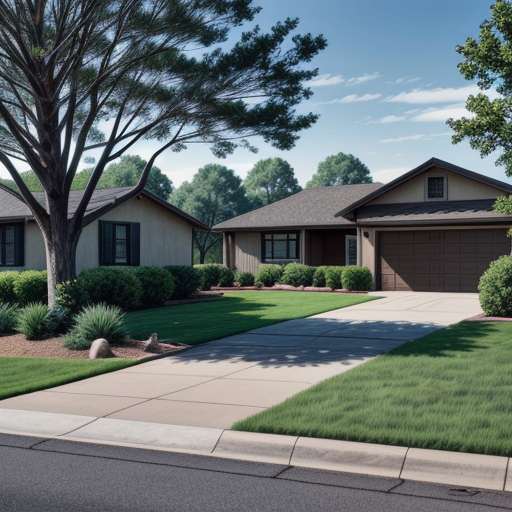
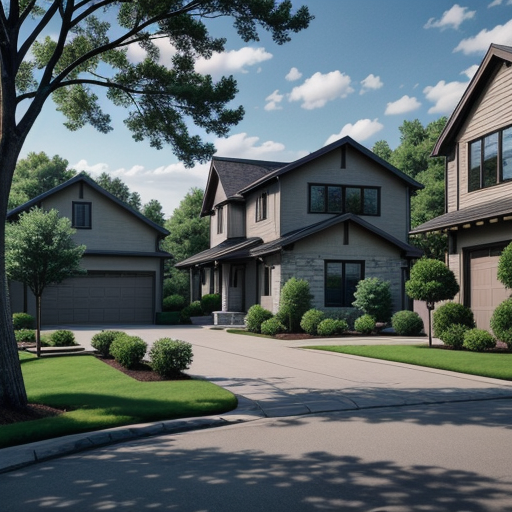
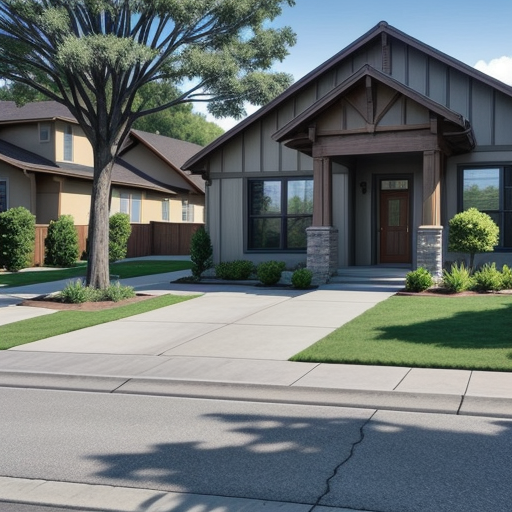
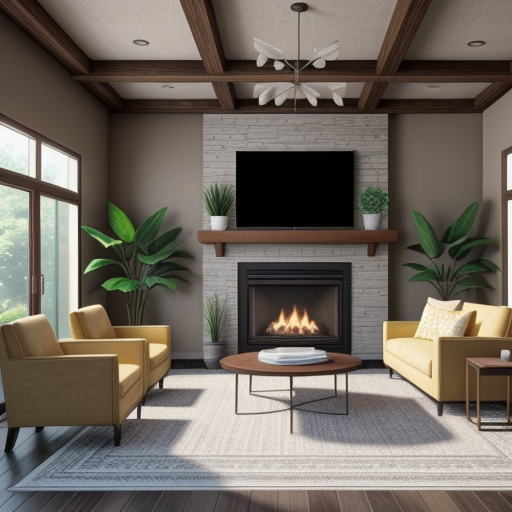
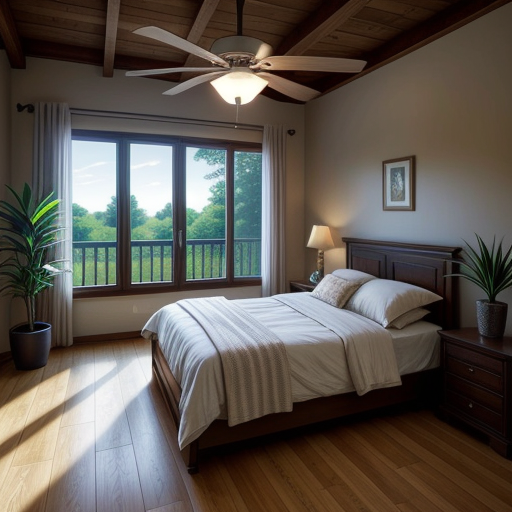
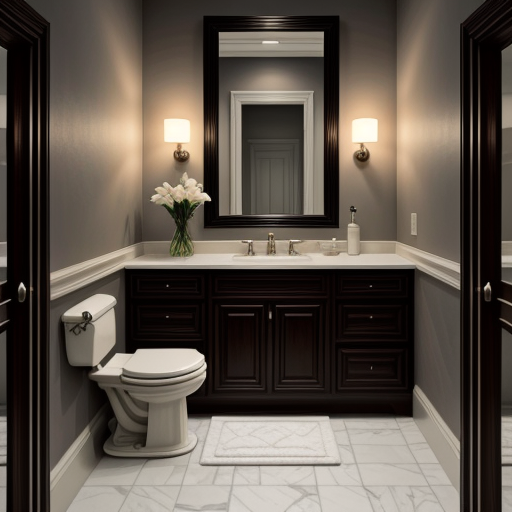
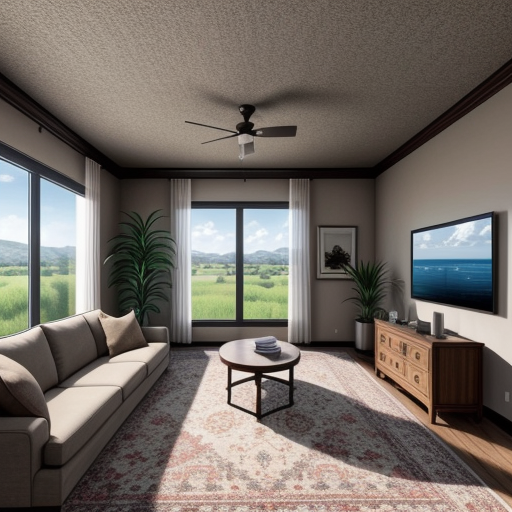
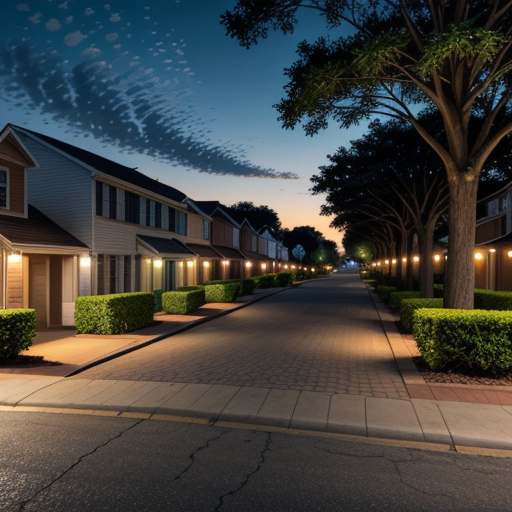
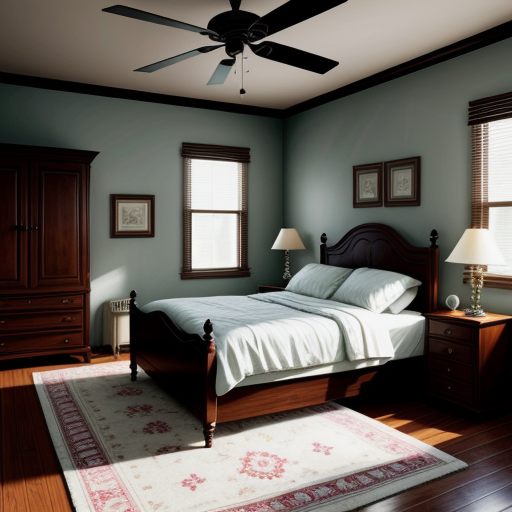
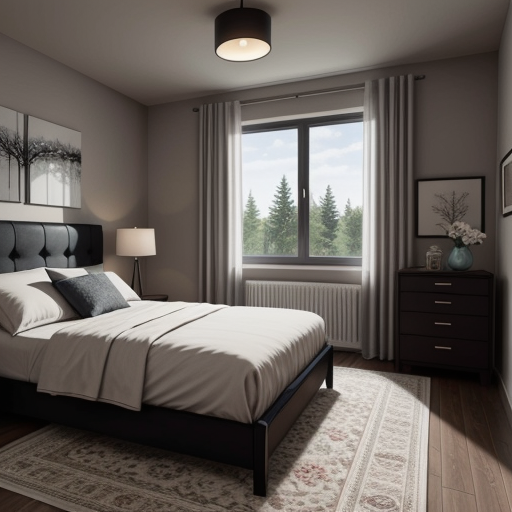
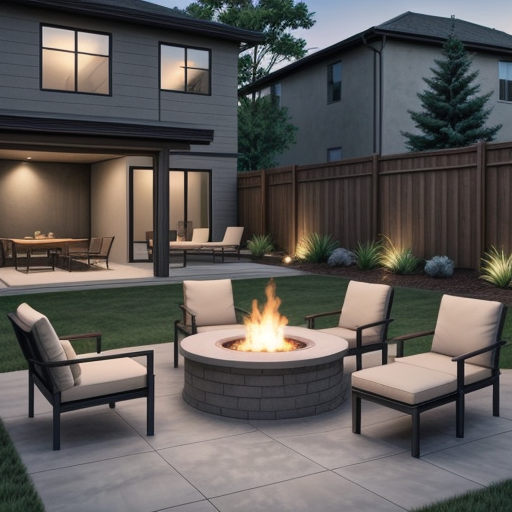
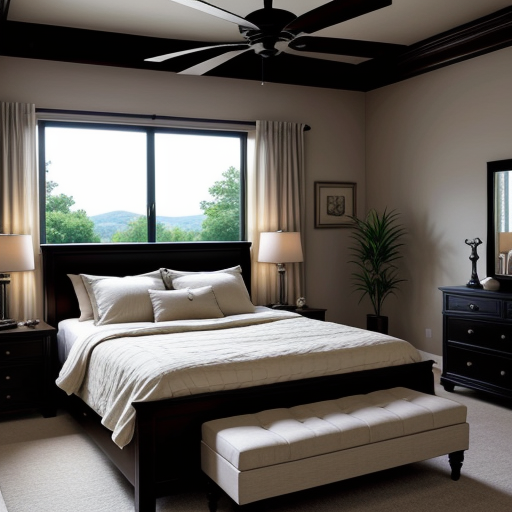
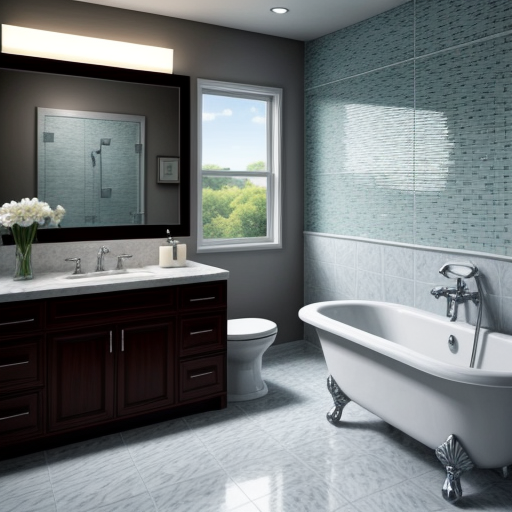
Sometimes, minor improvements can make your home more attractive to potential buyers. Focus on enhancing curb appeal by tidying up your landscaping, applying a fresh coat of paint, or replacing outdated fixtures. Inside, consider home staging to present your home in the best possible light. Decluttering, rearranging furniture, and making minor repairs can create a more inviting atmosphere that resonates with buyers.
Boost Your Marketing Efforts
Re-evaluating your marketing strategy can also yield positive results. Ensure that your listing photos are high-quality and showcase your home's best features. Consider virtual tours or video content to reach a broader audience. Additionally, expanding your marketing efforts to include social media platforms and real estate websites can increase exposure and attract more potential buyers.
Assess Market Conditions
Sometimes external factors, such as a slow local housing market, can affect your ability to sell your home. Research current market trends and consult with your real estate agent to understand the broader market conditions. If necessary, you may decide to postpone your sale until the market becomes more favorable.
Consider Professional Advice
Bringing in a fresh perspective can offer new insights. Sometimes, soliciting feedback from an experienced real estate agent or seeking the advice of a professional home stager can illuminate potential areas for improvement. External expertise can be invaluable in identifying overlooked issues that may deter buyers.
Alternative Solutions
If selling immediately isn’t imperative, you might explore alternative options like renting your property. Becoming a landlord can provide a steady flow of income while waiting for a better selling opportunity. Additionally, if flexibility allows, consider selling at a later date when market conditions might be more favorable.
In conclusion, while a home that doesn't sell quickly can be disappointing, understanding the underlying issues and taking proactive steps can reposition your property for new opportunities. By addressing pricing, aesthetics, marketing, and seeking professional advice, you increase your chances of achieving a successful sale.