Creating an inviting and functional outdoor area can significantly enhance your home’s appeal and provide a relaxing space for family and friends. Whether you have a small balcony, a sprawling backyard, or a cozy patio, there are several key elements to consider in designing your ideal outdoor oasis.
Define Your Purpose Before you start planning your outdoor space, it’s essential to determine its primary purpose. Will it be a place for entertaining guests, a private retreat for relaxation, or perhaps a space for children and pets to play? Defining the purpose will guide your design decisions throughout the process.
Choose the Right Furniture Selecting the right outdoor furniture is vital for both comfort and functionality. Weather-resistant materials such as teak, aluminum, or synthetic wicker are excellent choices for durability. Consider a combination of seating options, including chairs, benches, and loungers, to cater to different activities and moods. Additionally, soft cushions and throws can enhance comfort while adding style.
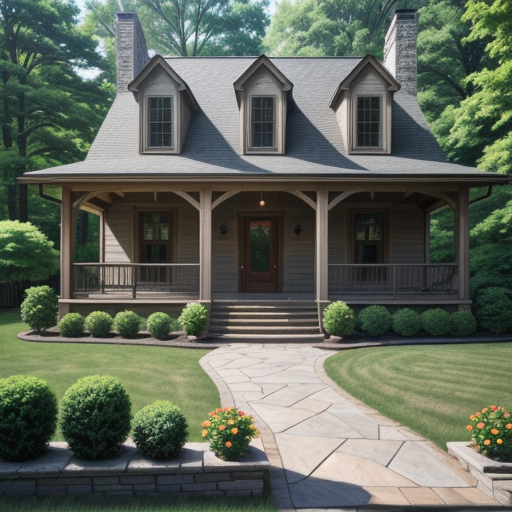
Incorporate Natural Elements Integrating natural elements into your outdoor space can create a serene atmosphere. Planting a variety of flowers, shrubs, and trees can add color and texture throughout the seasons. Consider including a vegetable garden or herb planters for a practical touch. If your space allows, adding a water feature like a fountain or bird bath can further enhance the tranquility of your outdoor area.
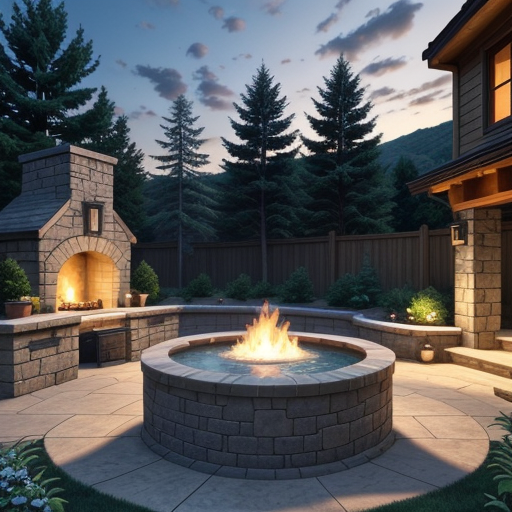
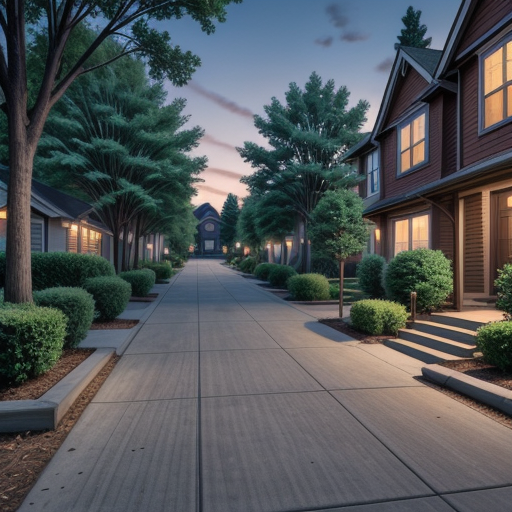
Lighting Matters The right lighting transforms an outdoor space, making it usable long after sunset. Consider string lights for a casual ambiance, or opt for solar-powered path lights to illuminate walkways. Task lighting around dining areas can enhance functionality, while accent lighting on plants or architectural features can add visual interest.
Create Defined Spaces Creating separate zones within your outdoor area can enhance usability. Consider using outdoor rugs to define seating areas or strategically placed planters to separate a dining space from a lounging area. This approach not only organizes the layout but also adds a design element that can make your outdoor space feel more structured and cohesive.
Add Personal Touches Finally, personalize your outdoor space with decorative elements that reflect your style. This could include outdoor art, rugs, or themed décor that harmonizes with the existing landscape. Incorporating elements that have personal significance can make the space feel more inviting and uniquely yours.
Designing a beautiful and functional outdoor space requires thoughtful planning and execution. By defining its purpose, choosing the right furniture, incorporating natural elements, implementing effective lighting, creating defined spaces, and adding personal touches, you can create an outdoor area that enhances your home’s appeal, provides comfort, and enriches your outdoor living experience.