Flipping houses can be a lucrative venture if approached strategically. It involves purchasing a property, making improvements, and then selling it for a profit. Here's a comprehensive guide on how to flip a house successfully, covering key steps and essential tips for beginners.
1. Research the Market
Before diving into house flipping, it’s crucial to understand the real estate market in your desired area. Analyze local trends, property values, and neighborhood dynamics. This will help you identify the best neighborhoods for investment.
2. Set a Budget
Creating a detailed budget is essential for any successful flip. Factor in the purchase price, renovation costs, holding costs, and potential selling expenses. Ensure you have a financial cushion for unexpected repairs or market shifts.
3. Secure Financing
Options for financing a house flip include cash, traditional mortgages, hard money loans, and private lenders. Evaluating the right financing method for your situation can save you time and money in the long run.
4. Choose the Right Property
Look for properties that are undervalued or in need of cosmetic repairs rather than major structural renovations. Homes in desirable neighborhoods or those near schools and shopping centers typically offer better returns.
5. Plan Your Renovations
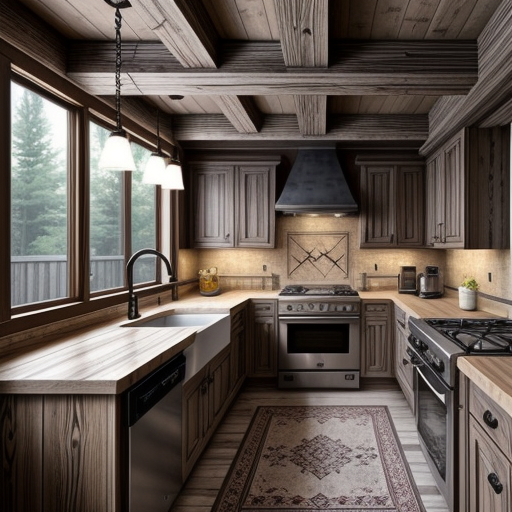
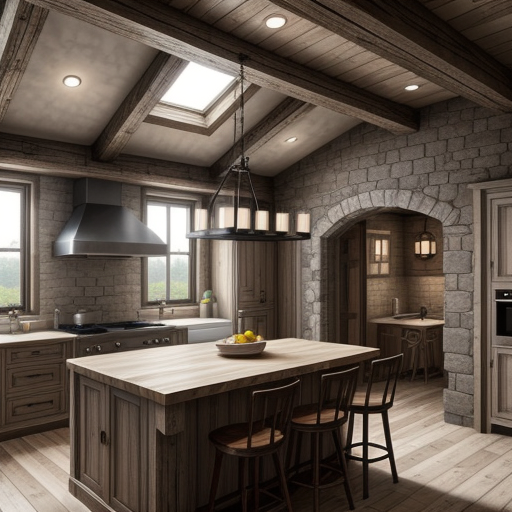
Identify what improvements will add the most value. Focus on kitchens and bathrooms, as these areas often yield the highest returns. Additionally, make sure your renovation choices align with the neighborhood’s standards and buyer expectations.
6. Hire Reliable Contractors
Quality work is critical to your success. Research and hire reputable contractors who have experience in house flipping. Verify their licenses, read reviews, and ask for references to ensure you’re working with professionals who can deliver quality results on time.
7. Manage the Project
Stay actively involved in the renovation process. Monitor the project closely, maintain clear communication with contractors, and be prepared to make decisions as the work progresses. This is vital to keeping the project on schedule and within budget.
8. Stage the Property for Sale
Once renovations are complete, consider staging the home to enhance its appeal to potential buyers. A well-staged home can be a critical factor in eliciting higher offers. Invest in professional staging services if needed to showcase the property’s best features.
9. Market Effectively
Create a solid marketing strategy to sell the house quickly. Use high-quality photographs, virtual tours, and detailed descriptions on online real estate platforms. Leverage social media and work with real estate agents to broaden your reach.
10. Know When to Sell
Monitor market conditions and be prepared to adjust your selling strategy. If the market is strong, consider pricing competitively to encourage multiple offers. If the market starts to decline, you may need to lower your price to attract buyers.
In summary, flipping houses successfully requires careful planning, market knowledge, and effective project management. By following these steps, you can navigate the process with greater confidence and increase your chances of making a significant profit in the competitive real estate landscape.