As environmental consciousness continues to rise, many prospective homeowners and current property holders are seeking ways to integrate sustainability into their living spaces. Designing a sustainable home involves a thoughtful approach to utilizing resources efficiently, reducing waste, and minimizing the overall ecological footprint. Here's how you can embark on the journey of building or redesigning an eco-friendly home.
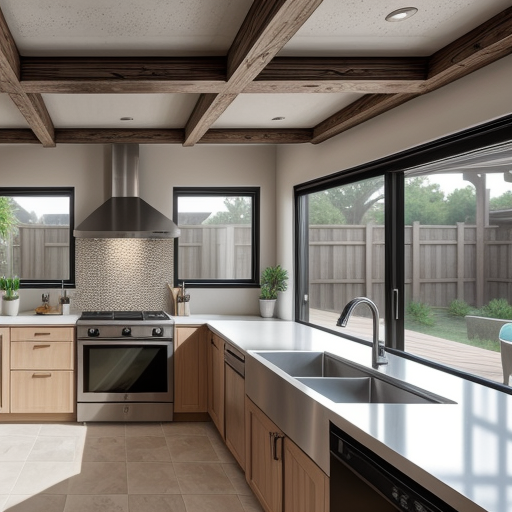
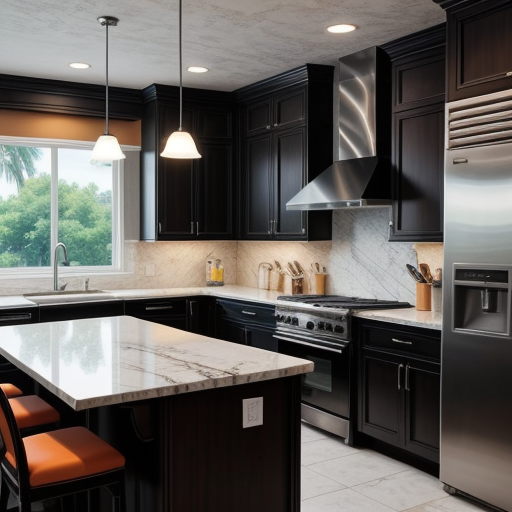
One of the primary considerations for a sustainable home is energy efficiency. This can be achieved by installing high-performance windows and proper insulation that minimize heat loss during winter and keep interiors cool during summer. Choosing energy-efficient appliances and LED lighting can significantly reduce energy consumption and contribute to long-term savings on utility bills.
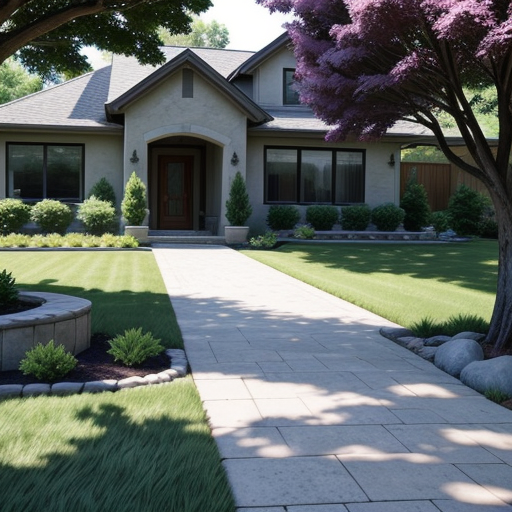
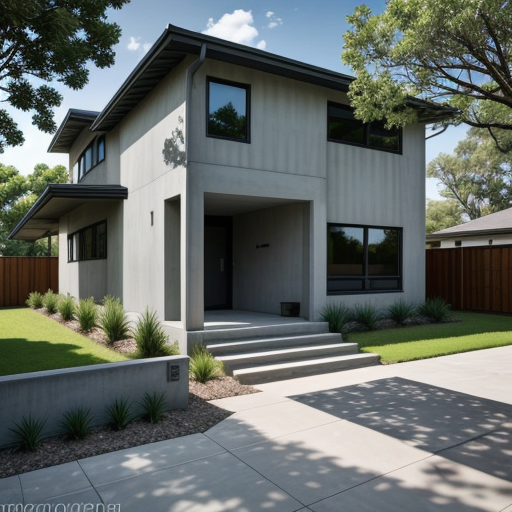
Water conservation is another crucial aspect. Implementing systems such as low-flow fixtures, dual-flush toilets, and rainwater harvesting can help reduce unnecessary water usage. Xeriscaping, a landscaping technique that involves drought-resistant plants, can further aid in cutting down water consumption outside the home.
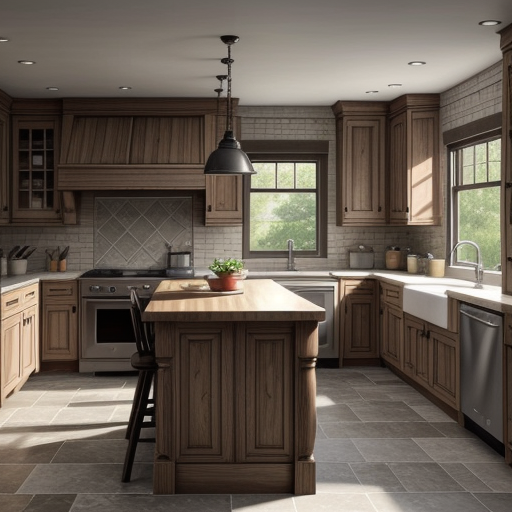
Materials used in home construction and interior design should also reflect sustainability. Opting for locally-sourced or reclaimed materials, as well as non-toxic and low-VOC paints and finishes, can diminish the environmental impact. These choices not only enhance the sustainability of the home but also improve indoor air quality, benefiting the health of its occupants.
Incorporating renewable energy sources like solar panels or wind turbines can further enhance sustainability by providing an alternative, clean energy source. Additionally, smart home technology enables homeowners to monitor and control energy usage with precision, optimizing energy efficiency further.
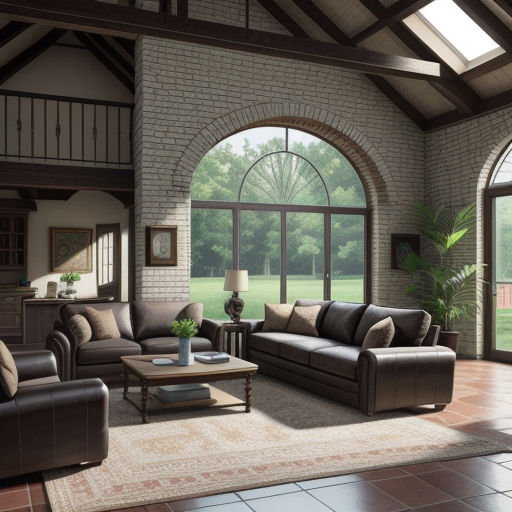
Finally, consider the orientation and design of your home to take advantage of natural light and passive heating and cooling. Properly positioned windows and shading solutions can maximize the benefits of natural light and heat, reducing the need for artificial lighting and air conditioning.
Embracing sustainability in home design not only contributes to a healthier planet but also results in a healthier and more cost-effective living environment. As a real estate agent, encouraging your clients to incorporate these sustainable practices can add value to their investment and appeal to a growing market segment that prioritizes ecological responsibility.