When it comes to homeownership, understanding your homeowner's insurance needs is a crucial step in protecting your investment. Home insurance is designed to safeguard your property against unforeseen circumstances, ensuring you have financial support in the event of damage or loss. Here’s what you need to know to effectively decode your home insurance requirements.
First, it's important to recognize the key components of a standard home insurance policy. Typically, these policies include coverage for your dwelling, personal property, liability protection, and additional living expenses should your home become temporarily uninhabitable. Be sure to verify that your policy covers these fundamental areas.
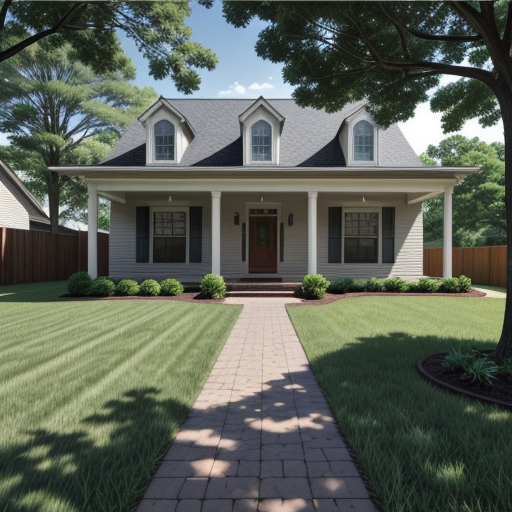
Your dwelling coverage is essential as it protects the structure of your home. This coverage should be enough to fully rebuild your home in the event of a total loss. Take into account factors such as construction costs and local property values when determining the appropriate amount for dwelling coverage.
Personal property coverage extends to your belongings, such as furniture, electronics, and clothing. Conducting a home inventory is a smart step to ensure your coverage is sufficient. Remember, certain high-value items like jewelry may require additional coverage.
Liability protection is another vital element. It covers legal and medical expenses if someone is injured on your property or if you accidentally cause damage to someone else's property. Ensuring you have adequate liability limits can protect you from significant financial loss.
Additionally, consider any regional risks. For example, if your home is in an area prone to flooding or earthquakes, you may need specific add-on policies, as standard home insurance typically doesn't cover these natural disasters.
It is advisable to review your policy annually. Life changes such as home renovations, acquiring valuable possessions, or changes in local construction costs can all necessitate adjustments to your coverage.
In conclusion, understanding your home's insurance needs involves assessing dwelling coverage, personal property protection, liability limits, and regional risk factors. Regularly reviewing and adjusting your policy ensures your home remains protected in the face of both expected and unexpected events.