In today's increasingly eco-conscious world, energy efficiency is more important than ever. Not only does improving the energy efficiency of your home save you money on utility bills, but it also enhances your property value and reduces your carbon footprint.
To begin, conduct an energy audit. This assessment will help you identify areas where your home is losing energy, from drafty windows to inefficient appliances. Many utility companies offer free audits, which can be a great starting point.
Once you have your audit results, prioritize insulation. Properly insulating your home is one of the most cost-effective ways to improve energy efficiency. Focus on key areas such as the attic, walls, and floors to prevent heat from escaping during winter and keeping it from entering during summer.
Next, consider upgrading to energy-efficient windows. Double-pane windows with low-emissivity coatings are highly effective at reducing energy loss. While the upfront investment can be significant, the long-term savings on heating and cooling costs make this a worthwhile endeavor.
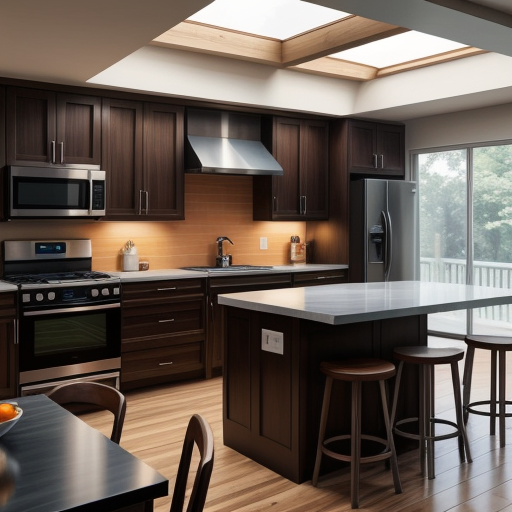
It's also crucial to switch to energy-efficient appliances and lighting. Look for the ENERGY STAR label when buying new products, as this certification ensures that appliances are designed to use less energy. Additionally, replacing traditional incandescent bulbs with LED lighting can significantly cut your electricity usage.
Another impactful step is to install a programmable thermostat. This device allows you to optimize your heating and cooling systems, ensuring that you are not wasting energy when you’re not at home. Smart thermostats take it a step further by 'learning' your schedule for optimal comfort and efficiency.
On the external front, consider adding solar panels to your home. This renewable energy source can dramatically reduce your reliance on traditional energy sources. Many governments offer incentives and tax rebates to offset installation costs, making this a financially viable option.
Finally, practice energy-conscious habits, such as unplugging devices that are not in use, regular maintenance of HVAC systems, and being mindful of water usage through low-flow showerheads and toilets.
By taking these steps, you will be well on your way to creating a more energy-efficient home, adding value to your property, saving on energy costs, and contributing positively to the environment.