The real estate landscape is constantly evolving, and one of the most significant factors influencing home values is the emergence of new developments. From residential complexes to commercial hubs, new projects can dramatically alter the dynamics of a neighborhood, impacting home prices in various ways.
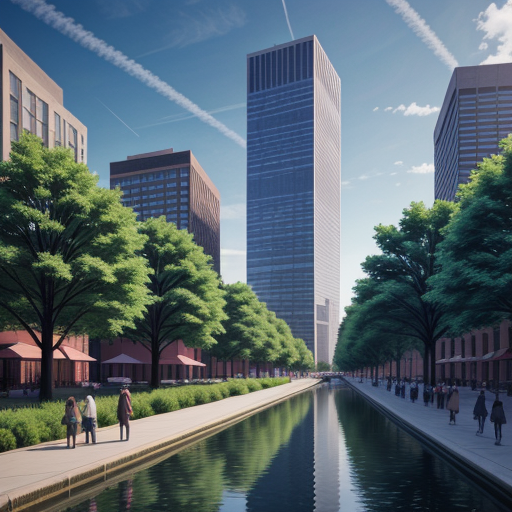
In general, new developments can lead to increased property values as they tend to attract new residents, businesses, and amenities, making the area more desirable. For instance, when a luxury apartment building or a retail center is built, it often boosts the overall allure of the neighborhood, prompting buyers to invest in homes nearby. This influx of demand can drive up home prices as the competition for limited housing options intensifies.
Additionally, new infrastructure improvements, such as roads, parks, and public transportation, can further enhance the appeal of an area. Improved accessibility often leads to a surge in demand, translating to higher property values. Homebuyers typically prefer neighborhoods with easily reachable public amenities and services, making these areas highly sought after.
However, it is essential to understand that not all new developments have a positive impact on home values. For example, the construction of low-income housing projects or industrial sites can sometimes lead to concerns about crime, traffic congestion, and changes in the neighborhood's character. These issues can dampen demand and potentially lower property values, showing that the type of development matters significantly.
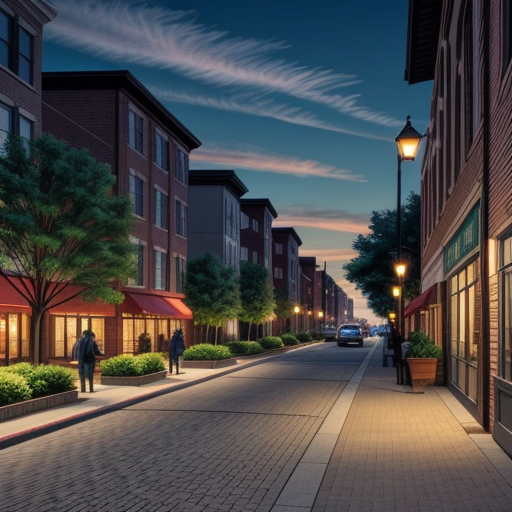
Real estate agents and prospective buyers should always analyze not just the developments but also the broader market trends. Neighborhoods that are undergoing revitalization, with a mix of residential and commercial projects, typically offer the best potential for appreciation in home values.
Moreover, zoning laws, the quality of the construction, and the reputation of the developers are critical components to consider. A luxury development in an upscale area might skyrocket home values, while poorly planned or executed projects can have the opposite effect.
In conclusion, the impact of new developments on home values is complex and multifaceted. As urban landscapes continue to shift, both buyers and real estate professionals must remain informed about emerging projects and trends. By understanding how new developments can influence the market dynamics, homebuyers can make informed decisions, ensuring their investments align with future growth potential and value appreciation.