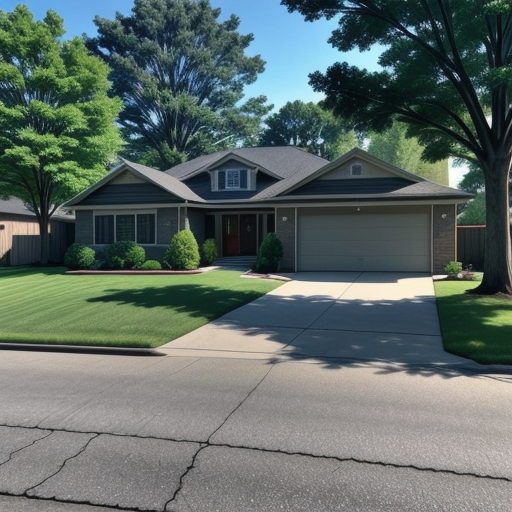
Purchasing a multi-family property can be an excellent investment, offering the potential for steady rental income and long-term financial growth. However, buying such a property requires careful evaluation and strategic planning. Here are key aspects to keep in mind:
1. Location and Neighborhood: The location of a multi-family property significantly influences its value and rental demand. A property situated in a desirable neighborhood with easy access to amenities, good schools, and transportation options will attract more tenants. Researching local crime rates and community development plans can provide further insight into the neighborhood’s appeal.
2. Financial Analysis: It's crucial to perform a comprehensive financial analysis before purchasing. This includes calculating the potential rental income, estimating regular expenses such as property taxes, insurance, and maintenance costs, and determining the net operating income (NOI). A thorough analysis will help in assessing the property's return on investment (ROI).
3. Property Condition and Maintenance: Evaluate the property's physical condition. Check for any structural issues, outdated systems (such as plumbing, electrical, and HVAC), and the overall need for renovations or repairs. Engaging a professional inspector can help identify potential red flags that could lead to costly repairs post-purchase.
4. Zoning and Regulations: Understand local zoning laws and regulations as they apply to multi-family properties. Ensure the property complies with all regulations and find out if there are any restrictions or forthcoming zoning changes that could impact its use or value.
5. Tenant Profile and Rental History: Take the time to review the existing tenant profile and rental history. This includes understanding the current lease agreements, the stability of tenancy, and any past issues with tenant turnover. A stable tenant profile often predicts steady rental income.
6. Market Trends and Cap Rate: Stay informed about local market trends, including vacancy rates and rental price changes. The capitalization rate (cap rate) is a critical metric for determining a property's potential return on investment. A higher cap rate may signify higher risks, so balancing potential returns with acceptable risk levels is essential.
7. Financing Options: Explore different financing options that are specific to multi-family properties. Working with lenders who specialize in real estate investment can provide competitive rates and terms. Being pre-approved for a mortgage can also streamline the buying process.
Investing in a multi-family property can be a profitable venture when approached with diligence and foresight. By carefully considering these aspects, you can enhance your chances of making a successful real estate investment.