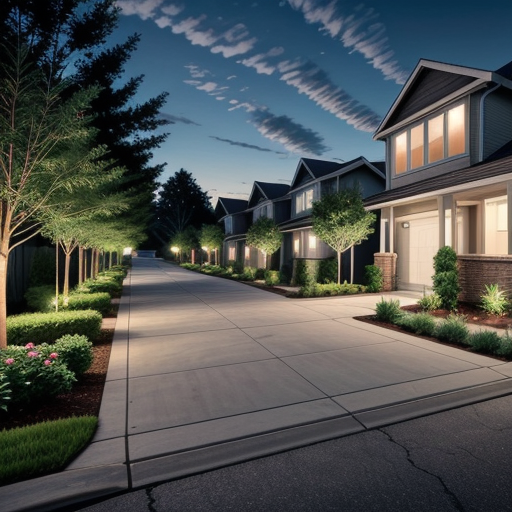
New developments have become a significant part of the real estate landscape, and their impact on home values cannot be overstated. As urban areas expand and evolve, new residential, commercial, and mixed-use projects emerge, leading to profound changes in the surrounding neighborhoods.
One of the most immediate effects of new developments is the increase in demand for housing. As new amenities, schools, and infrastructure are introduced, more buyers are attracted to the area, driving up property values. For example, the addition of a shopping center or park can enhance the appeal of a neighborhood, making it more desirable for potential homebuyers. Consequently, existing homeowners may see the value of their properties appreciate due to increased interest in the area.
In many cases, new developments also introduce modern housing options that appeal to various demographics. Developers often prioritize current market trends, leading to the construction of homes that meet the demands of today’s buyers. This can create competition within the market, which can elevate prices for both new and existing homes.
However, the impact of new developments is not uniformly positive. In some instances, rapid development can lead to overcrowding and strain on local resources, which may deter potential buyers. If a neighborhood becomes too congested or experiences a decline in quality of life, home values could suffer. Furthermore, gentrification is a critical issue that arises with new developments, where the influx of higher-income residents leads to rising property values and taxes that may push out long-term residents.
It’s also essential to consider the economic factors involved in new developments. Real estate markets are influenced by local job growth, economic stability, and interest rates. These elements interact with new projects and can either boost or dampen the potential rise in home values.
For real estate agents and homebuyers, understanding the dynamics of new developments is crucial. Keeping an eye on upcoming projects and analyzing their potential implications on property values can provide valuable insights. Additionally, it’s advisable to closely monitor any zoning changes, community plans, and developer reputation that may affect future market conditions.
In summary, new developments play a multifaceted role in shaping home values. By fostering greater demand and introducing modern amenities, they can significantly elevate property values in some areas. However, it’s also vital to consider the potential downsides, including overcrowding and gentrification, which may impact the long-term desirability of neighborhoods. Homebuyers and real estate professionals alike must keep these factors in mind when navigating a real estate landscape increasingly influenced by new developments.