In an era where sustainability and cost-saving measures are paramount, increasing your home's energy efficiency has never been more critical. From reducing utility bills to minimizing your carbon footprint, there are countless benefits to making your home more energy-efficient. Here are some effective strategies to help you enhance your home's energy performance and create a more comfortable living environment.
1. Upgrade Insulation
One of the most impactful ways to increase energy efficiency is by improving insulation. Attics, walls, and floors should be properly insulated to prevent heat loss during cold months and heat gain in summer. Use materials like fiberglass or cellulose for optimal insulation, and seal any gaps or cracks where air leaks can occur.
2. Install Energy-Efficient Windows
Replacing old windows with energy-efficient models can drastically change your home's energy consumption. Look for windows that have a high Energy Star rating and include features like double or triple glazing, Low-E glass, and thermal breaks to enhance insulation.
3. Utilize Smart Thermostats
Smart thermostats allow you to monitor and control your home’s heating and cooling systems remotely. They learn your schedule and can automate temperature adjustments, reducing energy consumption when you're not home. Investing in a smart thermostat can lead to significant savings on your energy bills.
4. Upgrade to Energy-Efficient Appliances
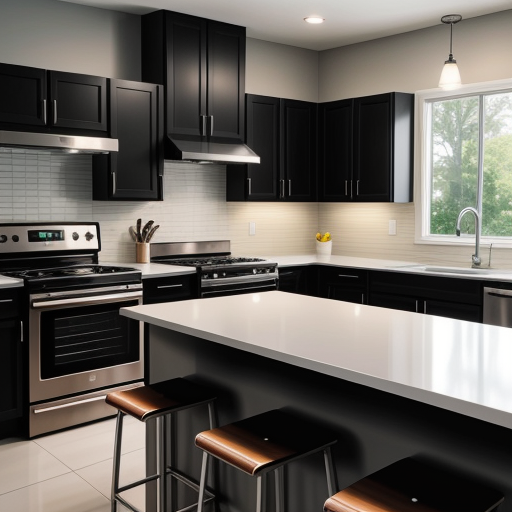
When it’s time to replace old appliances, choose energy-efficient models. Look for the ENERGY STAR label, which indicates that the product meets energy efficiency guidelines set by the U.S. Environmental Protection Agency. Energy-efficient appliances use less electricity and can significantly reduce your utility expenses over time.
5. Harness Solar Energy
Consider investing in solar panels to tap into renewable energy. With government incentives and decreasing installation costs, solar energy can cut your electricity bills and even provide additional benefits through tax credits. Consult with a professional to assess the feasibility and potential savings specific to your location.
6. Optimize HVAC Systems
Regular maintenance of your heating, ventilation, and air conditioning (HVAC) systems is crucial for energy efficiency. Schedule annual inspections, replace air filters regularly, and consider upgrading to a more efficient system if yours is outdated. Additionally, sealing ductwork can prevent air loss and maximize heating and cooling efficiency.
7. Adopt Energy-Saving Habits
Small changes in daily habits can also improve energy efficiency. Simple actions like turning off lights when leaving a room, using energy-efficient light bulbs, and unplugging devices when not in use can cumulatively make a significant difference.
Increasing your home’s energy efficiency is a worthy investment that pays off in numerous ways, from savings on energy bills to a more comfortable living space. By integrating these changes, you’ll not only make your home more eco-friendly but also increase its overall value in the real estate market.
As you embark on this journey toward energy efficiency, consult with local experts who can guide you through the available options and resources tailored to your specific needs. Remember, every little improvement counts!