In today's eco-conscious world, enhancing your home's energy efficiency is more important than ever. Not only does it reduce your carbon footprint, but it can also lead to significant savings on your utility bills. Whether you're preparing to sell your house or simply want to create a more sustainable living environment, here are some effective strategies to consider.
1. Upgrade Insulation: One of the most effective ways to improve energy efficiency is by ensuring your home is properly insulated. Insulation in the attic, walls, and floors can prevent heat loss during the winter and keep your home cooler in the summer. Adding insulation to these areas will not only enhance comfort but can also drastically reduce heating and cooling costs.
2. Seal Air Leaks: Air leaks around windows, doors, and utility openings can lead to unwanted drafts and energy loss. Use caulk to seal gaps and weatherstripping to ensure that doors and windows close tightly. This simple measure can help maintain a consistent indoor temperature, ultimately saving energy.
3. Invest in Energy-Efficient Windows: Replacing old windows with energy-efficient models can significantly impact your home's energy consumption. Look for windows with a high ENERGY STAR rating which typically come with features like double glazing and low-emissivity glass that minimize heat transfer.
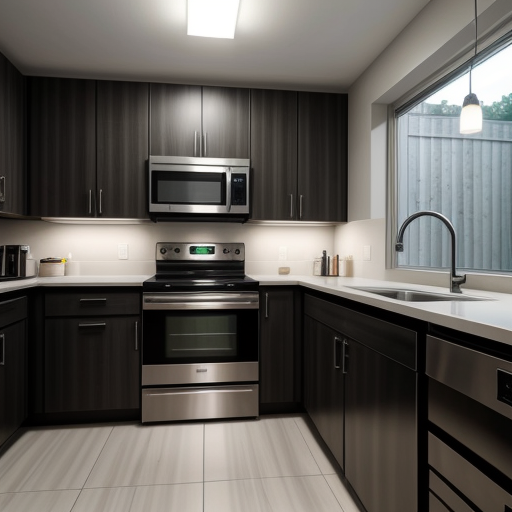
4. Upgrade to Energy-Efficient Appliances: When it's time to replace old appliances, consider investing in energy-efficient models. Look for the ENERGY STAR label, which indicates that the product meets energy efficiency guidelines set by the U.S. Environmental Protection Agency. These appliances can result in lower utility bills and often come with added features that enhance usability.
5. Utilize Smart Home Technology: Integrating smart home devices can also contribute significantly to energy savings. Smart thermostats, for instance, optimize heating and cooling schedules based on your lifestyle, ensuring that energy isn't wasted when you're not at home. Additionally, smart lighting can adjust based on occupancy, further helping to conserve energy.
6. Consider Renewable Energy Sources: If feasible, look into installing renewable energy sources such as solar panels. While this might require an upfront investment, the long-term savings on energy bills and potential tax incentives can make it a financially sound decision. Plus, using renewable energy sources reduces reliance on fossil fuels and lowers your overall environmental impact.
7. Regular Maintenance: Finally, don’t forget the importance of regular maintenance. Schedule annual check-ups for your heating and cooling systems, clean filters, and keep ducts free of obstructions. Proper maintenance ensures systems run efficiently, preventing energy waste.
By implementing these strategies, you can make significant strides towards a more energy-efficient home. Not only will you enjoy a more comfortable living environment, but you may also enhance your home’s marketability should you decide to sell in the future. Energy efficiency is a worthwhile investment that benefits both the homeowner and the planet.