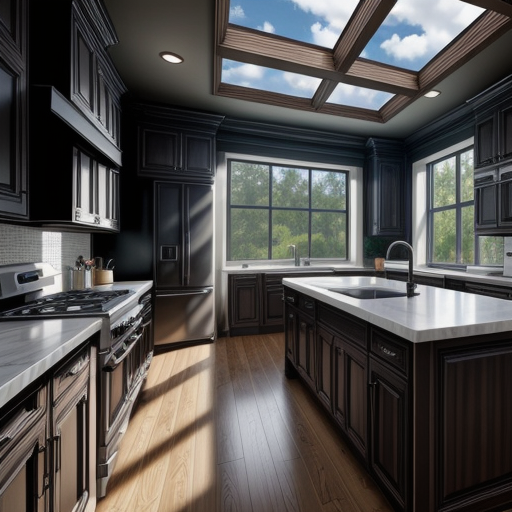
In today's environmentally conscious world, enhancing your home's energy efficiency is not only beneficial for the planet but also for your wallet. By adopting energy-efficient practices, homeowners can significantly reduce their utility bills and increase their property's overall value. Here are several effective strategies to improve the energy efficiency of your home.
-
Seal and Insulate: One of the most straightforward ways to improve energy efficiency is by ensuring your home is properly sealed and insulated. Start by examining doors, windows, and any other potential areas where drafts may occur. Utilize weather stripping and caulk to seal these areas. Additionally, consider upgrading your insulation in the attic and walls to maintain a comfortable indoor temperature.
-
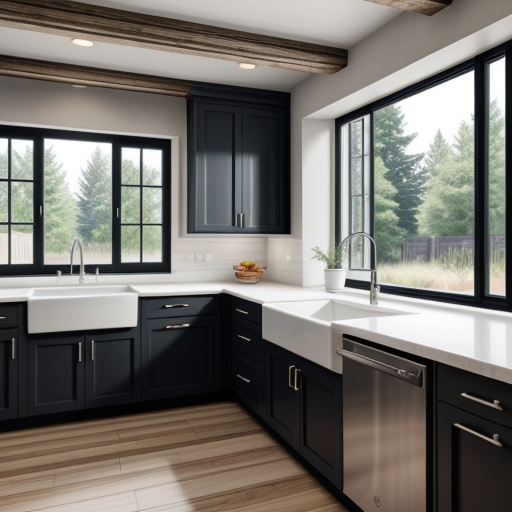
Upgrade to Energy-Efficient Windows: Investing in energy-efficient windows can make a noticeable difference in reducing energy loss. Look for windows with double or triple glazing, low-emissivity coatings, and thermal insulation properties. These windows help to keep the heat in during the winter and out during the summer, significantly reducing your dependence on heating and cooling systems.
-
Install a Programmable Thermostat: A programmable thermostat is a smart investment that allows you to control your heating and cooling systems more efficiently. By automating temperature settings based on your schedule, you can ensure that energy is not wasted on heating or cooling an empty home.
-
Switch to LED Lighting: Replace incandescent bulbs with LED lighting, which uses significantly less energy and lasts much longer. LEDs provide high-quality illumination and are available in various colors and styles to suit your home's decor.
-
Optimize Appliance Use: Energy-efficient appliances can greatly reduce your home's energy consumption. When purchasing new appliances, look for the ENERGY STAR label, which certifies that the product meets energy efficiency guidelines. Consider upgrading older appliances to more energy-efficient models for additional savings.
-
Utilize Renewable Energy Sources: If possible, consider integrating renewable energy sources such as solar panels. While the upfront cost may be high, the potential savings on your energy bills, combined with potential tax incentives, can make it a worthwhile investment over time.
-
Conduct a Home Energy Audit: To understand where your home can improve in terms of energy efficiency, conduct a home energy audit. Whether performed by a professional or as a DIY project, an audit can reveal inefficiencies and guide you toward the most impactful upgrades.
By implementing these strategies, you can create a more energy-efficient living environment that not only helps conserve energy but also reduces operational costs. Such improvements can further increase the appeal and value of your home when it comes time to sell. Investing in your home's energy efficiency is an investment in both your financial future and the future of the planet.