Creating an effective property listing is crucial for attracting potential buyers and showcasing the unique features of a home. A well-written listing not only provides essential information but also engages readers, making them envision themselves in the space.
1. Start with a Captivating Headline
The title of your property listing should grab attention and pique interest. Use descriptive language that highlights the most appealing aspects of the property, such as its location, size, or unique characteristics. For example, instead of '3-bedroom house for sale,' try 'Charming Family Home with Spacious Backyard in Serene Neighborhood.'
2. Provide Detailed Descriptions
Once you have an enticing headline, it’s time to expand on the details. Focus on the property's key features including the number of bedrooms and bathrooms, square footage, architectural style, and any renovations or upgrades. Don’t forget to mention the outdoor space, garage availability, and additional amenities, such as a fireplace or energy-efficient appliances.
3. Highlight the Location
The location can be a significant selling point. Describe the neighborhood, nearby schools, parks, shopping areas, and access to public transportation. Emphasize the lifestyle benefits associated with living in that area, such as community events or scenic views. A great location can sometimes outweigh other property deficiencies.
4. Use Engaging Language
In your property listing, aim for a tone that is personable yet professional. Use vivid descriptive words to paint a picture for potential buyers. Phrases like 'sun-drenched living room' or 'inviting kitchen perfect for family gatherings' can evoke emotions and attract interest. Always ensure that the language is clear and concise to maintain readability.
5. Include High-Quality Photos
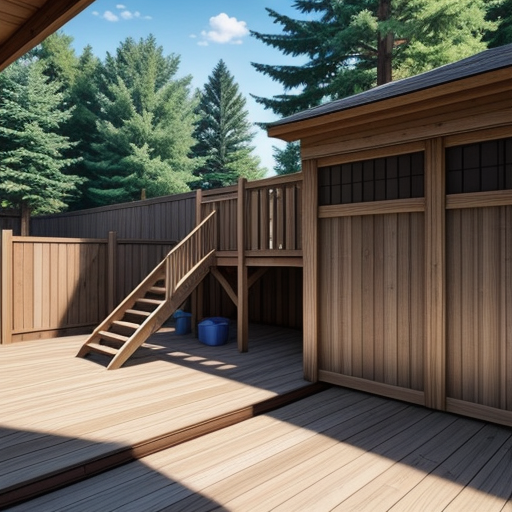
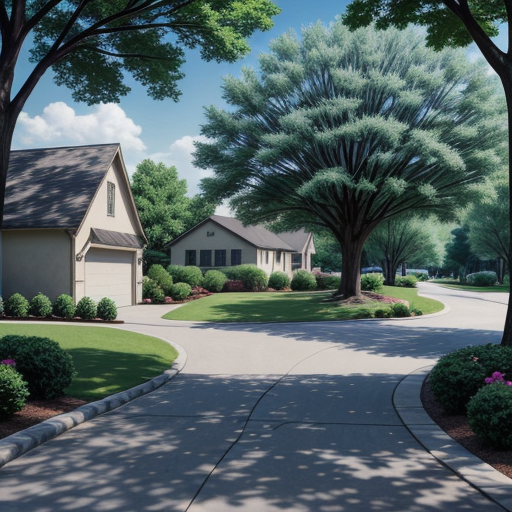
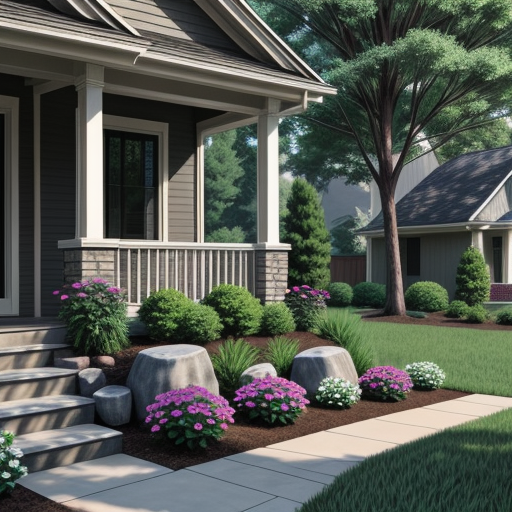
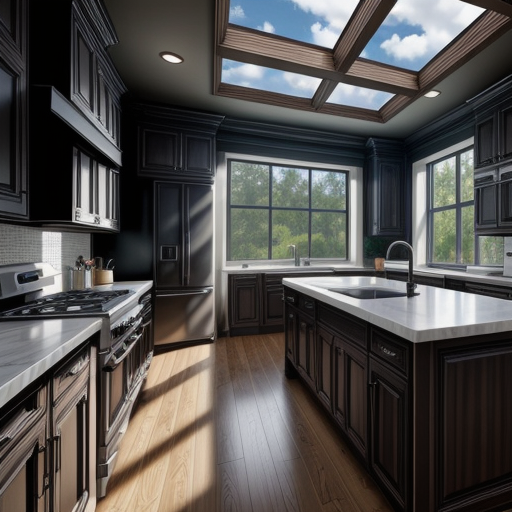
A picture is worth a thousand words— especially in real estate. Invest in professional photography to showcase the property in its best light. Ensure that images are well-lit and taken from various angles. Highlight key features and provide a virtual tour to give potential buyers a true sense of the space.
6. Be Transparent about the Price
Clearly listing the price is essential in any effective property listing. It helps to weed out uninterested buyers and attract those who are serious about making a purchase. Additionally, consider providing a breakdown of associated costs such as HOA fees or property taxes to give a clearer financial picture.
7. Call to Action
End your property listing with a compelling call to action. Encourage potential buyers to schedule a viewing, contact you for more information, or attend an open house. A strong ending can motivate them to take the next step.
In summary, writing an effective property listing involves a blend of informative detail, engaging language, and strong visual elements. By highlighting the property's best features and painting an attractive picture of the lifestyle it offers, you can increase your chances of making a quick sale.
Follow these guidelines to create a captivating and effective listing that draws buyers in and showcases the potential of every property.