Planning a home renovation can be an exciting pursuit, but it can also feel overwhelming, especially when it comes to managing your finances. Creating a realistic budget is crucial to ensure your renovation project goes smoothly and stays within your financial means. In this guide, we’ll walk you through the essential steps to develop a comprehensive budget for your home renovation.
-
Assess Your Current Financial Situation: Before jumping into your renovation plans, take a close look at your finances. Understand your income, savings, and any existing debts. This will provide a clear picture of what you can afford without stretching your finances too thin.
-
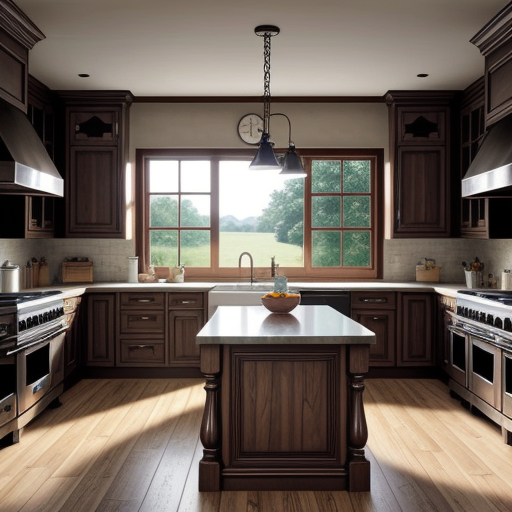
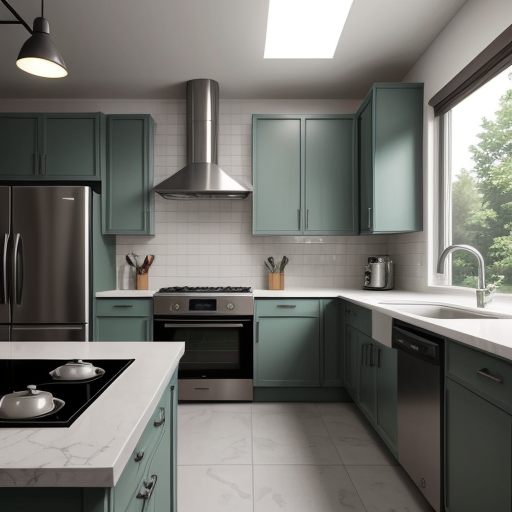
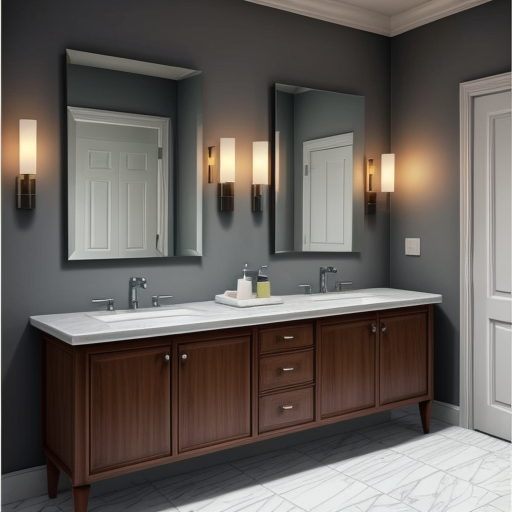
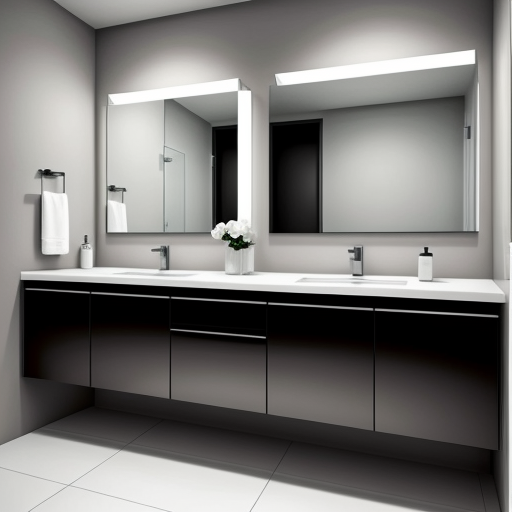
Define Your Renovation Goals: Clearly outline your renovation objectives. Whether it’s an updated kitchen, a bathroom remodel, or adding extra living space, having a specific vision will help you estimate costs accurately. Break each goal down into smaller projects for easier budgeting.
-
Research Costs: Conduct thorough research on renovation costs associated with your goals. Look for price ranges of materials, labor costs, and any additional expenses that may arise. It's wise to consult with contractors or visit local home improvement stores to gain a better understanding of pricing.
-
Allocate Contingency Funds: When creating your budget, it’s important to factor in a contingency fund, typically ranging from 10% to 20% of your overall budget. This will provide a financial cushion for unexpected expenses or changes throughout the renovation process.
-
Prioritize Your Renovation Elements: Not all aspects of your renovation will be equally important. Prioritize your plans based on necessity and impact. This can help you decide where to allocate more funds and which areas you may be able to cut back on without compromising your vision.
-
Establish a Timeline: Create a realistic timeline for your renovation project. This includes setting milestones for different phases of construction. A well-planned timeline allows for better cash flow management, helping you determine when payments will be due.
-
Review and Adjust Your Budget Regularly: Once your renovation is underway, keep a close eye on your budget. Track your spending regularly and compare it to your initial estimates. Be prepared to make adjustments as necessary. Maintaining open communication with your contractors can also help prevent unexpected costs.
In conclusion, creating a budget for your home renovation is a crucial step in the planning process. By assessing your finances, researching costs, and building in flexibility, you’ll be better equipped to manage your project effectively. With a solid budget in place, you can enjoy the journey of transforming your home with confidence and peace of mind.