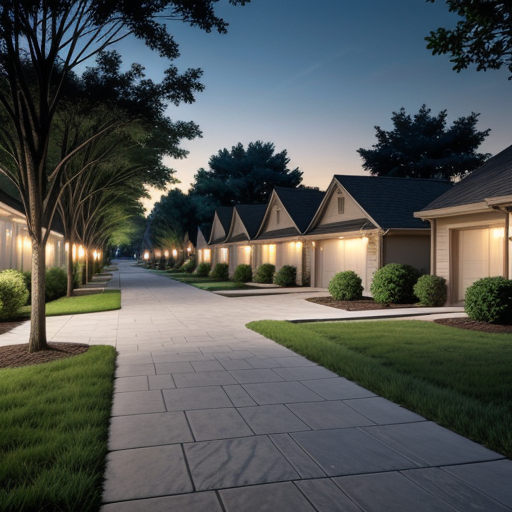
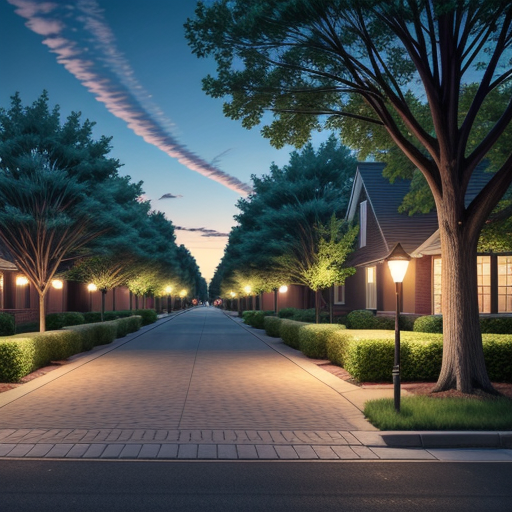
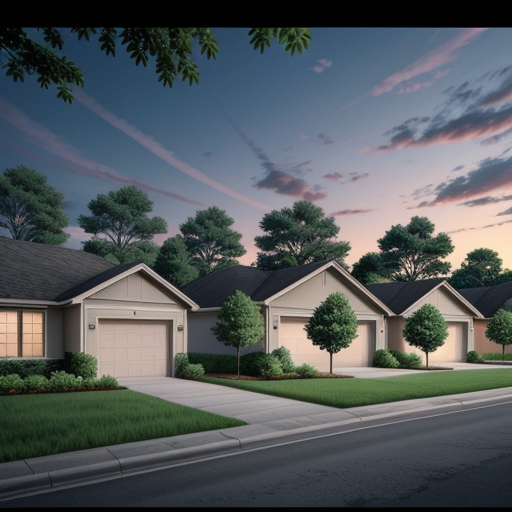
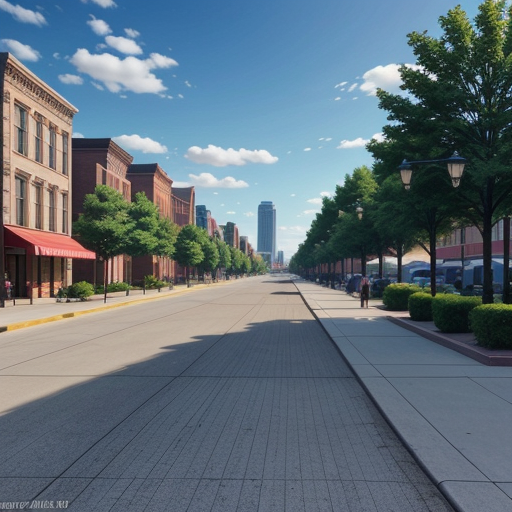
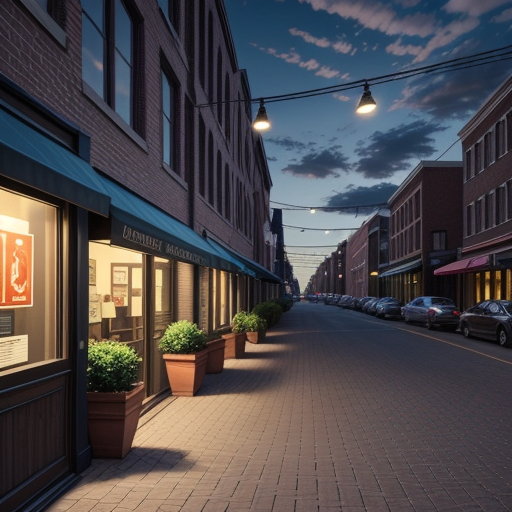
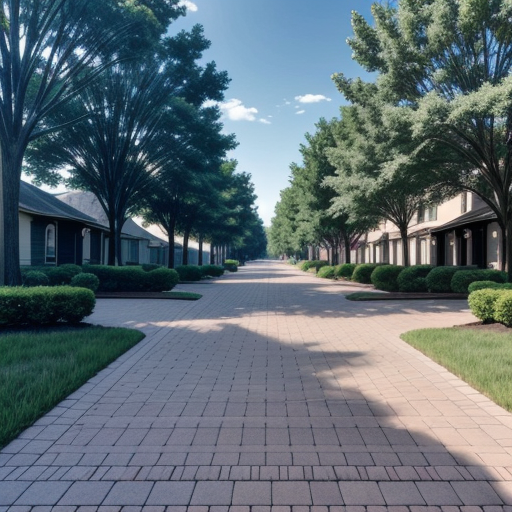
In today's real estate landscape, the emergence of new developments plays a crucial role in shaping property values. For potential homebuyers and investors, understanding how these new developments can affect home prices is essential for making informed decisions.
New infrastructure projects, such as roads, schools, and shopping centers, can significantly boost the desirability of a neighborhood. As a result, properties in proximity to these developments often experience an uptick in value. When a once-remote area becomes more accessible thanks to improved transportation links, it not only enhances convenience but also elevates the overall appeal of the region.
Moreover, residential and commercial developments can act as catalysts for property value appreciation. The introduction of contemporary housing complexes or business hubs can transform the local economy, attracting new residents and increasing demand for homes. As the population grows and thrives, so too does the value of the real estate market.
However, it is essential to consider potential downsides. Overdevelopment can lead to congestion, noise pollution, and strained local services, which could negatively impact home values. Striking a balance between growth and maintaining quality of life is key to sustaining property values long term.
For those eyeing prospective real estate investments, staying informed about upcoming projects in a target area can offer a strategic advantage. By analyzing development trends and understanding their probable impact, buyers and investors can better predict shifts in property values and seize opportunities accordingly.
In summary, while new developments bring a host of benefits that often lead to increased property values, it is important to assess both the positive and negative implications, ensuring that investments are aligned with long-term goals.