In recent years, the concept of energy-efficient living has gained momentum, with Passive House standards leading the charge. These standards provide a rigorous, voluntary certification system that significantly reduces a building’s ecological footprint. For potential home buyers and real estate agents alike, understanding Passive House principles can be an invaluable asset in navigating the eco-friendly housing sector.
The term 'Passive House' refers to a design methodology that emphasizes rigorous energy efficiency, resulting in homes that are incredibly well-insulated, airtight, and energy-conserving. Originating in Germany in the late 1980s, it's known as 'Passivhaus' in Europe and has since become a globally recognized standard.
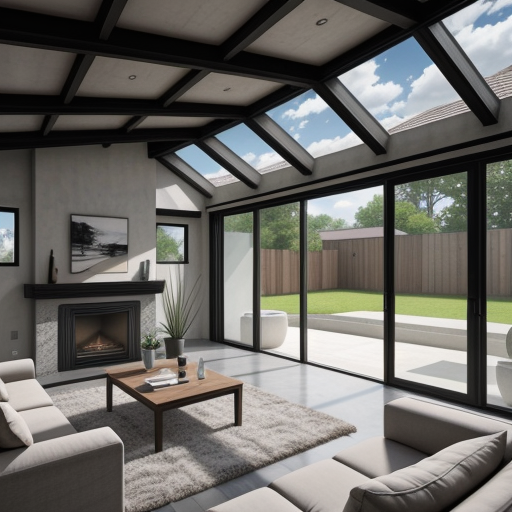
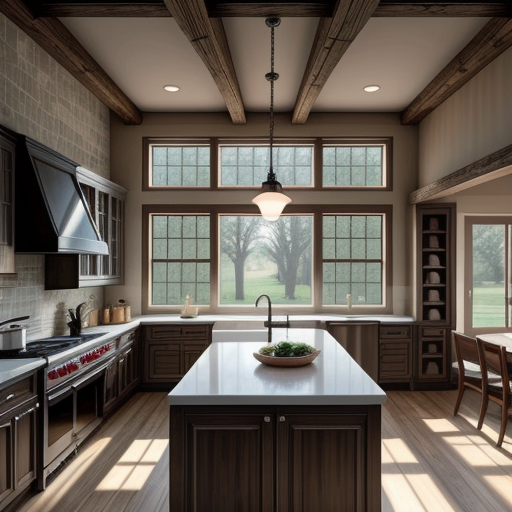
One of the core principles of Passive House design is minimizing the energy used for heating and cooling. This is achieved by optimizing the building envelope through superior insulation and eliminating thermal bridging. Windows are typically triple-glazed, allowing for optimal thermal performance and natural light.
Another key aspect is airtightness. A Passive House minimizes air leakage through meticulous construction techniques, which decreases drafts and enhances indoor comfort. An advanced ventilation system further aids in maintaining air quality by continuously exchanging indoor and outdoor air, and often integrates heat recovery mechanisms.
Moreover, Passive Houses harness passive solar gains—making strategic use of windows, shading, and building orientation to maximize sunlight admission and heat retention. By doing so, the reliance on mechanical heating systems is significantly reduced, presenting a sustainable advantage in the long term.
Real estate agents should educate their clients on the long-term benefits of purchasing or upgrading to a Passive House. This includes not just the obvious reduction in energy bills but also the improvement in indoor air quality and comfort. Homes built to Passive House standards are also more environmentally friendly, often achieving lower CO2 emissions compared to conventional structures.
For homebuyers, investing in a Passive House can mean higher resale values in the future. As energy efficiency continues to be a sought-after feature, properties adhering to these standards are poised to remain competitive in the market.
In conclusion, understanding Passive House standards is crucial for anyone involved in the modern real estate market. By adopting these principles, homeowners can enjoy substantial financial and health benefits, while contributing to a more sustainable future.