As an increasingly popular standard in energy-efficient construction, the Passive House (or Passivhaus) concept is gaining traction among eco-conscious homebuyers and builders. Understanding these standards can be advantageous for prospective homeowners interested in superior indoor air quality and reduced energy costs.
Originating in Germany, Passive House standards are a rigorous set of design and building criteria aimed at achieving maximum energy efficiency while enhancing comfort and sustainability. Key principles include airtight construction, high-performance windows, thermal insulation, heat recovery ventilation, and eliminating thermal bridges.
Airtight construction is fundamental to Passive Houses, preventing heat loss in winter and heat gain in summer. This aspect doesn't mean a lack of ventilation; rather, it ensures that air exchange is controlled, maintaining indoor air quality while minimizing energy wastage.
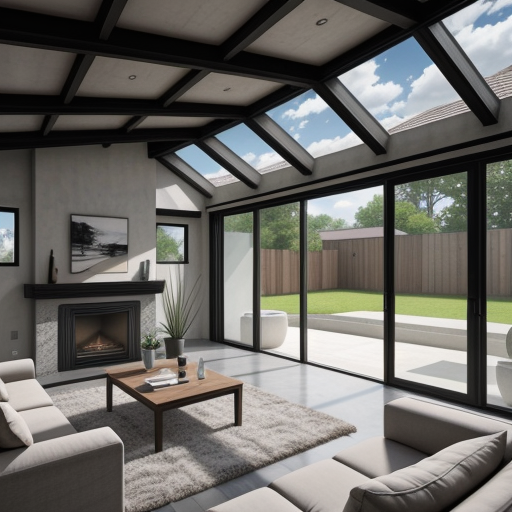
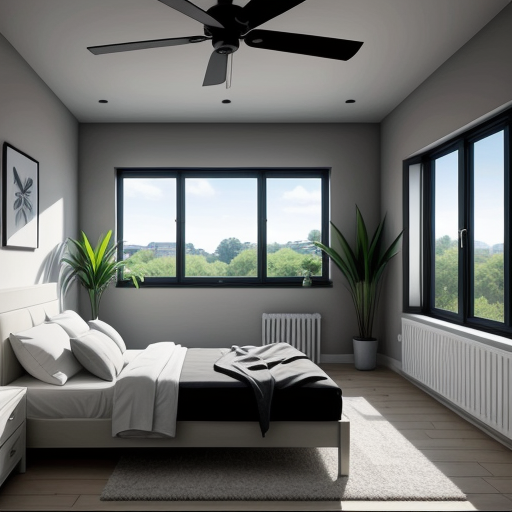
High-performance windows are another critical component, as they help maintain a consistent indoor temperature. Typically triple-glazed, these windows work to keep heat contained during colder months and block unwanted warmth during summer.
Thermal insulation plays a crucial role in a Passive House's efficiency. By enveloping the structure in a thick, insulated layer, heat retention is maximized, reducing the need for additional heating and cooling.
Heat recovery ventilation systems actively exchange indoor and outdoor air, efficiently reclaiming heat from outgoing air to warm the incoming fresh air. This process not only conserves energy but also ensures a consistent supply of fresh air, enhancing indoor comfort and health.
Finally, eliminating thermal bridges involves designing the building to prevent heat from escaping through structural elements, further ensuring energy efficiency.
While the upfront cost of building or retrofitting a home to Passive House standards can be higher, the long-term savings on energy bills and the added value to the property often offset this initial investment. For environmentally conscious buyers, the reduced carbon footprint is an additional crucial benefit.
Understanding these principles can equip homebuyers with the knowledge to make informed decisions, potentially leading to not only cost savings but also enhanced lifestyle quality. Consulting with a real estate agent familiar with energy-efficient homes can provide further benefits and insights.