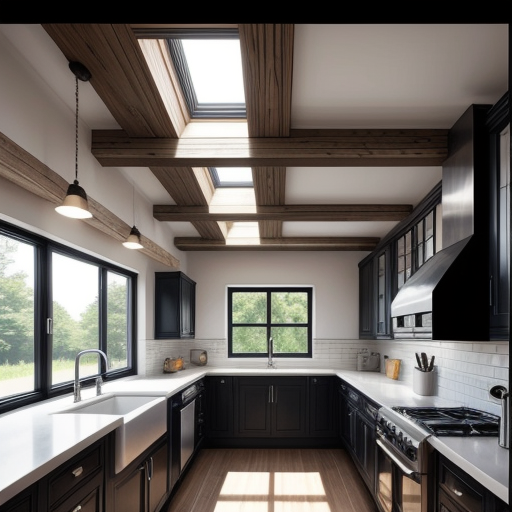
In today's environmentally conscious world, enhancing your home's energy efficiency is not just about saving money on utility bills—it's also about contributing to a sustainable future. Homeowners are increasingly seeking ways to reduce their energy consumption, and there are numerous strategies you can implement to make your home more energy-efficient. Here are some effective methods to consider:
-
Upgrade Your Insulation: One of the most effective ways to improve energy efficiency is to enhance your home’s insulation. Proper insulation in attics, walls, and floors can minimize heat loss in winter and keep your home cooler in summer. Consider materials like spray foam or fiberglass as effective options.
-
Invest in Energy-Efficient Windows: Windows can be a significant source of energy loss. Installing double or triple-glazed windows with low-emissivity (Low-E) coatings can help reduce heat transfer. Remember to also replace or repair worn-out weather stripping to prevent drafts.
-
Utilize LED Lighting: Switching from traditional incandescent bulbs to LED lighting can significantly decrease your energy usage. LED bulbs consume up to 80% less energy and last much longer, making them a smart investment in both sustainability and cost savings.
-
Install a Smart Thermostat: Smart thermostats allow you to control your home's temperature remotely and can adjust settings based on your schedule. This means you can reduce heating and cooling when you're away or asleep, resulting in reduced energy consumption.
-
Embrace Renewable Energy Sources: If feasible, consider investing in renewable energy sources such as solar panels. Not only do they reduce reliance on non-renewable energy, but they can also provide considerable savings on electricity bills in the long run.
-
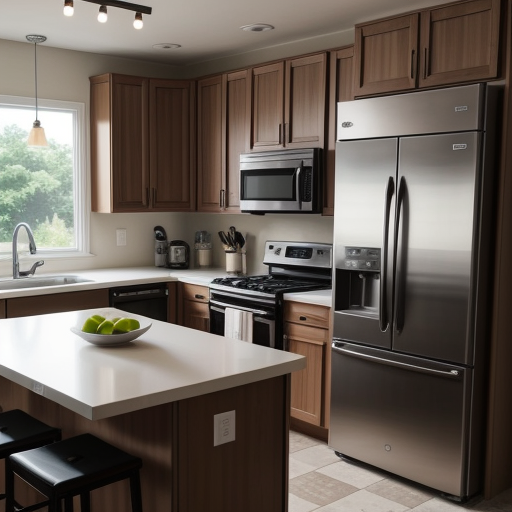
Upgrade to Energy-Efficient Appliances: When it’s time to replace old appliances, look for the ENERGY STAR label. These appliances meet strict energy efficiency guidelines set by the U.S. Environmental Protection Agency and can significantly lower energy usage.
-
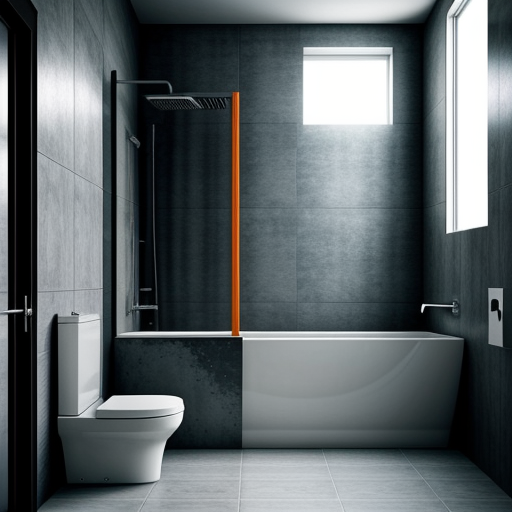
Implement Water-Saving Fixtures: Reducing water usage also contributes to energy efficiency, as heating water consumes energy. Install low-flow faucets, showerheads, and toilets to decrease water consumption and lower your energy costs.
-
Regular Maintenance: Ensure that your heating and cooling systems are well-maintained. Regular maintenance, such as changing filters and checking for leaks, can keep these systems running efficiently and extend their lifespan.
By implementing these strategies, you can not only reduce your energy bills but also enhance the comfort of your home and contribute to a more sustainable future. Take action today to improve your home’s energy efficiency and enjoy the numerous benefits that come with it.