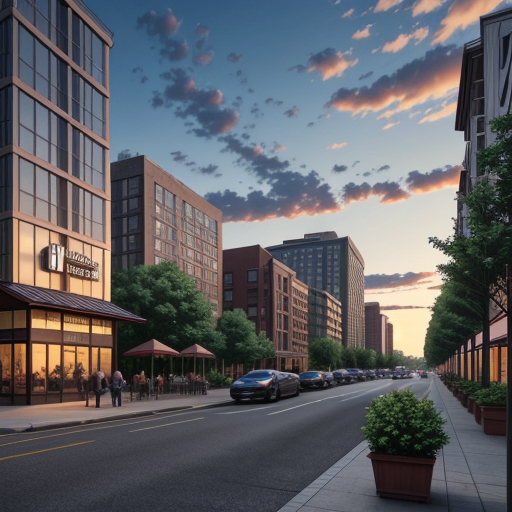
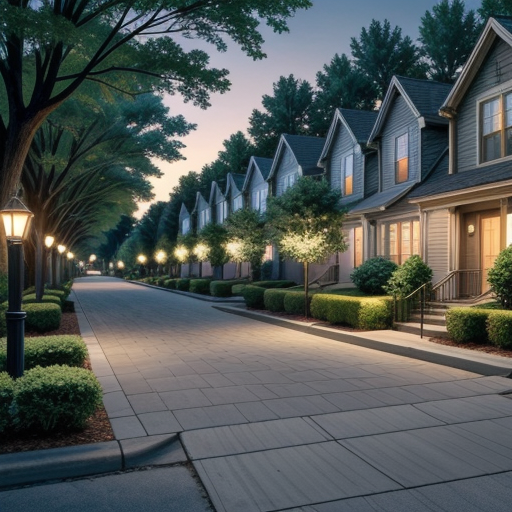
When it comes to understanding the dynamics of the real estate market, the introduction of new developments plays a pivotal role in shaping home values. With each new construction project, whether it's residential, commercial, or infrastructural, the surrounding area's economic landscape can experience significant shifts. This article delves into the various ways in which new developments impact property prices, offering insights critical for both home buyers and real estate professionals.
One of the primary effects of new developments on home values is the increase in demand. As new amenities, such as shopping centers, schools, parks, and public transport facilities are introduced, the area becomes more attractive to potential buyers. This surge in interest often drives up property prices, benefiting current homeowners and investors who stand to gain from appreciating property values.
Moreover, new developments can lead to improvements in the area’s overall infrastructure, positively influencing home values. Enhanced road networks, better public services, and improved utilities make a neighborhood more desirable. A well-connected area with robust public services often translates to heightened property values as buyers are typically willing to pay a premium for convenience and quality of life.
However, it is important to note that not all new developments result in an increase in home values. Overdevelopment, characterized by a surge of new properties hitting the market at once, can lead to an oversupply. When the supply of homes exceeds demand, prices may stagnate or even fall. Thus, the balance between supply and demand is crucial in determining the ultimate impact of new developments on home values.
Additionally, the nature of the development itself plays a significant role. High-quality, thoughtfully designed projects with sustainable features tend to enhance nearby property values as they promote a positive community image and living experience. Conversely, developments that may have negative impacts, such as increased traffic congestion or noise pollution, can diminish the desirability of a neighborhood, potentially leading to a decrease in home values.
In conclusion, while new developments can substantially influence home values, the effect varies depending on multiple factors such as area desirability, infrastructure improvements, market saturation, and the quality of the development projects themselves. For home buyers and real estate agents, keeping an eye on forthcoming developments can provide both opportunities and challenges within the real estate market.