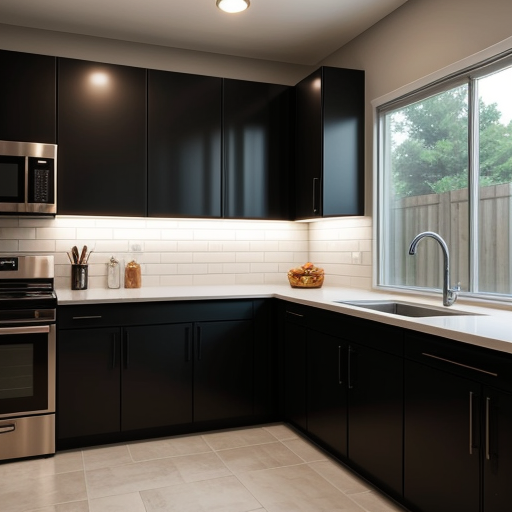
Flipping properties has emerged as a lucrative opportunity for those looking to invest in real estate and generate profits. However, it requires careful planning, financial acumen, and market knowledge. In this guide, we will explore the essential steps to successfully flip properties and maximize your returns.
Understanding Property Flipping
Property flipping involves purchasing a property, renovating or improving it, and then selling it for a profit. This strategy can be applied to various types of properties, including single-family homes, multi-family units, and commercial properties. The key to a successful flip is to buy low, invest wisely in renovations, and sell high.
Step 1: Research the Market
Before making any purchases, it's crucial to conduct thorough market research. Analyze the neighborhood you are interested in, focusing on factors such as property values, recent sales, and future development plans. Understanding local trends will provide valuable insights into where to invest and what type of properties are in demand.
Step 2: Create a Budget
Having a solid budget is vital for a successful property flip. Consider the purchase price, renovation costs, holding costs, and selling expenses. It’s important to leave room for unexpected expenses that may arise during the renovation process. A well-defined budget ensures you stay on track and avoid costly mistakes.
Step 3: Find the Right Property
Look for properties that are undervalued or in need of repairs. Distressed properties can often be purchased below market value, providing you with the opportunity to add value through improvements. Work with a real estate agent who specializes in investment properties to help you identify suitable candidates.
Step 4: Plan Your Renovations
Once you have acquired a property, it's time to plan your renovations. Focus on improvements that will attract buyers and increase your property’s resale value. Areas such as kitchens and bathrooms tend to yield the highest return on investment. Additionally, consider cosmetic updates like paint and landscaping to enhance curb appeal.
Step 5: Hire the Right Team
While some investors may choose to handle renovations themselves, hiring a reliable team of contractors can ensure quality work and save time. Look for professionals with experience in property flipping, and always check references and past projects. Clear communication and a structured timeline will help keep the project on schedule.
Step 6: Market Your Property
Once renovations are complete, it’s time to market your property for sale. Utilize high-quality photos and compelling property descriptions to attract prospective buyers. Listing your property on multiple platforms and, if possible, using social media can increase visibility and expedite the sales process.
Conclusion
Flipping properties can be a rewarding venture, but it requires strategic planning and execution. By conducting thorough research, creating a realistic budget, selecting the right property, planning smart renovations, and marketing effectively, you can turn a profitable property flip into a successful investment endeavor. With the right approach and a keen eye for opportunity, flipping properties can indeed lead to significant financial gains in the real estate market.