In an era where energy conservation is paramount, homeowners are increasingly seeking ways to enhance the energy efficiency of their residences. Not only does improving your home’s energy efficiency contribute to environmental sustainability, but it also leads to significant savings on utility bills and increased property value. Here are some effective strategies to consider.
1. Conduct an Energy Audit
Before you embark on your energy-efficient journey, it's advisable to conduct a thorough energy audit of your home. This assessment identifies areas where energy is wasted, such as leaks, inadequate insulation, or outdated appliances. You can hire a professional energy auditor or utilize online tools to help pinpoint specific improvements.
2. Upgrade Insulation
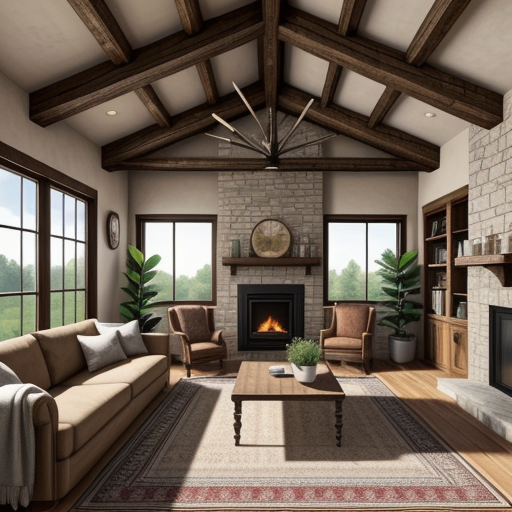
Proper insulation is crucial for maintaining a comfortable indoor temperature while minimizing energy consumption. Inspect your attic, walls, and floors for adequate insulation. If needed, consider upgrading to modern, high-performance materials that provide better thermal resistance. Improved insulation can help retain heat during winter and keep the home cool in summer.
3. Invest in Energy-Efficient Windows
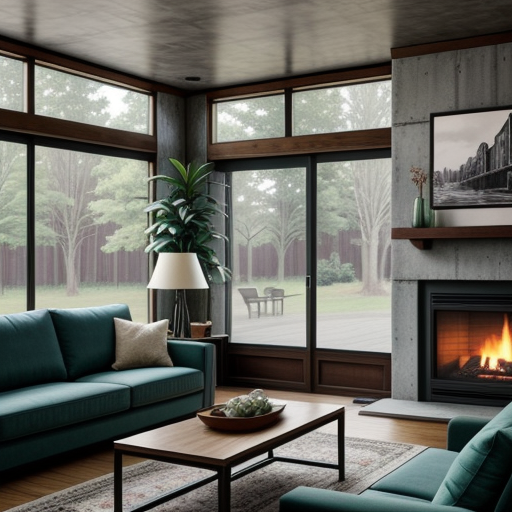
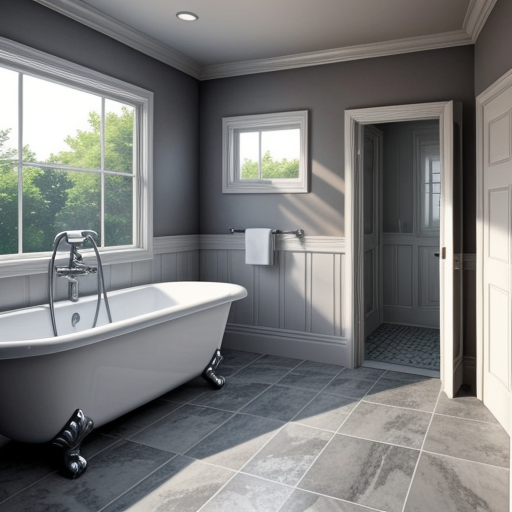
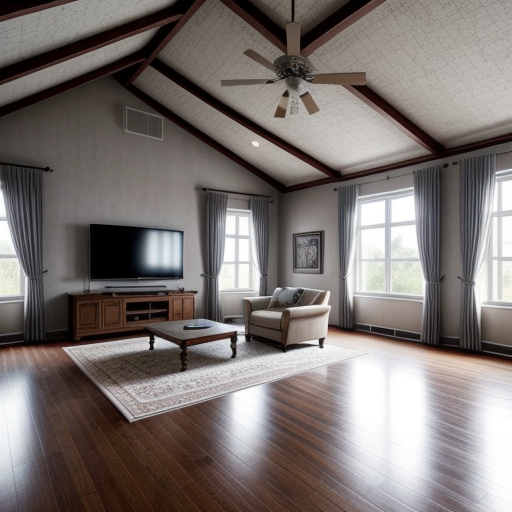
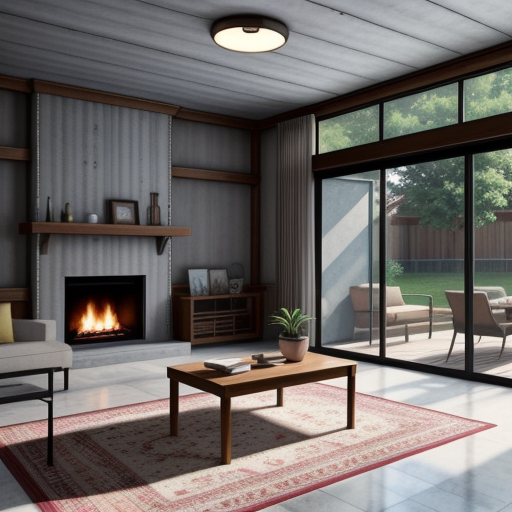
Windows can be a major source of energy loss if not properly installed or if they are outdated. Consider replacing old windows with energy-efficient models that feature double or triple glazing, low-emissivity (Low-E) coatings, and proper sealing. These windows help to keep indoor temperatures stable and reduce the reliance on heating and cooling systems.
4. Upgrade Your HVAC System
Heating, ventilation, and air conditioning (HVAC) systems account for a significant portion of a home’s energy expenses. If your system is over a decade old, it might be time for an upgrade. Look for ENERGY STAR certified systems that use advanced technology to maximize efficiency. Additionally, scheduling regular maintenance can optimize performance and prolong the lifespan of your HVAC system.
5. Utilize Energy-Efficient Appliances
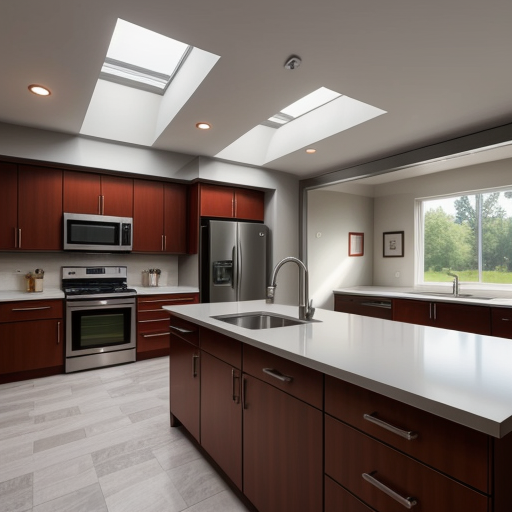
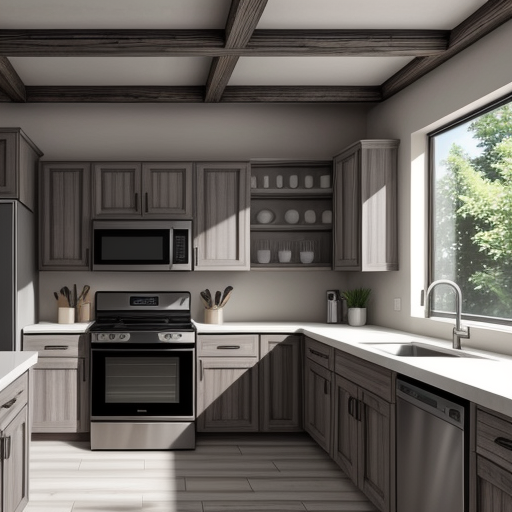
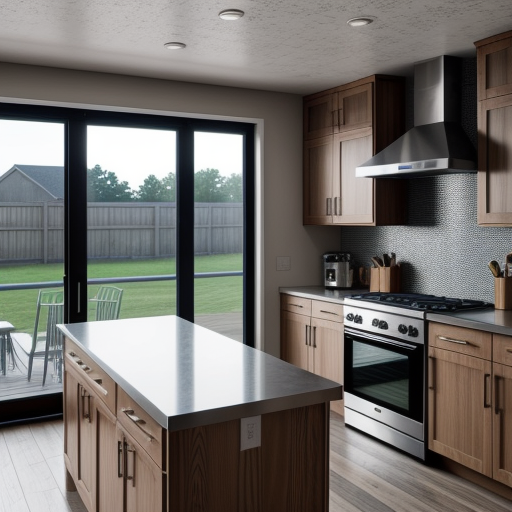
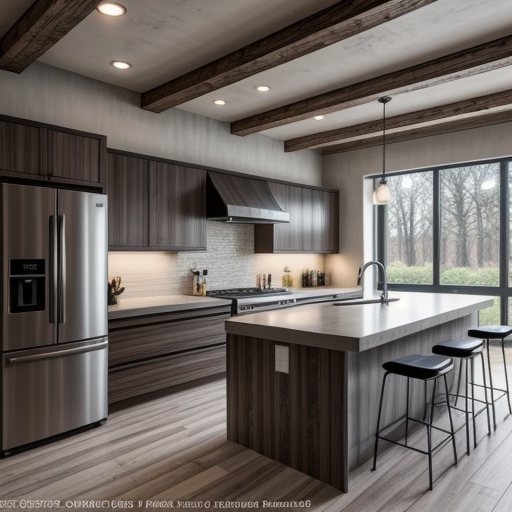
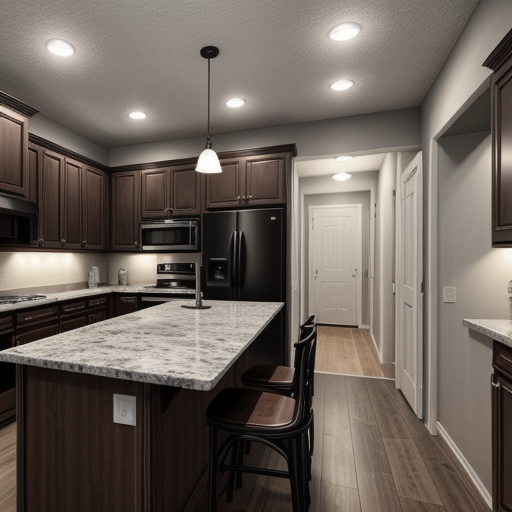
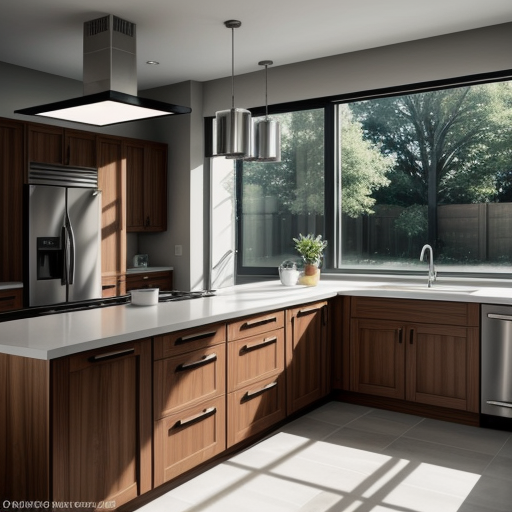
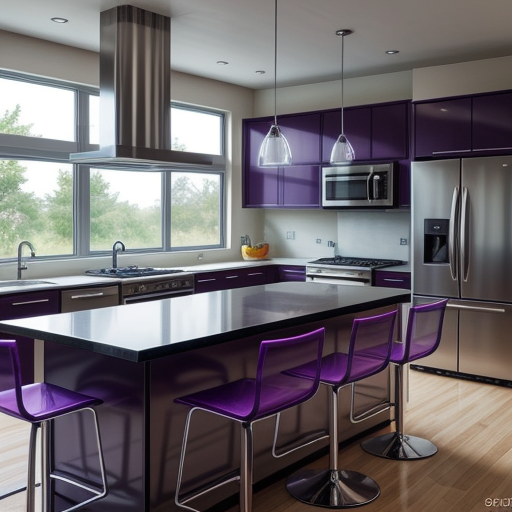
When it's time to replace appliances, choose energy-efficient models labeled with the ENERGY STAR certification. These appliances use less energy and water, leading to lower utility bills. Focus on high-impact appliances such as refrigerators, dishwashers, and washing machines, as they consume the most energy.
6. Embrace Renewable Energy
Consider investing in renewable energy solutions such as solar panels or wind turbines. These installations can drastically reduce your reliance on conventional energy sources, resulting in reduced utility costs and a lower carbon footprint. Additionally, many regions offer incentives for homeowners who invest in renewable energy projects.
7. Incorporate Smart Home Technology
Smart home technology can enhance energy efficiency by providing greater control over the home’s energy usage. Smart thermostats, lighting systems, and energy monitoring devices can help you manage consumption and reduce waste. In addition, these systems often allow for remote control, making it easier to adjust settings when you're not at home.
8. Landscape Strategically
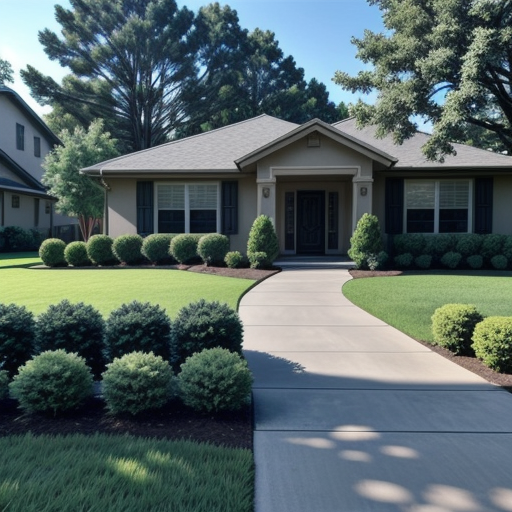
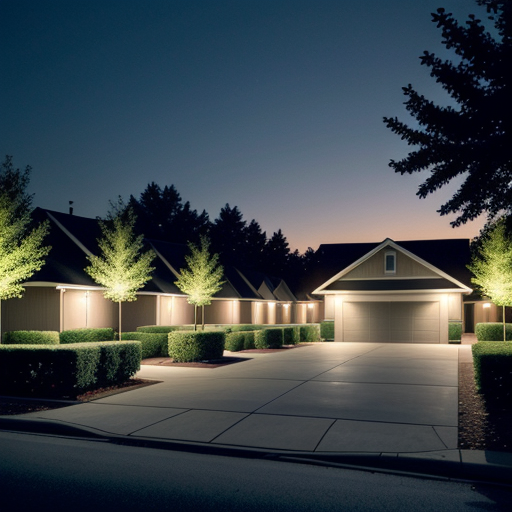
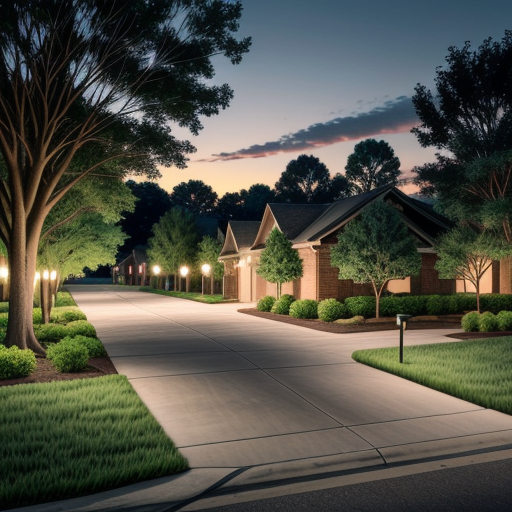
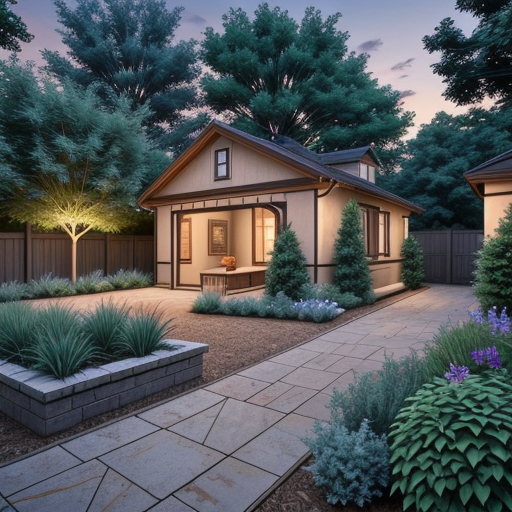
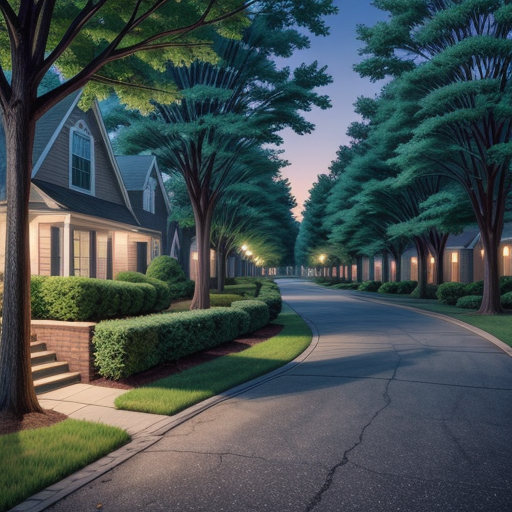
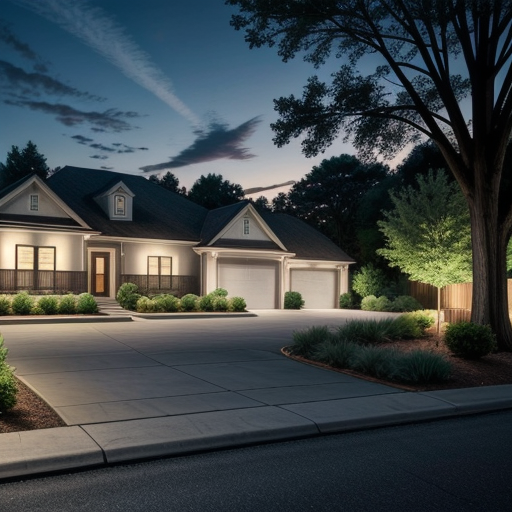
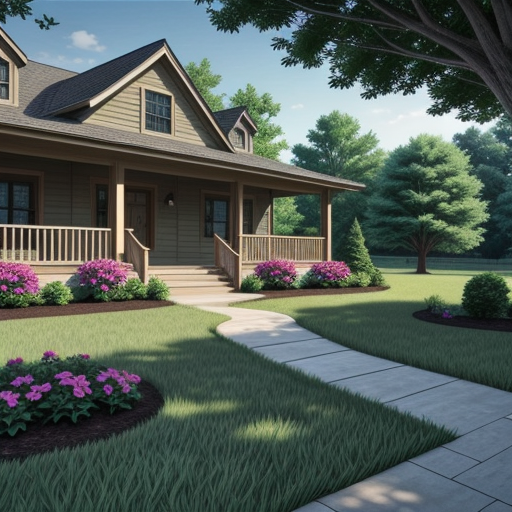
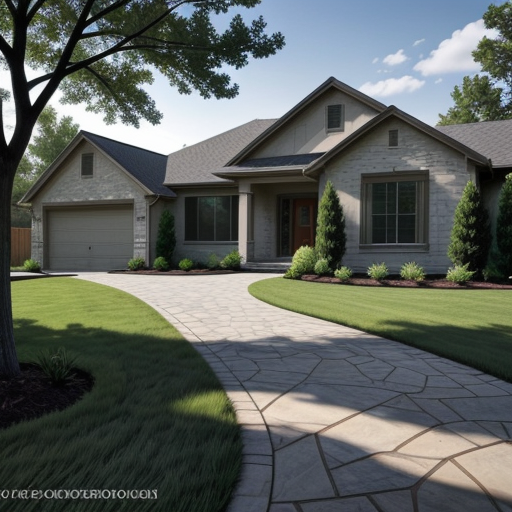
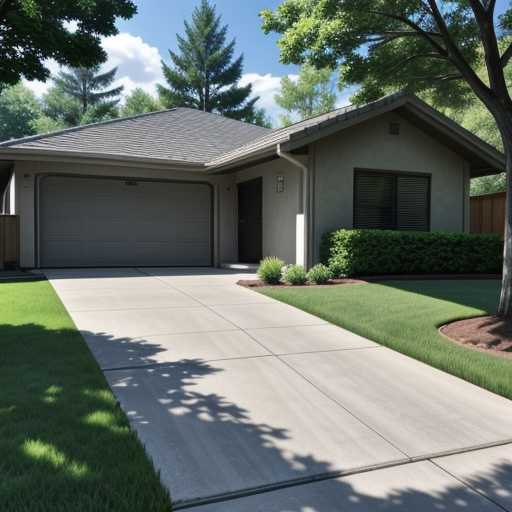
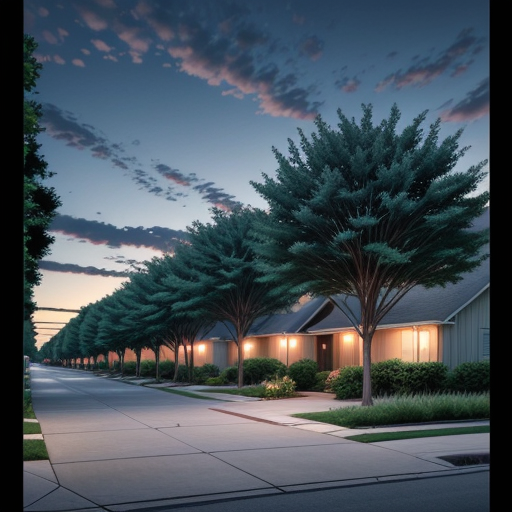
Finally, consider your home’s exterior features as part of your energy efficiency strategy. Planting trees or shrubs strategically can provide shade in the summer and windbreaks in the winter, reducing the need for heating and cooling. Furthermore, you might want to explore xeriscaping, which minimizes water usage while maintaining curb appeal.
In conclusion, increasing your home’s energy efficiency involves a combination of strategies that focus on insulation, appliances, systems, and smart technologies. By taking the time to implement these changes, you'll not only enjoy a more comfortable living environment but also realize long-term financial benefits and contribute positively to the environment. Start your journey toward a more energy-efficient home today!