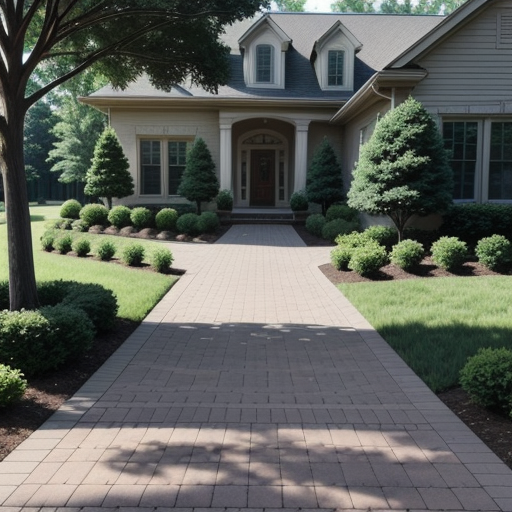
Investing in a vacation property can be an exciting opportunity, but understanding your financing options is crucial to making an informed decision. Just like any other real estate purchase, securing the right financing can impact your budget, returns, and overall investment strategy. In this article, we'll break down the various financing options available to help you make the best choice for your vacation home.
Conventional Mortgages
Conventional mortgages are the most common type of loan used to finance a vacation property. Typically, lenders require a larger down payment for a second home compared to a primary residence, often ranging from 10% to 20%. These loans offer fixed or adjustable rates and fixed-term options, making them a predictable choice for buyers. However, buyers should be aware that interest rates on vacation properties are generally higher than those on primary residences due to increased lender risk.
FHA and VA Loans
While Federal Housing Administration (FHA) and Veterans Affairs (VA) loans are popular for primary homes, they can also be utilized for vacation properties in certain circumstances. FHA loans require a smaller down payment—often as low as 3.5%—offering a more accessible option for some buyers. VA loans, available for qualifying veterans and active-duty service members, provide favorable terms, with no down payment required and lower interest rates. However, these loans are typically restricted to primary residences, so it's essential to clarify eligibility for vacation homes.
Home Equity Loans and HELOCs
Utilizing a home equity loan or a Home Equity Line of Credit (HELOC) from your primary residence can be an effective way to finance a vacation property. These options allow you to tap into the equity you've built up in your existing home to fund your vacation property purchase. Home equity loans provide a lump sum with a fixed interest rate, while HELOCs offer flexibility with a revolving credit line. Both options can have lower interest rates compared to traditional loans, making them appealing—but they do require careful financial planning and risk assessment.
Cash Purchase
For those fortunate enough to have sufficient cash reserves, purchasing a vacation home outright eliminates the need for financing entirely. A cash purchase can provide you a competitive advantage in the market, as it can expedite the buying process and make your offer more attractive to sellers. However, it’s vital to consider the potential opportunity cost of tying up cash that could be invested elsewhere.
Investment Property Loans
If you're looking to purchase a vacation property as an investment, you may want to consider an investment property loan. These loans can offer more favorable terms for properties that will generate rental income. Lenders generally require a larger down payment and may have stricter credit score requirements. However, they understand the potential rental income can be factored into your ability to repay the loan, making this a viable option for many buyers.
Conclusion
Understanding the financing options available for vacation properties is crucial for making a sound investment. While methods such as conventional mortgages, FHA and VA loans, cash purchases, and home equity loans provide various paths to ownership, the best choice will depend on your financial situation, creditworthiness, and investment goals. Working with a knowledgeable real estate agent and a financial advisor can ensure you explore the best financing solutions tailored to your needs. As the vacation rental market continues to grow, now is the perfect time to explore your options and secure your dream getaway.