In today's real estate market, energy efficiency has become more than just a trend; it is a significant factor that influences both the desirability and value of properties. Homebuyers are increasingly aware of the long-term benefits that energy-efficient home improvements can offer, not only to the environment but also to their wallets. Thus, investing in such upgrades can be a wise move for homeowners looking to sell their property or simply reduce their utility bills.
One of the most impactful energy-efficient upgrades is the installation of modern, insulated windows and doors. These not only enhance your home’s aesthetic appeal but also contribute to substantial energy savings. By minimizing drafts and maintaining the interior temperature, households can significantly reduce their reliance on heating and cooling systems, leading to lower utility costs.
Another valuable improvement is upgrading the home’s insulation. Many older homes are often inadequately insulated, which can lead to energy loss. Using materials like spray foam, fiberglass, or cellulose can significantly improve the insulating properties of a home, making it more comfortable and cost-effective throughout the year.
Installing a smart thermostat is a modern upgrade that optimizes your home's energy usage. These devices allow homeowners to control their home’s temperature remotely and even learn usage patterns to better schedule heating and cooling according to daily routines. This not only adds convenience but also promotes energy efficiency.
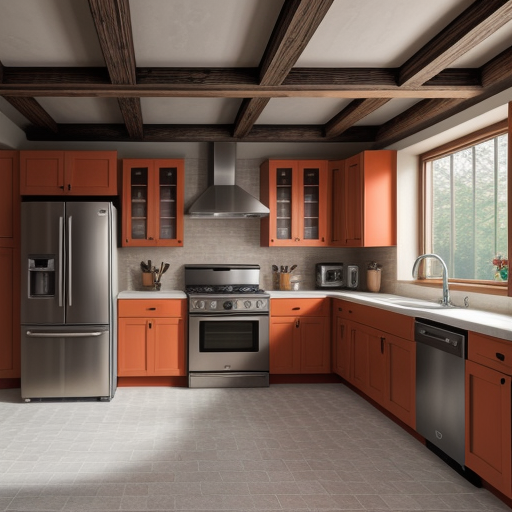
Replacing older appliances with energy-efficient models is another straightforward method to enhance a home's green credentials. ENERGY STAR-rated appliances, including refrigerators, dishwashers, and washing machines, use significantly less energy and water than their traditional counterparts while offering similar, if not superior, performance.
Solar panels exemplify a major shift towards sustainable home energy solutions. Although the initial investment may be substantial, solar panels can drastically cut energy expenses and contribute to higher property values, making them an attractive option for homeowners interested in long-term benefits and environmental conservation.
In conclusion, energy-efficient home improvements offer dual benefits: reducing a home’s carbon footprint and enhancing its market value. By prioritizing these upgrades, homeowners not only contribute positively to the environment but also position their homes as appealing, cost-efficient options for discerning buyers.