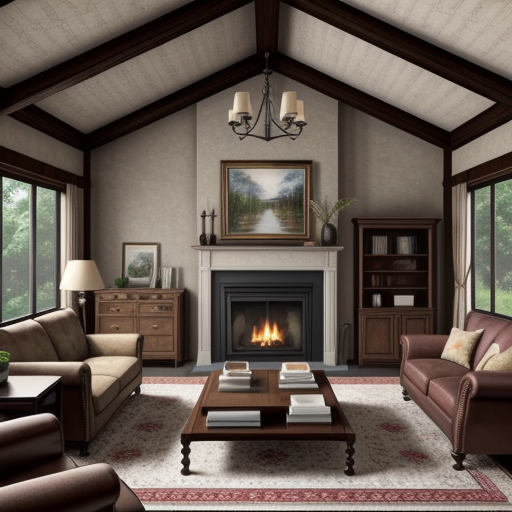
In today's environmentally conscious world, enhancing your home's energy efficiency is not just beneficial for your utility bills; it's also a matter of improving comfort and contributing to a sustainable future. Whether you are looking to lower your energy expenses or increase the value of your property, implementing energy-efficient upgrades can be a smart investment. Here are some effective strategies to boost your home’s energy efficiency.
1. Upgrade Insulation
Proper insulation is crucial for maintaining the temperature within your home. It helps prevent heat from escaping in the winter and keeps your home cooler in the summer. Inspect areas such as attics, walls, and basements, and consider adding insulation where necessary. High-quality insulation materials can significantly enhance your home’s energy efficiency.
2. Seal Drafts and Leaks
Drafts can be a major source of heat loss. Conduct a thorough inspection of your windows, doors, and any openings that might allow air to escape. Use weather stripping, caulking, or spray foam insulation to seal these gaps. This simple step can enhance your home’s energy efficiency and comfort level.
3. Invest in Energy-Efficient Windows
Windows play an essential role in your home's energy efficiency. Consider replacing older windows with energy-efficient models that have a high Energy Star rating. These windows come with advanced glazing technology and improved insulation, which helps reduce heating and cooling costs.
4. Upgrade to Energy-Efficient Appliances
If your appliances are older models, consider replacing them with energy-efficient ones. Look for appliances that are rated highly by Energy Star. This can lead to significant savings over time on your electricity bills and also gives your home a modern touch.
5. Enhance Heating and Cooling Systems
Maintaining your heating, ventilation, and air conditioning (HVAC) systems is crucial for energy efficiency. Schedule regular maintenance checks and consider upgrading to a smart thermostat, which allows for more precise control over your home’s climate. Additionally, regularly replacing air filters can ensure that your system runs efficiently.
6. Utilize Renewable Energy Sources
Consider incorporating solar panels into your home. Solar energy can dramatically reduce your dependence on conventional energy sources and lower your utility bills. Government incentives may be available to assist with the initial costs, making the transition more affordable.
7. Optimize Lighting
Switching to LED lighting can greatly reduce energy consumption. These lights use less electricity and have a longer lifespan compared to traditional incandescent bulbs. Additionally, make sure to take advantage of natural daylight whenever possible, as this reduces the need for artificial lighting.
In conclusion, enhancing your home’s energy efficiency is a proactive approach to saving money, increasing comfort, and reducing your carbon footprint. By following these tips, you can create a more sustainable living environment while boosting the overall value of your property. Always consider consulting with a real estate professional or energy auditor to identify the best options tailored to your home's specific needs.