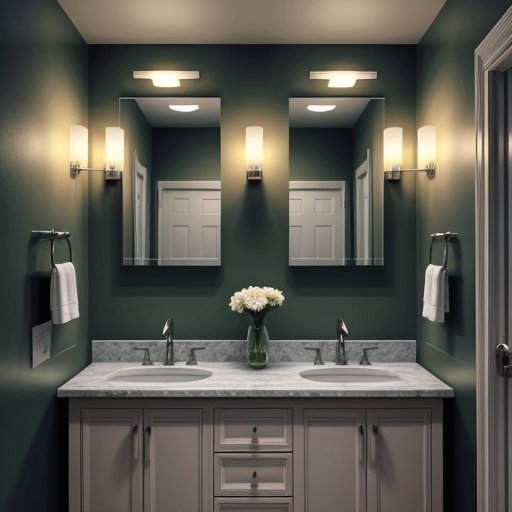
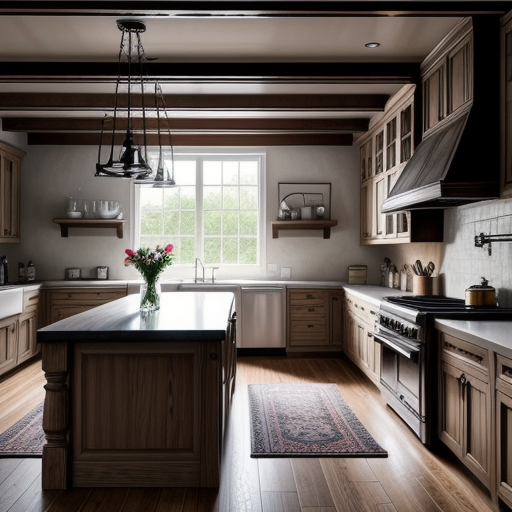
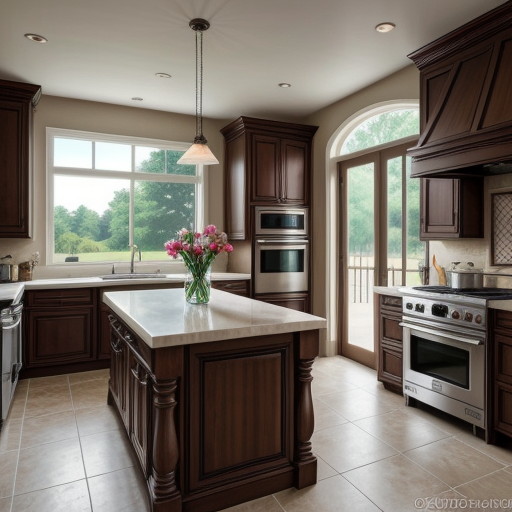
Purchasing a fixer-upper can be an enticing opportunity for homebuyers seeking a property with potential for customization. However, it's essential to weigh the pros and cons before making such a commitment. In this article, we will explore the various benefits and drawbacks of buying a fixer-upper to help you make an informed decision.
Pros of Buying a Fixer-Upper
-
Cost Savings: One of the primary advantages of buying a fixer-upper is the lower purchase price compared to move-in-ready homes. These properties often come with a significant discount, which can result in lower monthly mortgage payments and reduced property taxes. This cost saving provides an excellent entry point for first-time homebuyers or those looking to invest in real estate.
-
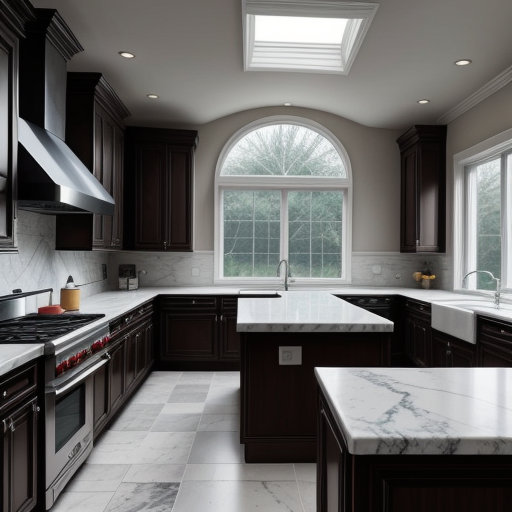
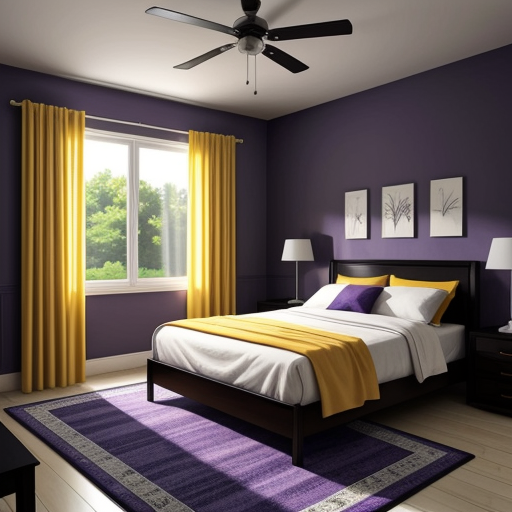
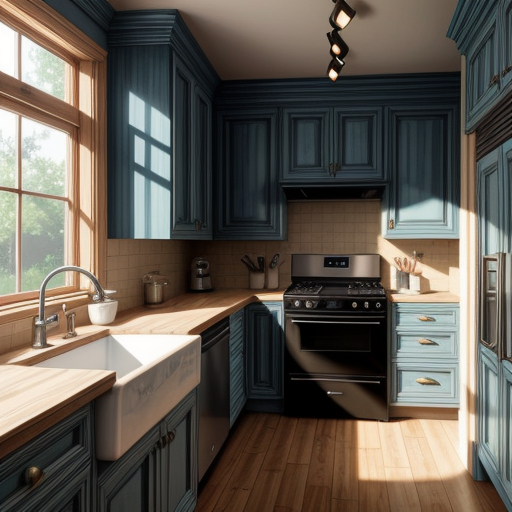
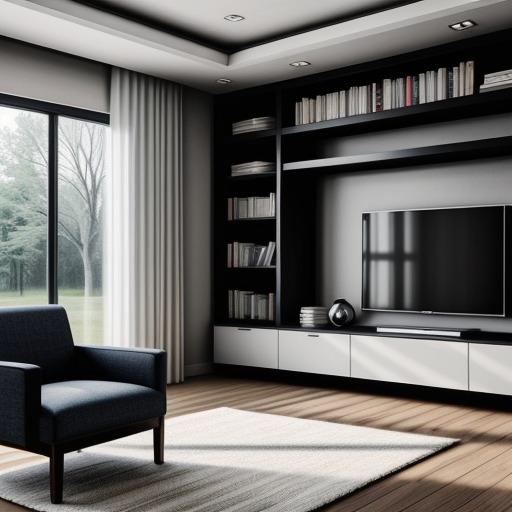
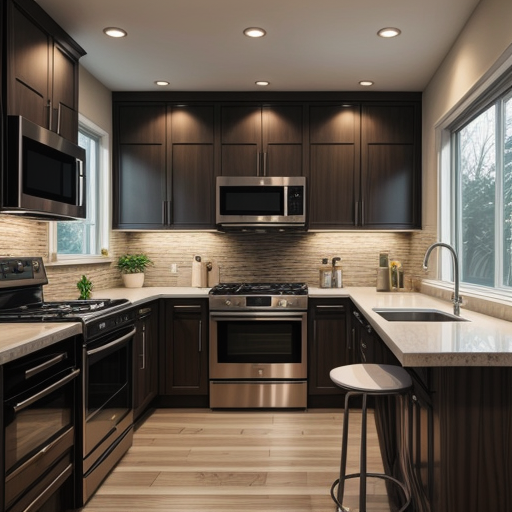
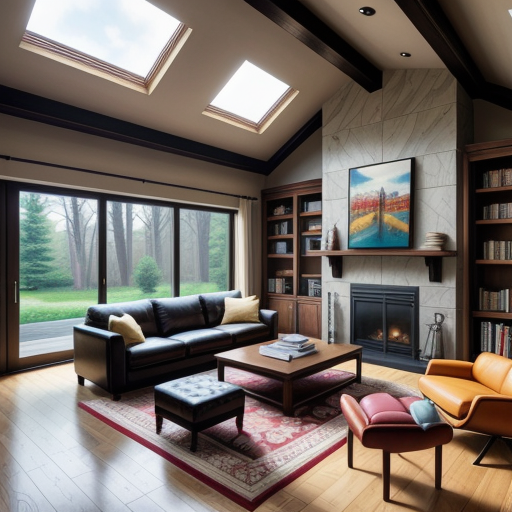
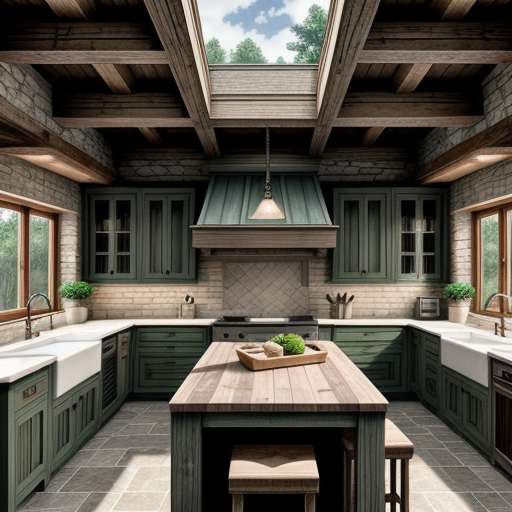
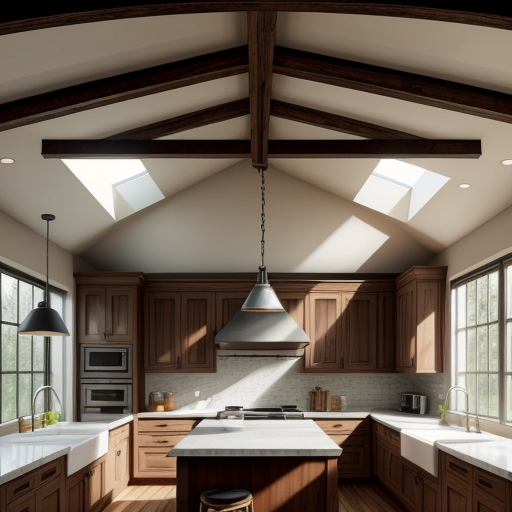
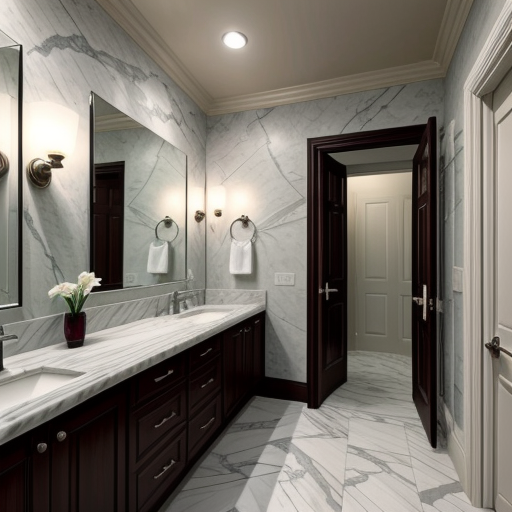
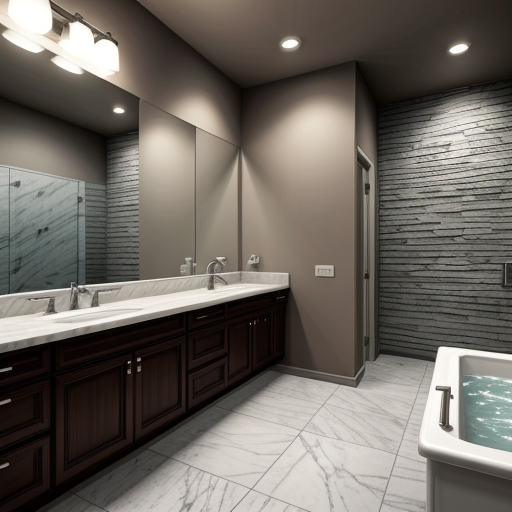
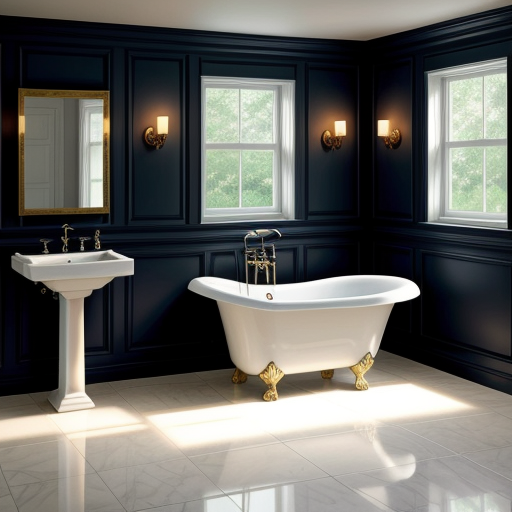
Customization Opportunities: Fixer-uppers offer the chance to design your dream home. Buyers have the freedom to choose finishes, layouts, and fixtures that match their preferences and lifestyle. This level of customization isn't always possible with turnkey homes, making fixer-uppers appealing for those with a creative vision.
-
Increased Equity: As you renovate and improve the property, its market value may increase, leading to a boost in equity. This can be beneficial if you plan to sell the home in the future or refinance to access better loan terms.
-
Learning Experience: Taking on a fixer-upper can be a valuable learning experience. You'll gain firsthand knowledge of the renovation process, which can be useful in future endeavors. It can also be a fulfilling project, especially if you enjoy hands-on work and problem-solving.
Cons of Buying a Fixer-Upper
-
Unexpected Costs: Renovations can often be more expensive than anticipated. Hidden issues, such as structural damage, outdated plumbing, or electrical systems, can lead to significant additional costs. Budgeting for such contingencies is essential to avoid financial strain during the renovation process.
-
Time-Consuming Renovations: Transforming a fixer-upper into your dream home requires time and effort. Renovations can take several months or even years, depending on the property's condition and the extent of the work needed. During this period, you may need to find alternative accommodation, adding to overall expenses.
-
Financing Challenges: Securing financing for a fixer-upper can be more complicated than for a move-in-ready home. Lenders might be hesitant to offer conventional mortgages due to the home's condition. Buyers may need to explore alternative financing options, such as renovation loans, which come with different terms and conditions.
-
Stress and Uncertainty: Managing a renovation project can be stressful and unpredictable. Delays, contractor issues, and unmet expectations can complicate the process and test your patience. It's crucial to be prepared for these challenges and have a contingency plan in place.
In conclusion, purchasing a fixer-upper presents both exciting opportunities and potential challenges. By carefully considering the pros and cons and assessing your ability to handle renovations, you can make a well-informed decision. With the right planning and support, a fixer-upper can transform into the perfect home tailored to your needs.