When considering home values, one key factor that often comes into play is the presence of new developments in the area. New residential projects, commercial spaces, and infrastructure improvements can significantly impact real estate prices and the overall desirability of neighborhoods. Understanding how these developments shape the market can be essential for both prospective buyers and current homeowners.
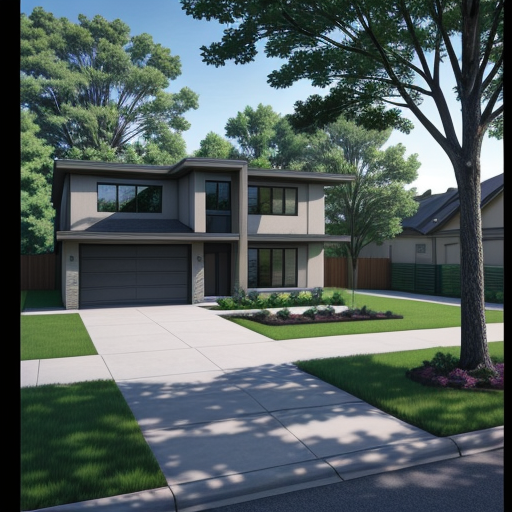
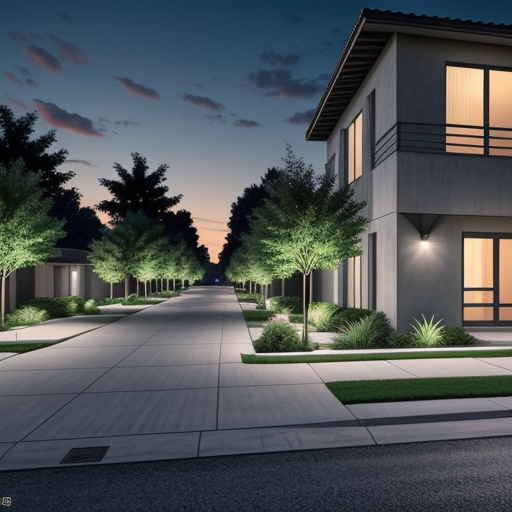
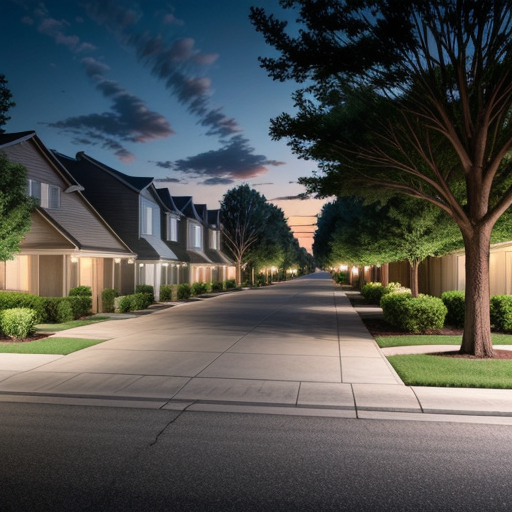
Firstly, new residential developments typically lead to an increase in home prices in the surrounding areas. As new homes are built, the supply of available properties increases, attracting more buyers. However, if the demand for housing in the area remains strong, this can result in higher price points not only for the new homes but also for existing ones nearby. Buyers often perceive new developments as a sign of investment in the community, which can enhance the overall appeal of the neighborhood.
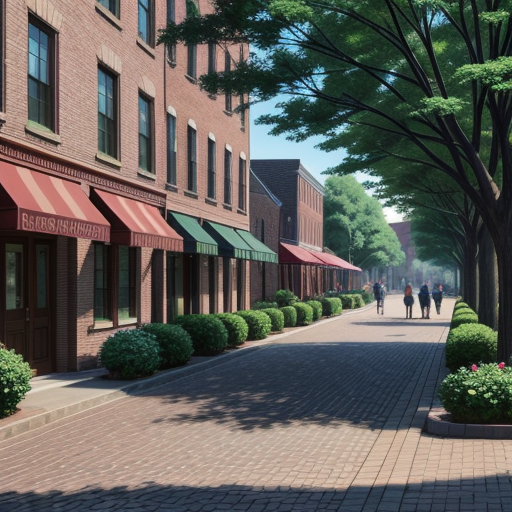
In addition to residential projects, the creation of commercial spaces, such as shopping centers, restaurants, and entertainment venues, can further elevate home values. These amenities provide convenience and foster community engagement, making the area more attractive to potential buyers. The prospect of living near work, retail, and leisure options can be a compelling selling point, ultimately driving up property prices.
Infrastructure improvements, such as new roads, public transportation options, and schools, also play a critical role in influencing home values. Enhanced accessibility can lead to a surge in demand from buyers, particularly those commuting to nearby cities for work. Improved infrastructure not only increases convenience but also encourages a stronger sense of community, making the area more desirable.
Of course, the impact of new developments on home values can vary significantly based on location and market conditions. In some cases, rapid development can lead to over-saturation, causing home prices to stagnate or decline if demand doesn't keep pace with supply. Therefore, it is essential for homebuyers and investors to conduct thorough market research and consider the long-term prospects of an area before making decisions.
In conclusion, new developments are one of the driving forces behind fluctuations in home values. Whether it's through the introduction of new homes, commercial spaces, or enhanced infrastructure, these projects play a crucial role in shaping local real estate markets. For anyone looking to buy or invest in property, understanding the influence of new developments can be a vital aspect of making informed decisions about their purchases.