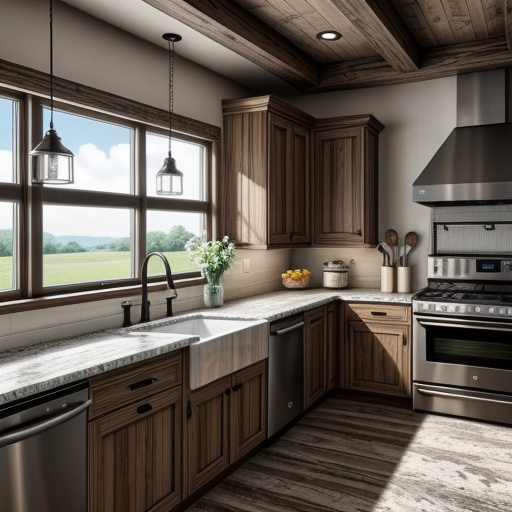
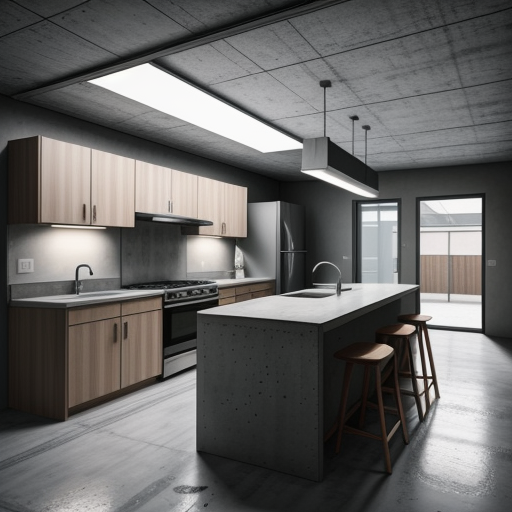
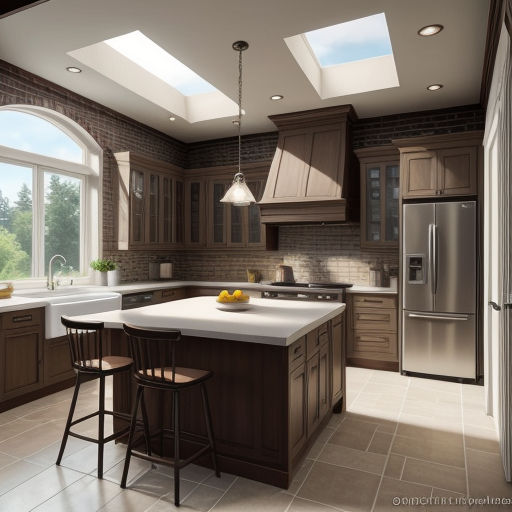
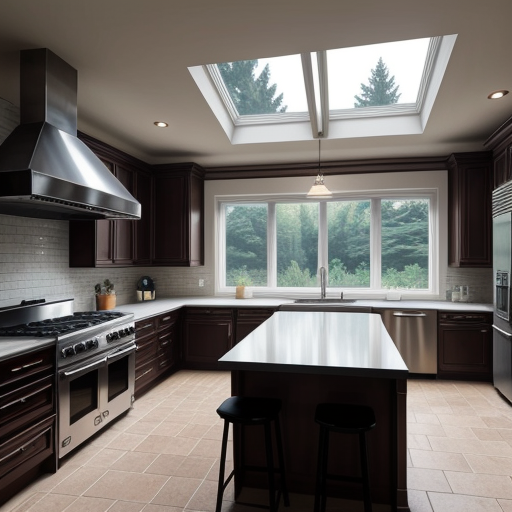
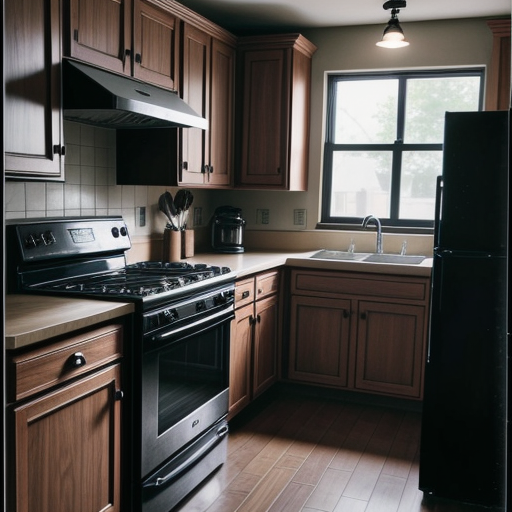
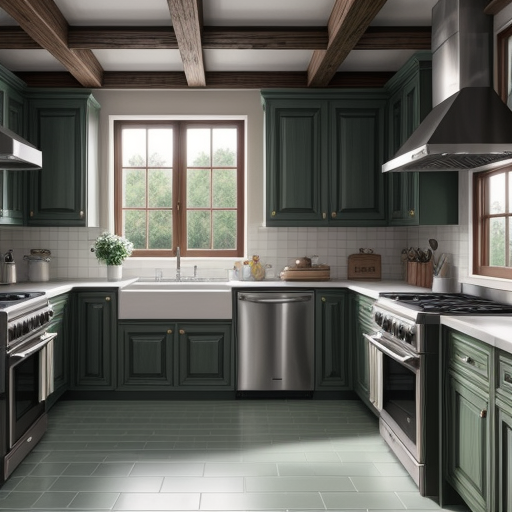
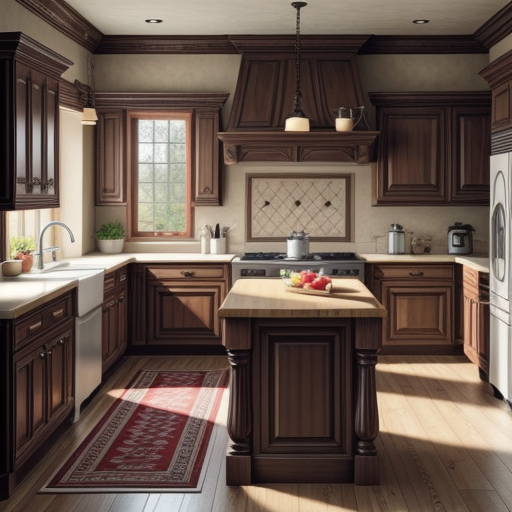
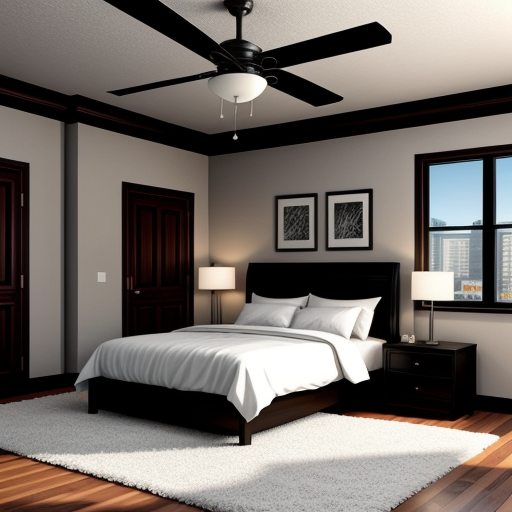
Renovating your home is an exciting yet challenging endeavor. One of the most crucial steps in this process is creating a realistic budget that aligns with your renovation goals. This guide will walk you through the essential elements to consider when budgeting for your home renovation, ensuring that you have a clear financial framework to guide your project.
-
Define Your Renovation Goals Begin by clarifying what you want to achieve with your renovation. Are you looking to modernize a kitchen, increase living space, or simply enhance the property’s value? Identifying your goals will help you decide which areas of the home to focus on and the overall scope of the project.
-
Research Costs Once your goals are set, research the costs associated with various renovation projects. Depending on your location, the average costs can vary significantly. Consult local contractors, use online cost estimators, and talk to friends or family who have recently completed similar projects. Understanding the price ranges will help you set realistic expectations for your budget.
-
Create a Detailed Budget Breakdown Your budget should reflect all aspects of the renovation. Break the total cost down into specific categories, including:
- Labor costs (contractors, architects, etc.)
- Materials (tiles, countertops, paint, etc.)
- Permits and inspections
- Contingency fund (10-20% of the total budget for unexpected expenses)
- Additional costs (furniture, décor, landscaping, etc.) This breakdown allows you to see where your money is going and can help you adjust your plans based on priorities.
-
Prioritize Your Spending Not all renovation aspects carry the same weight in terms of importance and value. Determine which elements are essential and which are nice-to-have. Focus your budget on critical areas that will enhance functionality or significantly increase property value while leaving room to address non-essential improvements later if funds allow.
-
Consider Financing Options Review potential financing options if your renovation exceeds your available funds. You might explore home equity loans, personal loans, or renovation-specific loans. Consult with a financial advisor to determine the best option that won’t strain your finances long-term.
-
Track Expenses As you move forward with the renovation, keep track of all expenses. Use spreadsheets or budgeting apps to monitor your spending against your budget. This will help ensure that you stay on track and can make informed decisions if adjustments are needed along the way.
In conclusion, creating a budget for your renovation is a vital step that can significantly influence the success of your project. By defining your goals, researching costs, creating a detailed breakdown, prioritizing spending, exploring financing options, and tracking expenses, you set the stage for a smooth renovation experience. Thus, you pave the way for a home that meets your needs and enhances its value effectively.