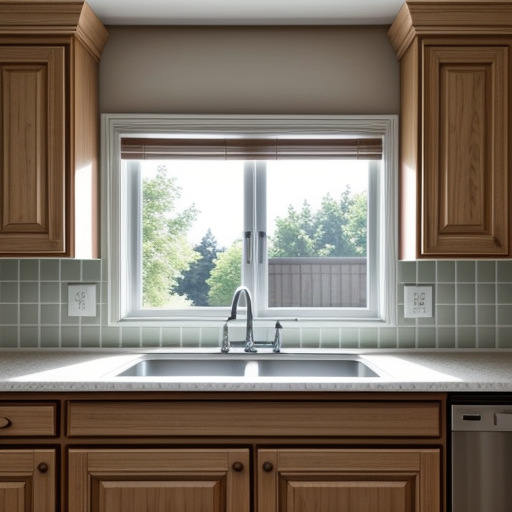
Flipping properties can be a lucrative venture for both seasoned investors and first-time home buyers looking to make a profit on real estate. In this guide, we will explore the essential steps and strategies needed to successfully flip properties while maximizing your return on investment.
Understanding the Property Flipping Process
The property flipping process typically involves purchasing a home, making necessary renovations, and then reselling it at a higher price. This strategy requires careful planning and a solid understanding of the real estate market. Start by researching local market trends to identify neighborhoods with potential for growth and properties that are undervalued or need cosmetic improvements.
Step 1: Secure Financing
Before diving into property flipping, securing the appropriate financing is essential. Traditional mortgages may not be the best option for quick flips, so explore alternative financing methods such as hard money loans or lines of credit. The key is to have your financing in place so you can act quickly when a desirable property appears on the market.
Step 2: Choose the Right Property
Not all properties are suitable for flipping. Look for homes with good bones but may need minor updates or aesthetic changes. Properties in desirable locations with strong resale potential are ideal. Pay close attention to the neighborhood's market conditions, schools, and amenities, as these factors can heavily influence property value.
Step 3: Conduct a Thorough Inspection
Before finalizing your purchase, conduct a comprehensive inspection to uncover any hidden issues that may impact renovation costs or timelines. Hiring a professional inspector can help identify problems such as plumbing, electrical, or foundational issues, allowing you to negotiate a better purchase price or reconsider the investment altogether.
Step 4: Budgeting and Renovation Planning
Once you’ve secured a property, it’s time to set a renovation budget. Establish a clear plan that prioritizes essential repairs while ensuring your updates will appeal to potential buyers. Common renovations include kitchen and bathroom upgrades, landscaping improvements, and fresh paint. Stick to your budget to avoid overspending that could erode your profit margins.
Step 5: Selling the Property
After renovations are complete, it’s time to put the property back on the market. Work with a knowledgeable real estate agent who understands your local market and can help you set a competitive listing price. Utilize professional photography and staging to prepare the home for showings, as a well-presented property can generate significant interest.
Final Thoughts
Flipping properties can be extremely rewarding, both financially and personally. However, success requires diligent planning, market knowledge, and an understanding of the renovation process. By following these steps, you'll be better equipped to navigate the complexities of property flipping and increase your chances of realizing substantial profits. Remember, the key to successful flipping lies in making informed decisions throughout each phase of the process.