Flipping houses has become an increasingly popular investment strategy for those looking to earn a profit in the real estate market. However, success in this venture requires more than just enthusiasm; it demands careful planning and execution. In this guide, we will outline the essential steps and best practices to ensure a profitable house flipping experience.
Understanding the Market
Before diving into house flipping, it’s crucial to conduct thorough research on your local real estate market. Analyze trends, pricing, and neighborhood dynamics. Understanding what buyers are looking for can significantly impact your design choices and the sale price of the property.
Choosing the Right Property
Not every property is suitable for flipping. Look for homes that require cosmetic upgrades rather than major structural repairs, as these can quickly eat into your budget. Distressed properties in desirable locations may offer the best profit potential, but always have a keen eye for properties that can be acquired at a price lower than the after-repair value (ARV).
Creating a Budget and an Investment Plan
Outline a detailed budget that includes acquisition costs, renovation expenses, and post-sale costs such as agent commissions and closing fees. Stick to your budget and plan for contingencies—unexpected expenses often arise during renovations.
Renovation Strategy
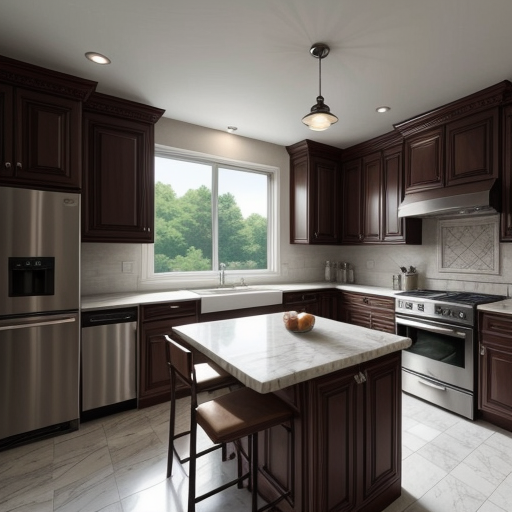
When it comes to renovations, focus on improvements that yield the highest return on investment. Kitchen and bathroom remodels typically provide the best value, so prioritize these areas. Cosmetic changes like painting and landscaping can also make a significant difference without breaking the bank. It is advisable to assess the cost vs. value for each planned upgrade.
Collaborating with Professionals
Engaging experienced contractors, real estate agents, and inspectors can streamline the process and hone your decision-making abilities. Make sure to vet each professional thoroughly; their inputs can greatly affect the success of your flipping project.
Marketing the Property
Once renovations are complete, effective marketing is key to a successful sale. Capture high-quality photographs and consider staging the home to appeal to prospective buyers. Utilize online listings and social media to reach a wider audience. Collaborating with a good real estate agent can help you set the right price and attract buyers quickly.
Timing the Sale
Consider the timing of your sale carefully. Listing during peak real estate seasons can help you achieve a better price. Stay informed on local market conditions and be prepared to adjust your strategy based on buyer demand.
Closing the Deal
Once you receive an offer, be prepared to negotiate. An experienced real estate agent can assist you in navigating offers to achieve the best possible outcome. Transparency during the negotiations can help build trust with potential buyers, leading to a smooth closing process.
In conclusion, flipping a house successfully requires a combination of market knowledge, strategic planning, and sound execution. By following these principles, you can not only minimize risks but also maximize your profits. With diligence and the right approach, house flipping can be a profitable endeavor worth pursuing.