In today’s environmentally-conscious world, increasing your home’s energy efficiency is not only beneficial for the planet but can also significantly reduce your utility bills and increase the comfort of your living space. Here, we explore practical strategies designed to enhance your home’s energy performance.
1. Conduct an Energy Audit
Start by assessing your current energy consumption with a home energy audit. This can either be a professional service or a DIY project using available online tools. An audit will help identify areas where energy losses are significant and prioritize upgrades accordingly.
2. Upgrade Insulation
Proper insulation is fundamental in maintaining a consistent indoor temperature. Upgrading your home insulation, particularly in attics, walls, and floors, can dramatically reduce heat loss during winter and heat gain during summer.
3. Seal Leaks and Drafts
Air leaks can drastically affect energy efficiency. Seal gaps around windows, doors, and in the attic using weatherstripping or caulk. This simple step can save up to 10-20% on your energy bills.
4. Invest in Energy-Efficient Windows
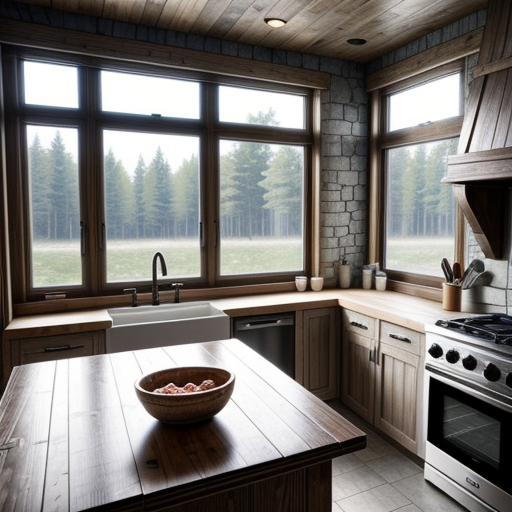
Consider replacing older windows with energy-efficient models. Double or triple-pane glass, equipped with low-emissivity (Low-E) coatings, can improve insulation. Alternatively, apply window films and install heavy curtains to boost efficiency.
5. Install a Programmable Thermostat
A programmable thermostat provides precise control over your home’s heating and cooling systems, allowing you to set temperatures according to your schedule. Optimizing your heating and cooling can lead to substantial savings.
6. Upgrade to Energy-Efficient Appliances
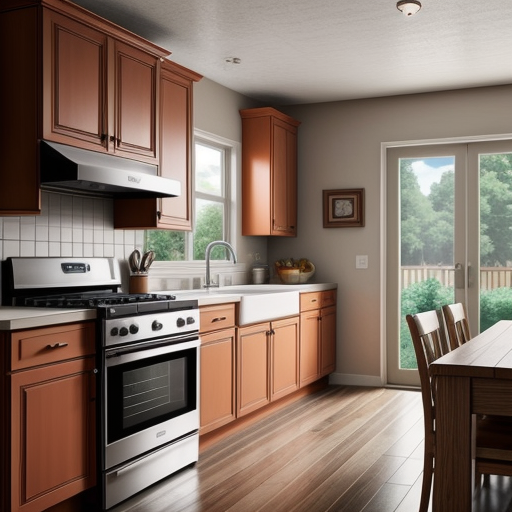
Older appliances consume more energy and tend to perform less efficiently. Replace them with Energy Star-rated appliances, specially designed to use less electricity and water without compromising performance.
7. Add Solar Panels
While initially a more substantial investment, solar panels can significantly decrease your reliance on non-renewable energy sources and offer long-term financial incentives through reduced energy bills and potential tax credits.
8. Optimize Lighting
Switch to LED lighting, known for their efficiency and long lifespan. Utilize natural light by keeping windows clean and using mirrors or reflective surfaces to amplify sunlight.
9. Maintain HVAC Systems
Regular maintenance of HVAC systems ensures they operate efficiently, prolongs their life, and avoids unnecessary energy waste. Change filters regularly and schedule annual professional check-ups.
10. Educate Household Members
Finally, make sure everyone in your household is aware of the energy-saving measures. Encourage practices that save energy, such as turning off lights when leaving a room and unplugging devices when not in use.
By implementing these strategies, you can significantly enhance the energy efficiency of your home, benefiting both the environment and your wallet. Whether you are planning to sell your home or simply wish to improve its sustainability, making these modifications can boost your property’s value in the ever-growing eco-conscious real estate market.