Achieving higher energy efficiency in your home not only contributes to a reduced carbon footprint but also helps in lowering your utility bills. As energy costs continue to rise, maximizing your home's efficiency has become more critical than ever. Here are several strategies that can help you enhance your home's energy efficiency effectively.
1. Upgrade Insulation
One of the most impactful changes you can make is upgrading your home’s insulation. By ensuring that walls, attics, and floors are well-insulated, you can significantly reduce heat loss in the winter and keep your home cooler in the summer. High-quality insulation limits the need for constant heating and cooling, thereby lowering your energy consumption.
2. Invest in Energy-Efficient Windows
Older windows can be a significant source of energy loss. Replacing them with energy-efficient models can prevent air leaks and improve insulation. Look for windows with a good Energy Star rating, as they are designed to enhance energy efficiency.
3. Install a Programmable Thermostat
A programmable thermostat enables you to control the heating and cooling of your home more efficiently. You can set it to lower the heat while you’re away and increase it right before you return, optimizing energy usage based on your schedule.
4. Upgrade Your Appliances
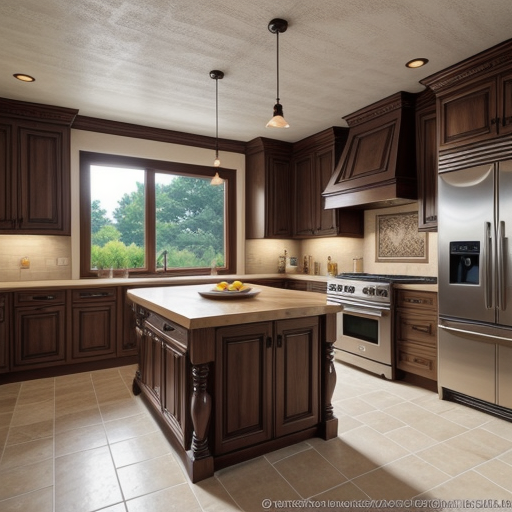
If your home has old appliances, consider upgrading to new models that offer better energy efficiency. Today's appliances often use less water and electricity, contributing to a smaller environmental footprint over time.
5. Seal Doors and Windows
Weatherstripping or caulking around doors and windows can go a long way in preventing drafts and reducing energy loss. These affordable solutions can make a noticeable difference in maintaining a comfortable temperature in your home.
6. Consider Solar Panels
If feasible, installing solar panels is a step towards self-sufficiency by harnessing renewable energy. While the initial investment might be substantial, the long-term savings and potential incentives can make solar panels a worthy investment.
7. Utilize Energy-Efficient Lighting
Switching to LED bulbs or other energy-efficient lighting options can drastically reduce lighting costs. These fixtures consume less electricity and last longer, providing both savings and sustainability.
In conclusion, increasing your home's energy efficiency is not just beneficial for the environment, but also for your wallet. By implementing these tips, you can create a more energy-resilient household, contributing to a broader effort in conserving energy and protecting the planet.