Flipping houses has become a popular venture for many aspiring real estate investors. The allure of buying a property, renovating it, and then reselling it for a profit is undoubtedly appealing. However, successfully flipping a house requires careful planning, strategic decision-making, and a clear understanding of the real estate market. In this guide, we will walk you through the essential steps to ensure your house-flipping venture is not only successful but also profitable.
First and foremost, conduct comprehensive market research. Familiarize yourself with the neighborhoods you’re considering for your flip. Look for areas with upcoming developments, good schools, and amenities that can boost property values. This knowledge will help you identify which properties have the best potential for a profitable flip.
Next, create a detailed budget that accounts for the purchase price, renovation costs, closing fees, and any unexpected expenses that may arise during the process. Sticking to your budget is crucial, as overspending can quickly eat into your profits. It's recommended to leave a buffer for contingencies, as renovations often come with surprises.
Once you've identified a suitable property and set up your budget, it’s time to make your purchase. When buying, consider properties that are structurally sound but may require cosmetic upgrades. Issues like outdated kitchens or bathrooms can often be resolved with minor renovations that yield significant returns.
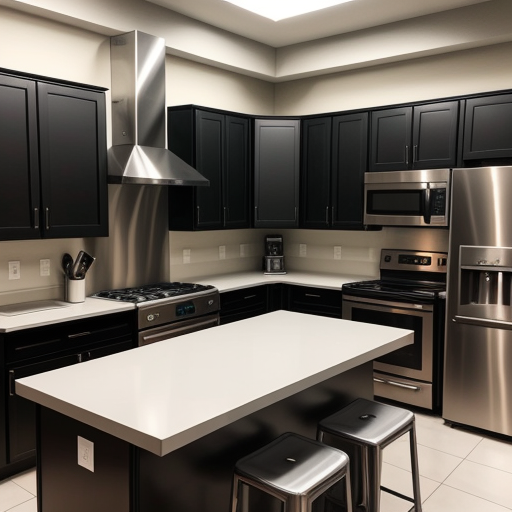
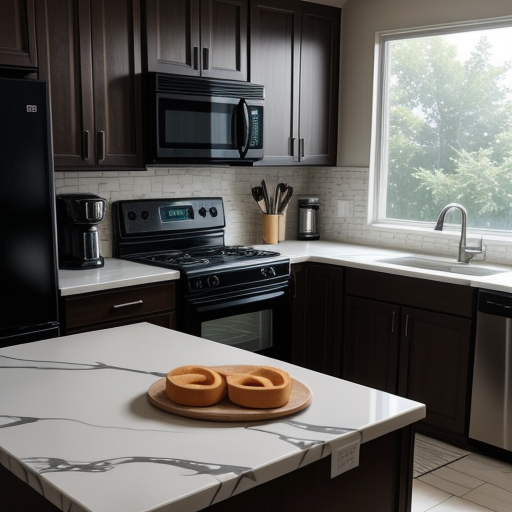
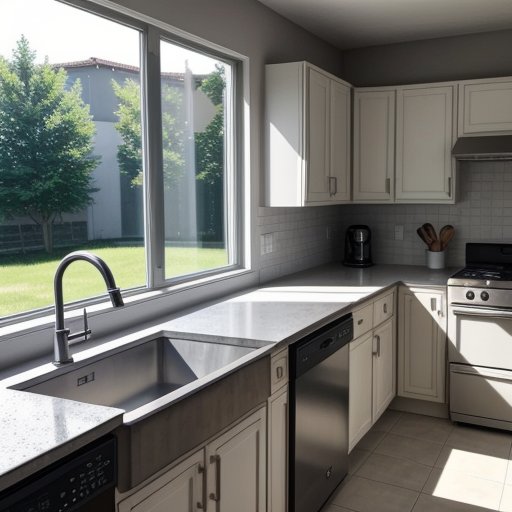
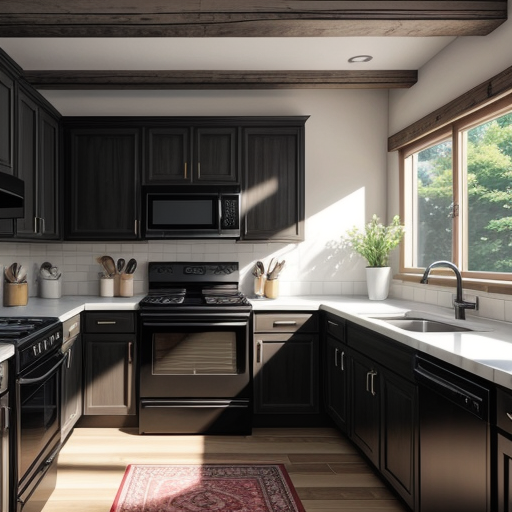
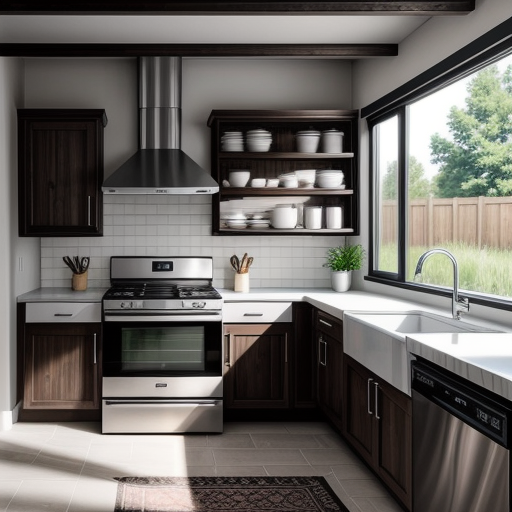
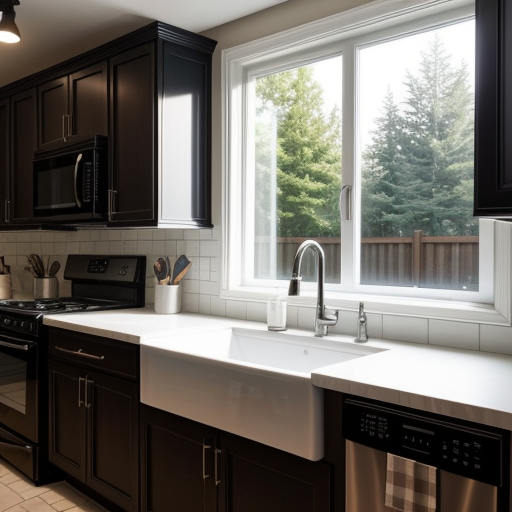
After purchasing the property, it’s time to dive into renovations. Prioritize updates that will add the most value, such as kitchen and bathroom remodels, improving curb appeal, and making energy-efficient upgrades. Hiring a reliable contractor can help ensure that renovations are completed on time and within budget, but it’s also wise to oversee the work being done.
Marketing your flipped property effectively is equally important. Once renovations are complete, professional staging can make a significant difference in attracting potential buyers. High-quality photos and a compelling listing description will showcase your property’s best features. Utilize social media platforms and real estate websites to maximize visibility and reach your target audience.
Lastly, be prepared to negotiate when offers come in. Potential buyers may request repairs or reductions in price, so be flexible and ready to respond accordingly. Having a good real estate agent can also help facilitate negotiations and close the deal at the best price.
In conclusion, while flipping houses can be a lucrative investment opportunity, it requires a thoughtful, informed approach. By conducting thorough research, budgeting wisely, making strategic renovations, and implementing effective marketing techniques, you can increase your chances of successfully flipping a house. Embrace the journey, learn from your experiences, and continue to refine your strategies for future endeavors.