When purchasing a home, understanding its potential resale value is crucial for ensuring a solid investment. Evaluating a home’s resale value involves analyzing various factors that influence how much a property may appreciate or depreciate over time. Here are key considerations to keep in mind when assessing a home's future resale potential.
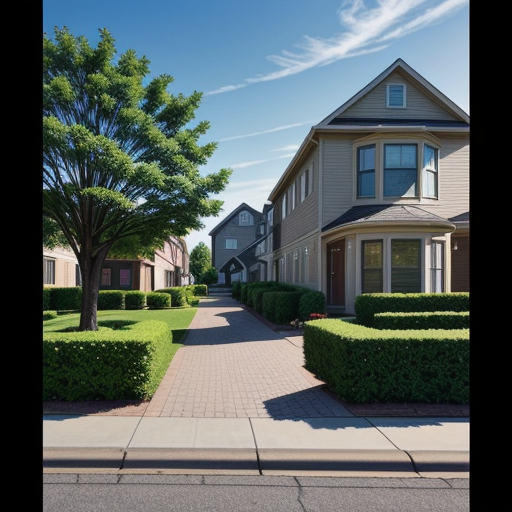
Location, Location, Location The adage 'location, location, location' holds true in real estate. A home's proximity to essential amenities, such as schools, shopping, and transportation, can significantly affect its appeal to future buyers. Homes situated in highly desirable neighborhoods often have higher resale values. Research local market trends and demographics to gauge the growth potential of the area.
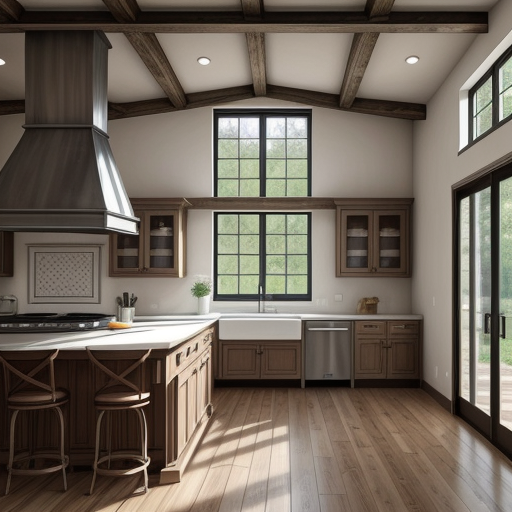
Condition of the Home The physical state of the property plays a vital role in determining its resale value. A well-maintained home with updated fixtures, modern appliances, and recent renovations is likely to attract higher offers than a property in need of extensive repairs. Consider investing in minor updates and proper maintenance before listing your home to maximize its market value.
Market Trends Stay informed about current housing market trends in your area. Analyzing factors such as average home prices, sales volume, and the average number of days homes remain on the market can provide valuable insights. A growing market with rising prices can indicate a favorable environment for resale, while a declining market may suggest potential challenges.
Comparable Sales Look at similar homes in the neighborhood that have sold recently. Comparable sales can provide a benchmark for establishing a competitive asking price. Pay attention to the selling price of these homes, and consider adjustments for differences in size, condition, and amenities. This data will help determine a reasonable expectation for resale value and guide your buying decisions.
Future Developments Anticipate any future developments in the area that could impact the home’s value. New schools, parks, transportation options, or commercial centers can improve desirability and increase resale potential. Conversely, potential developments that may reduce neighborhood appeal should also be taken into account.
Economic Factors Lastly, stay informed about broader economic conditions, as these can influence real estate values. Factor in interest rates, employment rates, and the overall economic health of the region. A strong economy can bolster home prices, while economic downturns may adversely affect market conditions.
In summary, evaluating a home’s resale value involves careful consideration of its location, condition, market trends, comparables, future developments, and economic factors. By taking the time to assess these elements, home buyers can make informed decisions and secure a property with promising resale potential. Whether you are flipping a house or looking for your forever home, understanding how to evaluate resale value is essential for a positive real estate investment experience.