In recent years, sustainability has become a central theme in many industries, and the real estate market is no exception. As both buyers and sellers increasingly prioritize eco-friendly practices and energy-efficient features, the impact of sustainability on property values cannot be overstated. This article explores the various ways in which sustainable practices influence the value of real estate and why they are becoming essential in today’s market.
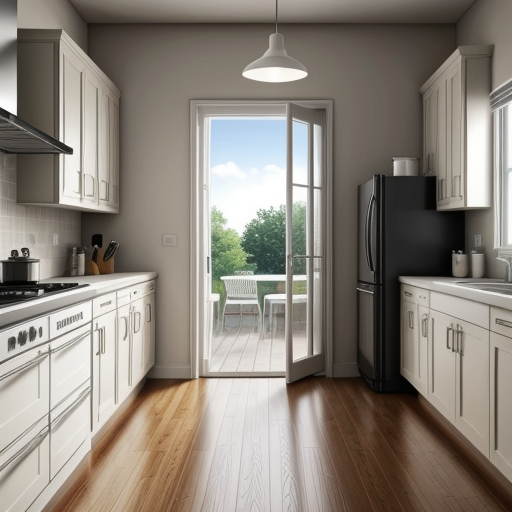
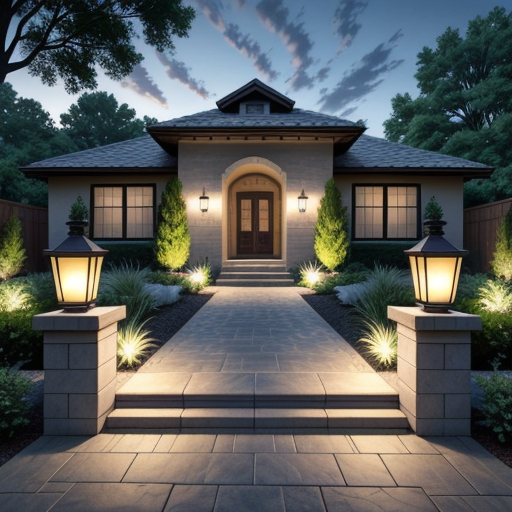
One key aspect of sustainability that enhances property value is energy efficiency. Homes equipped with energy-efficient windows, appliances, and HVAC systems generally require less energy for heating and cooling, translating to cost savings on utility bills. Homebuyers are often willing to pay a premium for these features, knowing they will enjoy reduced monthly expenses. Real estate agents can leverage these improvements to market homes more effectively, highlighting their long-term economic benefits.
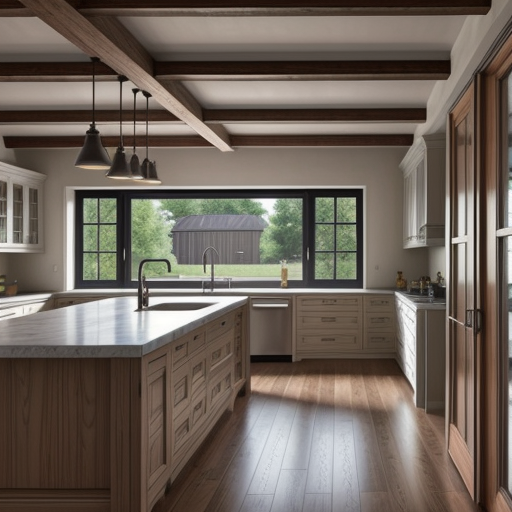
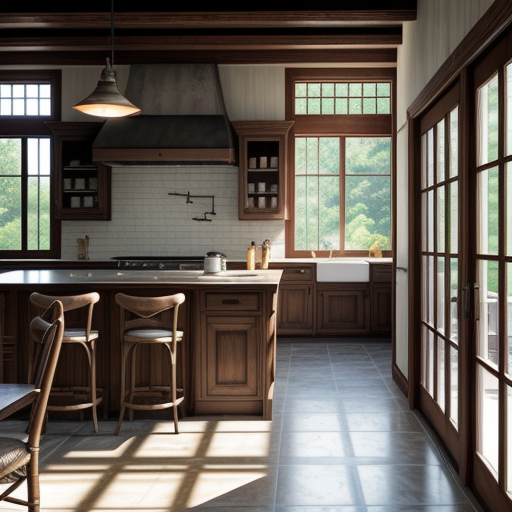
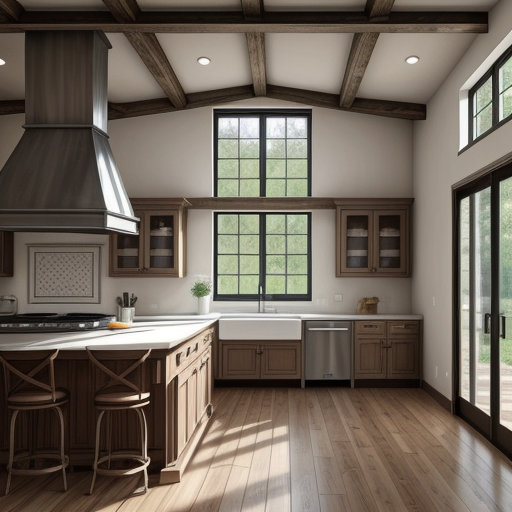
In addition to energy efficiency, the demand for sustainable building materials plays a significant role in shaping property values. As awareness about environmental impact grows, many buyers prefer homes built with sustainable materials, such as reclaimed wood or recycled steel. Properties constructed with these materials not only appeal to eco-conscious buyers but can also experience less depreciation over time compared to those built with conventional materials.
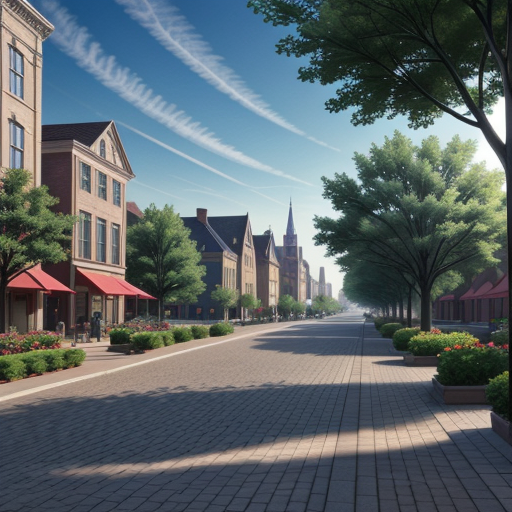
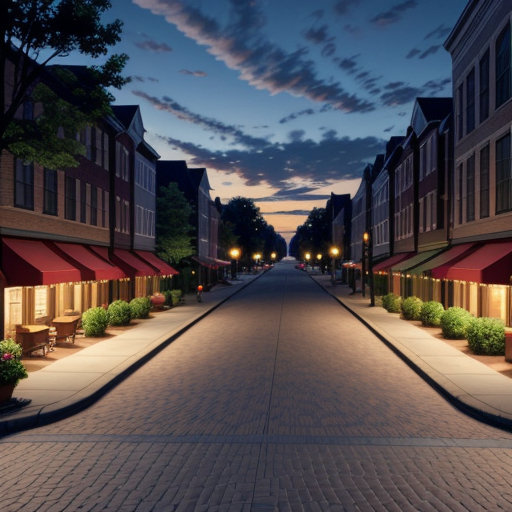
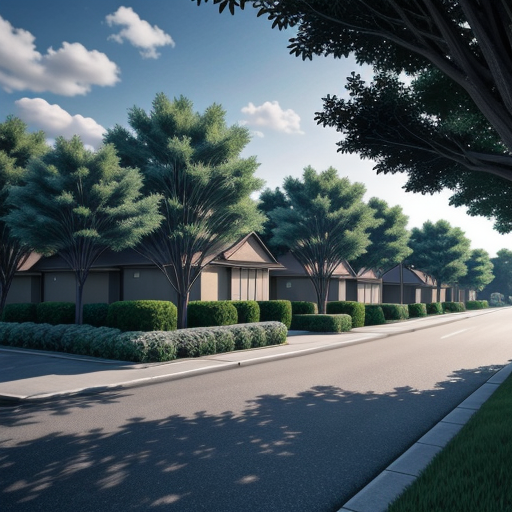
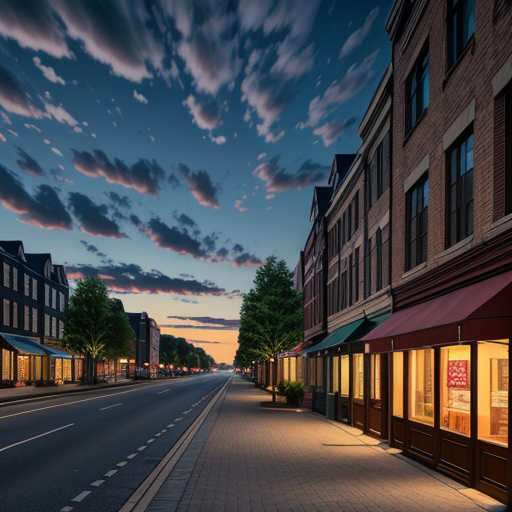
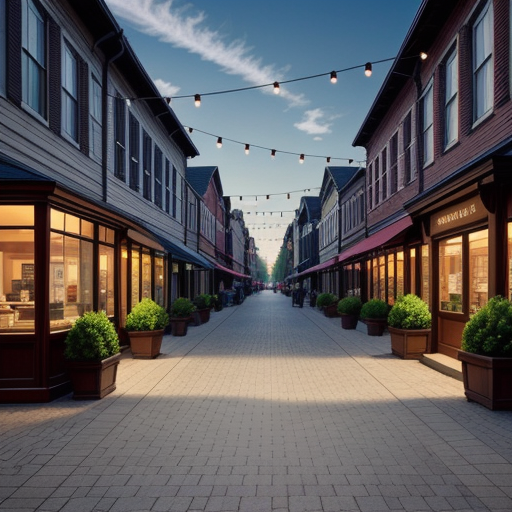
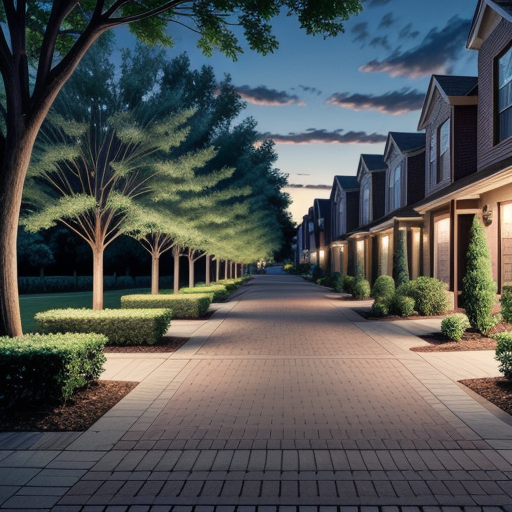
Moreover, the location and surrounding environment also impact the valuation of sustainable properties. Urban areas that prioritize green spaces, walkability, and access to public transport tend to see a rise in property values. Buyers are increasingly looking for homes that are not only energy-efficient but also located in communities that promote a sustainable lifestyle. Real estate investors are now recognizing this trend and are more inclined to invest in neighborhoods that emphasize sustainability.
Furthermore, governmental incentives and regulations surrounding sustainability can significantly influence property values. Many local and state governments offer tax credits or rebates for energy-efficient upgrades. A home that complies with these regulations and takes advantage of such incentives is more attractive to potential buyers, thereby enhancing its market value.
Lastly, branding plays an important role in the sustained rise of eco-consciousness. Real estate developments that actively promote their green initiatives often enjoy a competitive edge. Buyers today are not just looking for a house; they want a lifestyle that aligns with their values. Properties marketed as being sustainable tend to attract buyers who are willing to invest more for a home that align with their beliefs and ethics.
In conclusion, the impact of sustainability on property values is multi-faceted, encompassing economic, environmental, and social factors. As the real estate landscape continues to evolve, homes that prioritize sustainability are likely to enjoy higher demand and increased property values. For real estate agents, understanding these trends is crucial to effectively advising clients and maximizing their investments in the ever-growing eco-conscious market.