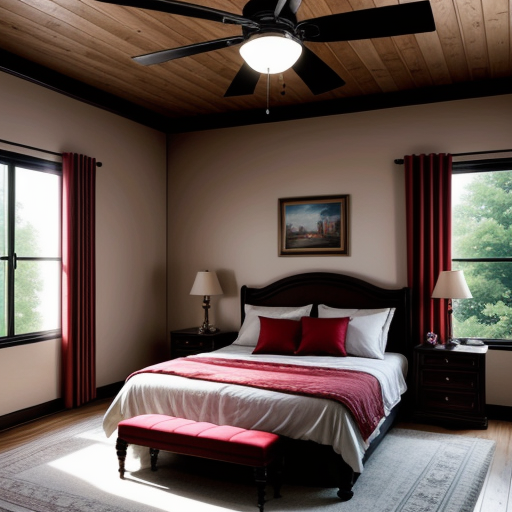
Purchasing a vacation home is an exciting venture, yet it comes with its own set of obligations. One of the critical considerations is understanding vacation home insurance. This step is essential to protect your investment and ensure peace of mind. While vacation properties bring joy and an escape from daily routines, they also pose unique risks, such as potential damage from natural events or theft when the property is unoccupied for extended periods.
First, it is vital to recognize that standard homeowner's insurance for your primary residence typically does not extend to a vacation home. As such, acquiring a separate policy tailored to the specific needs of a secondary residence is crucial. These policies often cover the structure itself, personal property within the home, and liability in the event of injuries on the property.
When searching for vacation home insurance, several factors should be considered to ensure comprehensive coverage. One key element is the property's location, which can influence the cost and availability of insurance. Homes in areas prone to natural disasters, such as hurricanes or wildfires, may require additional coverage or have higher premiums. Additionally, insurers will consider the duration and frequency of the property being vacant, as homes left unattended for long periods are at greater risk for damage or burglary.
Another aspect to consider is whether the vacation home will be rented out to others. If you plan to use your property as a rental, it is imperative to understand that short-term rentals typically necessitate different coverage. This may include loss of rental income or specific liabilities connected to having paying guests. It is advisable to communicate openly with insurance providers about rental plans to secure appropriate coverage.
To reduce insurance costs, homeowners can take proactive steps to minimize risk. Installing a reliable security system, using smart sensors to monitor for leaks or fires, and maintaining the home diligently can all contribute to lowering premiums.
Finally, consulting with an insurance agent experienced in vacation properties is recommended to discuss your specific needs and options. This ensures that you receive personalized advice and all-encompassing coverage for your vacation home.
In summary, securing vacation home insurance is paramount for safeguarding your cherished getaway against unforeseen events. By understanding the intricacies of vacation property coverage, you can enjoy your retreat with the assurance that it is well protected.