As urban landscapes continuously evolve, new developments play a pivotal role in shaping real estate markets. Understanding how these projects impact home values is crucial for homebuyers and investors alike.
A key factor in this dynamic is location. New developments often lead to improved infrastructure, such as roads, public transport, and amenities, which can increase the desirability of an area. As convenience and accessibility improve, demand for properties may rise, subsequently driving up home prices.
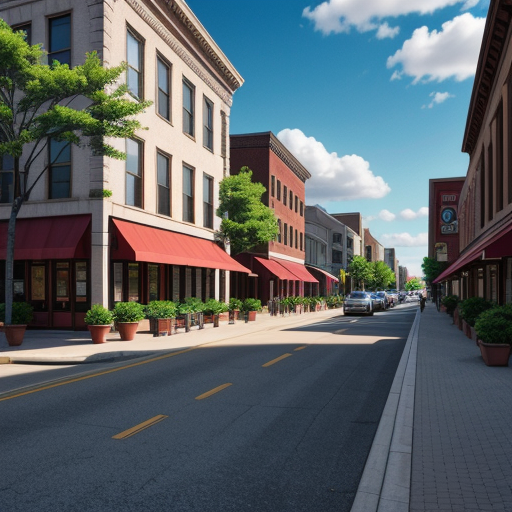
Moreover, the introduction of new residential or commercial complexes often attracts businesses and retail operations, further enhancing an area’s appeal. This influx can lead to economic growth and job creation, positively affecting the local real estate market. Buyers may perceive these areas as up-and-coming, potentially leading to a competitive housing market that can inflate home values.
Another significant consideration is the supply of new houses or apartments introduced by a development. While additional supply can sometimes temper price growth, if demand remains strong, this new inventory can instead serve to stabilize prices, offering more options to homebuyers without drastically deflating the market.
However, not all impacts are beneficial. Occasionally, large-scale developments can lead to concerns about overpopulation, increased traffic, or strain on resources, which may negatively affect property values. Thorough research and understanding regional plans can help in evaluating these risks.
In conclusion, new developments have the potential to substantially influence home values, offering both opportunities and challenges. Buyers and investors should carefully consider location, infrastructure improvements, and the potential for economic growth when assessing the impact of such developments on property prices.