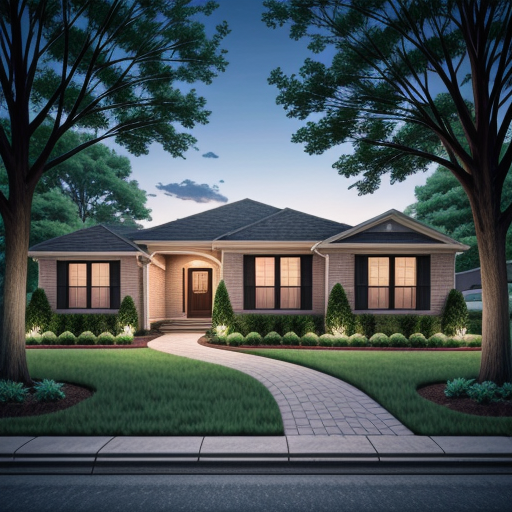
The growing awareness of environmental sustainability has led many homebuyers to seek ways to make their homes less harmful to the planet. Designing an eco-friendly home not only helps preserve natural resources but also offers financial benefits through energy savings. Here are some strategies that can help in creating a sustainable home design.
1. Incorporate Energy-Efficient Appliances: Investing in energy-efficient appliances is a vital step toward sustainability. Look for the Energy Star label when purchasing refrigerators, washing machines, and other household devices to ensure reduced energy consumption.
2. Optimize Insulation and Ventilation: Proper insulation maintains a home’s temperature, cutting down on the need for heating and cooling. Consider using sustainable materials like recycled denim or sheep's wool for insulation. Furthermore, efficient ventilation systems improve air quality and can drastically reduce energy costs.
3. Use Renewable Energy Sources: Harnessing renewable energy can significantly decrease a home's carbon footprint. Solar panels are a popular option, providing a sustainable and cost-effective energy source. Wind turbines and geothermal systems are alternative renewable options worth considering depending on your location.
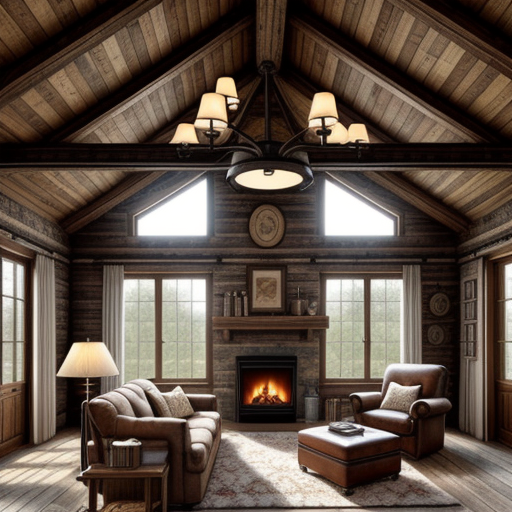
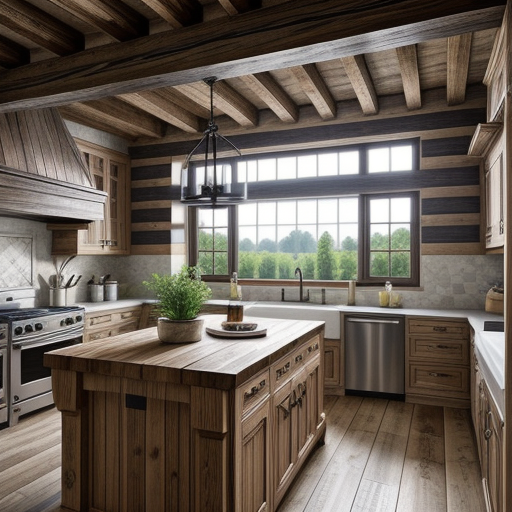
4. Choose Sustainable Building Materials: Selecting sustainable materials such as bamboo flooring, reclaimed wood, or recycled steel can greatly impact the environmental footprint of your home. These materials are not only durable but also reduce the demand for new resources.
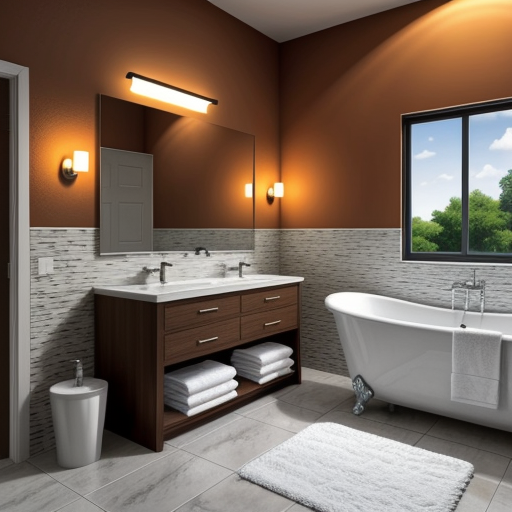
5. Implement Water Conservation Measures: Fixtures like low-flow toilets and showerheads can greatly reduce water usage. Installing a rainwater harvesting system can also provide an eco-friendly source of water for lawns and gardens.
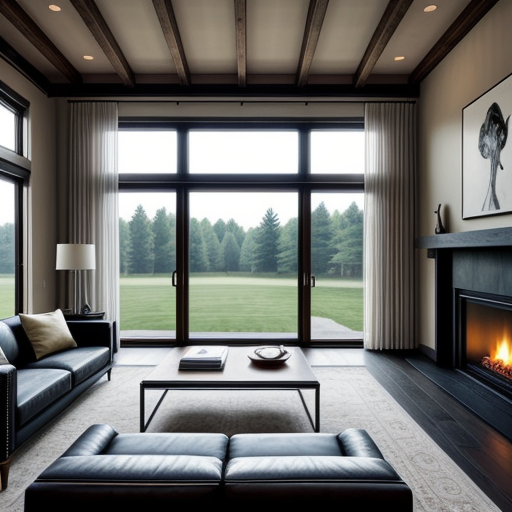
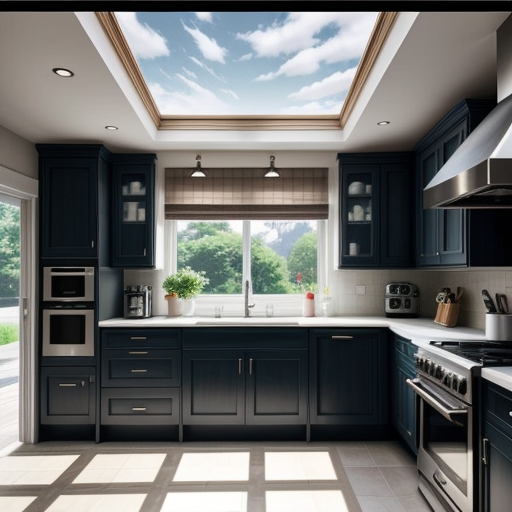
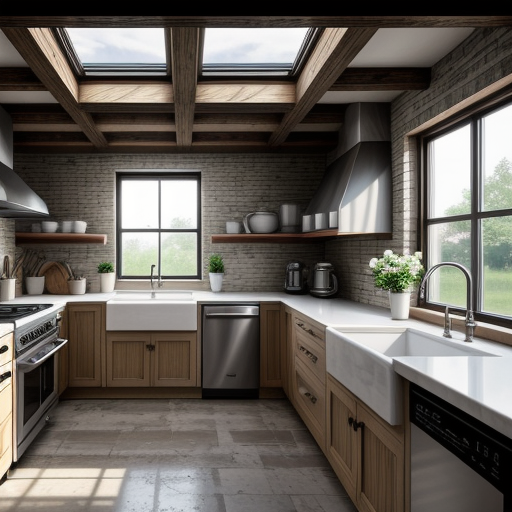
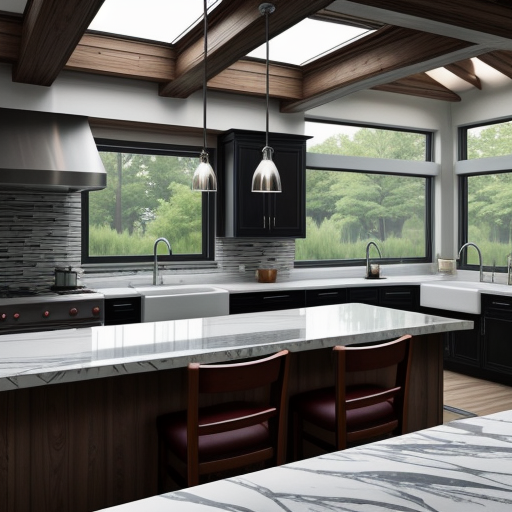
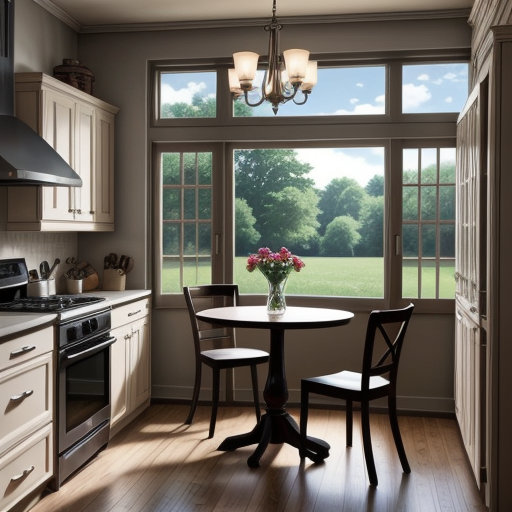
6. Design with Natural Lighting in Mind: Maximizing natural light in your home can minimize the need for artificial lighting. Incorporate larger windows, skylights, or solar tubes to allow more daylight in.
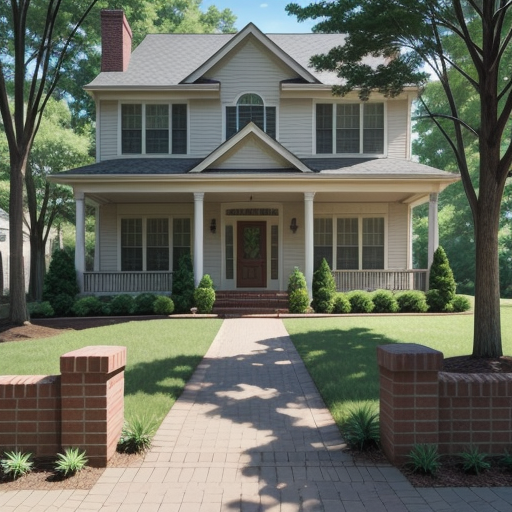
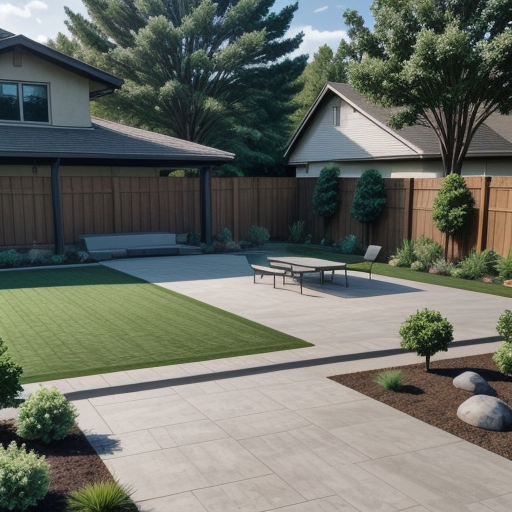
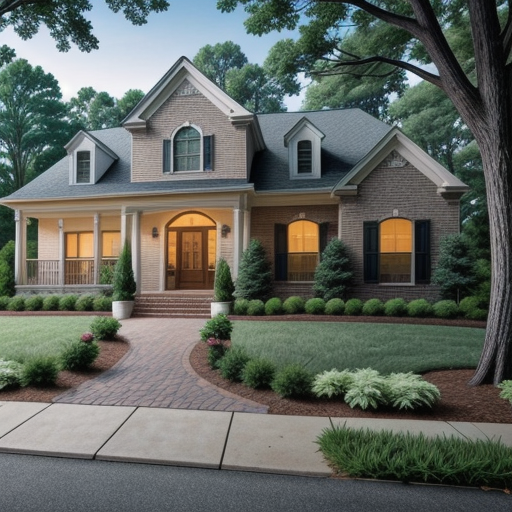
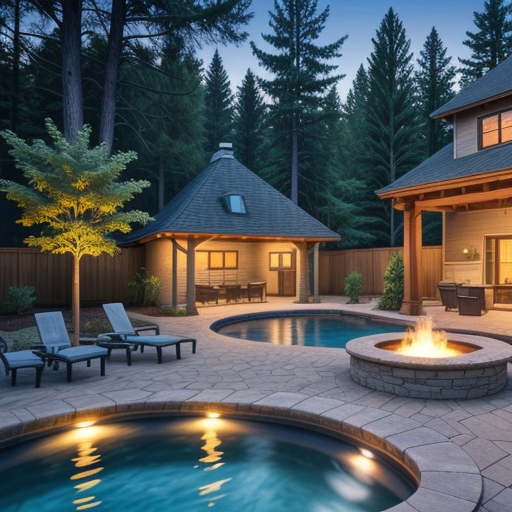
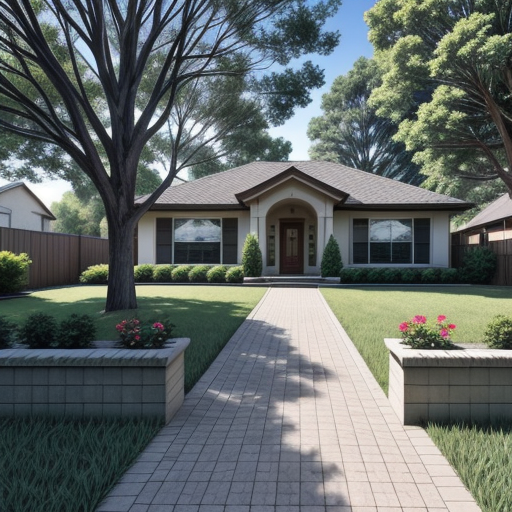
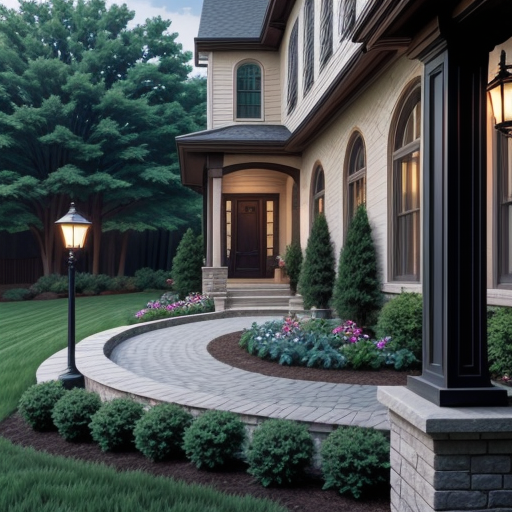
7. Landscaping for Efficiency: Landscaping with native plants reduces the need for water, fertilizers, and maintenance. Additionally, strategic planting of trees and shrubs can provide natural shade and windbreak, contributing to energy savings.
8. Reduce Waste with Smart Home Design: Design your home to promote waste reduction by incorporating recycling centers and compost systems. Choosing durable, long-lasting materials can also lessen the frequency of repairs and replacements.
By considering these strategies, you can design a home that not only suits your lifestyle but also aligns with sustainability principles. This approach will not only conserve resources but also enhance your home's long-term value and reduce overall living costs.