In today’s world, energy efficiency has become a key concern for homeowners. Whether you are looking to reduce utility bills, lessen your environmental impact, or simply increase the comfort of your home, making your dwelling more energy-efficient is a worthwhile endeavor. Here are several practical tips to consider.
First and foremost, start with your home’s insulation. Proper insulation is essential for regulating temperature and minimizing heating and cooling costs. Inspect areas such as the attic, walls, and floors for gaps or inadequate insulation. Upgrading insulation can lead to significant savings over time and improve the overall comfort of your home.
Next, consider energy-efficient windows. Old, drafty windows can be a major source of heat loss in winter and heat gain in summer. Replacing them with double or triple-paned, energy-rated windows can dramatically increase your home’s efficiency. Additionally, applying window films or installing shades can help control heat transfer, further enhancing energy efficiency.
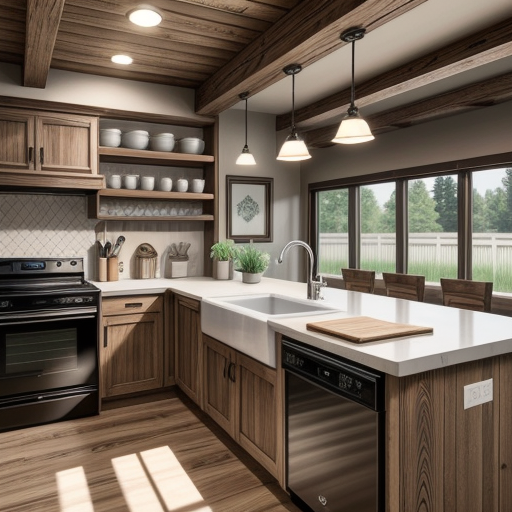
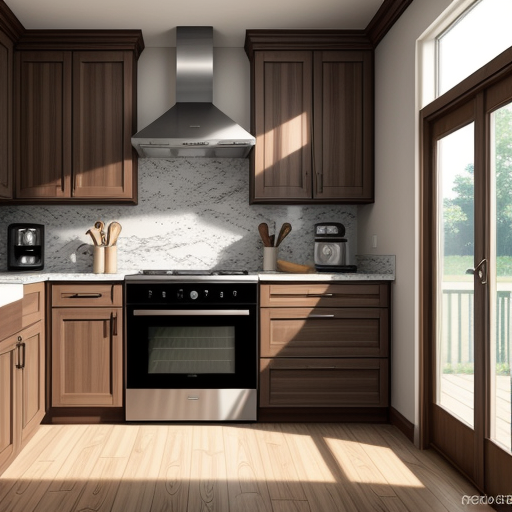
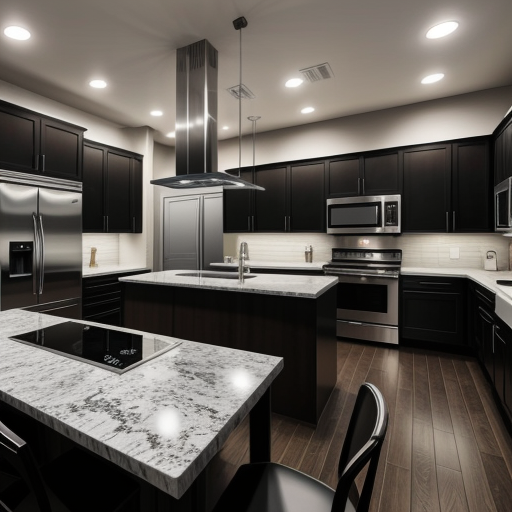
Investing in energy-efficient appliances is another key step. When it’s time to replace appliances, look for those that have the ENERGY STAR label, as these products consume less energy and water without compromising performance. While the initial investment may be higher, the long-term savings on utility bills can offset the upfront costs.
Moreover, consider upgrading your heating and cooling systems. A programmable thermostat allows you to set heating and cooling schedules that align with your lifestyle, saving energy when you are not home. Regular maintenance on your HVAC system, such as changing filters and performing routine checks, also enhances efficiency.
Don’t overlook the power of renewable energy sources. If possible, consider installing solar panels on your roof. Not only can solar energy reduce your reliance on the grid, but it can also provide significant savings on electricity bills over time. Many states offer incentives and rebates to help offset the cost of installation.
Lastly, be conscious of your energy consumption habits. Simple changes, such as turning off lights when not in use, unplugging devices, or using energy-efficient LED bulbs, can make a considerable difference in energy savings.
In conclusion, making your home more energy-efficient benefits both your wallet and the environment. By investing in insulation, energy-efficient windows and appliances, upgrading heating and cooling systems, considering renewable energy, and adopting mindful consumption habits, you can create a comfortable, cost-effective, and eco-friendly home. Start implementing these tips today and experience the positive impact of an energy-efficient lifestyle.