The Passive House Standard, known globally for its robust energy efficiency principles, is revolutionizing the way we design and construct residential properties. By understanding these standards, prospective homeowners can make informed decisions about environmentally conscious living. Passive House principles focus on creating buildings that maintain comfortable temperatures year-round while minimizing energy use. This is accomplished through a combination of superior insulation, airtight construction, and high-performance windows, among other elements.
One of the cornerstones of Passive House standards is unparalleled insulation. These homes boast insulation levels that far exceed traditional building codes, ensuring minimal heat loss during winter and reducing the need for air conditioning in the summer. By doing so, energy consumption is significantly minimized, resulting in lower utility bills and a smaller carbon footprint.
Another critical aspect is the emphasis on airtight construction. Passive Houses are sealed meticulously to prevent any unintended air leaks, which could compromise thermal comfort and increase energy demand. This airtight nature requires thoughtful ventilation solutions. As such, Passive Houses incorporate mechanical ventilation systems with heat recovery, ensuring that fresh air is continuously circulated without unnecessary energy loss.
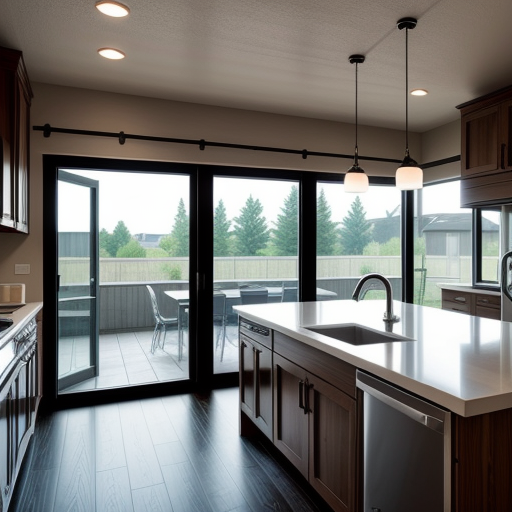
Windows in passive houses are designed with precision. High-performance windows equipped with triple-pane glass and specialized coatings are standard. These windows play a crucial role in controlling solar gain and maintaining internal temperatures, complementing other structural efficiencies.
Lastly, strategic design elements are employed, such as building orientation and shading, which harness natural energy sources to stabilize indoor temperatures. These elements are carefully considered during the planning phase to maximize energy efficiency.
For real estate professionals, understanding Passive House Standards is pivotal in advising clients interested in sustainable living. By integrating these principles, homeowners benefit not only from reduced energy expenses but also from increased comfort, quieter indoor environments, and a substantial contribution to environmental preservation.