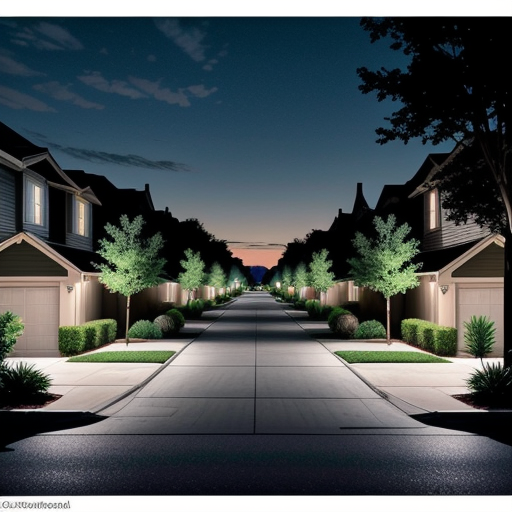
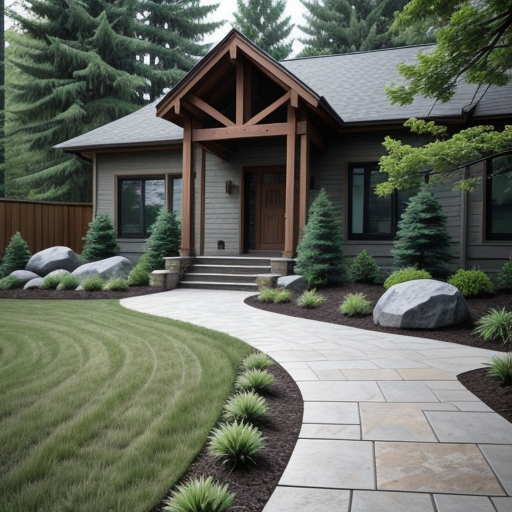
In today's real estate market, sustainability is becoming an increasingly important consideration for homebuyers and developers alike. One prominent badge of environmental responsibility is LEED certification. The Leadership in Energy and Environmental Design (LEED) program, developed by the U.S. Green Building Council (USGBC), aims to promote sustainable building practices. This article will provide an in-depth understanding of LEED certification, its benefits, and how it influences the real estate market.
What is LEED Certification?
LEED certification is a green building rating system that recognizes structures designed to be environmentally friendly and energy-efficient. Buildings are evaluated in several categories, including sustainable site development, water conservation, energy efficiency, materials selection, and indoor environmental quality. LEED-certified buildings can achieve four different levels of certification: Certified, Silver, Gold, and Platinum, based on the number of points earned in these categories.
The Benefits of LEED Certification
Investing in a LEED-certified property can have multiple advantages. First and foremost is the potential for operational cost savings. LEED buildings are often more energy-efficient, resulting in lower utility bills and ongoing operational costs. Additionally, these properties may have higher resale values. Research shows that homes with green certifications often command a premium price in the market.
Another significant benefit is the positive impact on the environment. LEED-certified buildings contribute to reducing carbon footprints, conserving water, and managing waste effectively. This commitment to sustainability resonates well with environmentally conscious buyers, making LEED certifications a selling point.
The LEED Certification Process
Obtaining LEED certification involves several steps, starting with the decision on the level of certification sought. The project team must create a LEED application through the USGBC, demonstrating how the building meets various sustainability criteria. After submitting the application, the USGBC reviews it and determines the number of points the project achieves, ultimately awarding the appropriate certification level.
Why Buyers Should Prioritize LEED Certifications
As a prospective homebuyer, seeking out LEED-certified properties can be beneficial. Not only do these homes often feature modern and innovative designs, but they are also built with long-term sustainability in mind. This focus on eco-friendliness may result in healthier living environments, thanks to improved indoor air quality and the use of non-toxic building materials.
Conclusion
In conclusion, understanding LEED certification is essential for anyone navigating the current real estate market. As sustainability becomes more critical to buyers and investors alike, LEED-certified buildings offer both practical benefits and a commitment to environmental stewardship. Whether you are a homebuyer, builder, or agent, being informed about LEED certification can enhance your knowledge and approach toward real estate transactions, ensuring a more sustainable future for all.